
Castles in Switzerland
Guide to castles in Switzerland: iconic castles, architectural styles, castle tourism, pricing insights, and what to know before buying historic property.
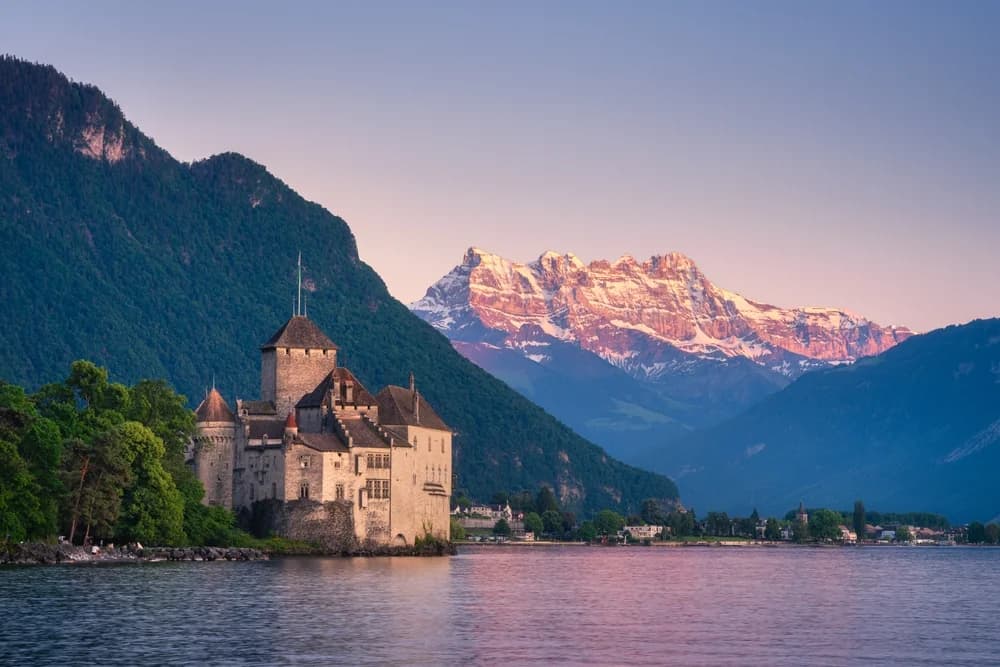
The history of castles in Switzerland dates back to the early Middle Ages, roughly between the 10th and 13th centuries, when regional lords, bishops, monasteries, and imperial authorities built fortified residences to assert power, control territory, and protect vital trade routes. Switzerland’s unique geography, dominated by the Alps, deep valleys, lakes, and narrow passes, made it a natural crossroads for commerce and military movement between northern and southern Europe. As a result, castles were strategically positioned along mountain passes such as the Gotthard, Simplon, and Great St. Bernard, as well as along rivers like the Rhine,
These properties are found across all regions of the country, each offering a distinct architectural style, historical background, and landscape setting. In the German-speaking cantons, particularly in Aargau, Zurich, Thurgau, St. Gallen, and Schaffhausen, castles often rise above rolling hills, vineyards, and river valleys, reflecting the feudal networks of the Holy Roman Empire. The Aargau region, in particular, is known as the “castle canton,” boasting one of the highest densities of castles in Switzerland, including hilltop fortresses, riverside strongholds, and noble estates.
In the French-speaking regions, especially in Vaud, Valais, Fribourg, and Neuchâtel, castles often take the form of elegant lakeside châteaux or vineyard estates overlooking Lake Geneva, Lake Neuchâtel, and the Rhône Valley. These castles reflect strong influences from French medieval and Renaissance architecture, with symmetrical facades, refined interiors, and landscaped grounds.
In the Italian-speaking canton of Ticino, Swiss castles display a distinctive Mediterranean character, shaped by Lombard architectural traditions and southern European influences. The most famous examples are the castles of Bellinzona which together form a UNESCO World Heritage Site. These fortresses once guarded one of the most important north-south Alpine routes and remain among the best-preserved medieval castle complexes in Europe.
Many Swiss castles have been carefully restored and adapted for modern living, hospitality, cultural use, or private ownership, while preserving their historical integrity and architectural character. They offer buyers a rare opportunity to own a tangible piece of European history, combined with the stability, security, and quality of life for which Switzerland is renowned.
In this article, readers will discover some of the most iconic castles in Switzerland, explore the different architectural styles found across the country, and gain a clear understanding of how the Swiss castle market works today, including availability, pricing trends, and what to expect when purchasing a historic property in Switzerland.
How Many Castles are in Switzerland?
Switzerland is extraordinarily rich in fortified buildings, estates, palaces, and historic residences, and this reflects centuries of local power struggles, strategic defense needs and diverse architectural evolution. Some heritage lists and travel guides note that there are about 500 castles and fortified locations listed as heritage sites across the country, spanning from simple fortifications to sprawling castle complexes.
The reason for this wide range in numbers lies in Switzerland’s complex history and varied regional landscape. For centuries the territory that became Switzerland was not a unified kingdom but a patchwork of feudal domains, city-state authorities, bishoprics and noble families, each of which built its own fortified residence or defensive structure in response to local security needs and political rivalries. These structures ranged from large military fortresses and hilltop keeps to smaller manor houses with defensive features, and many were built along key trade routes, mountain passes, rivers and lakeshores to protect and control commerce and territory.
Over time, as warfare evolved and the strategic role of castles diminished, many of these buildings were repurposed, expanded or transformed into palaces, government buildings, museums or even private homes. The continued preservation and listing of these sites in cultural inventories means that Switzerland today still counts hundreds of historic castle-type structures. This deep historical layering is part of what makes Swiss castles appealing not just for visitors, but also for buyers interested in iconic heritage properties with stories that stretch back through the ages.
Famous Castles in Switzerland
Switzerland is home to some of the most breathtaking and historically significant castles in Europe, each telling a unique story of power, defense, culture, and transformation. These castles represent some of the richest architectural and historical highlights of Switzerland, reflecting centuries of cultural heritage.
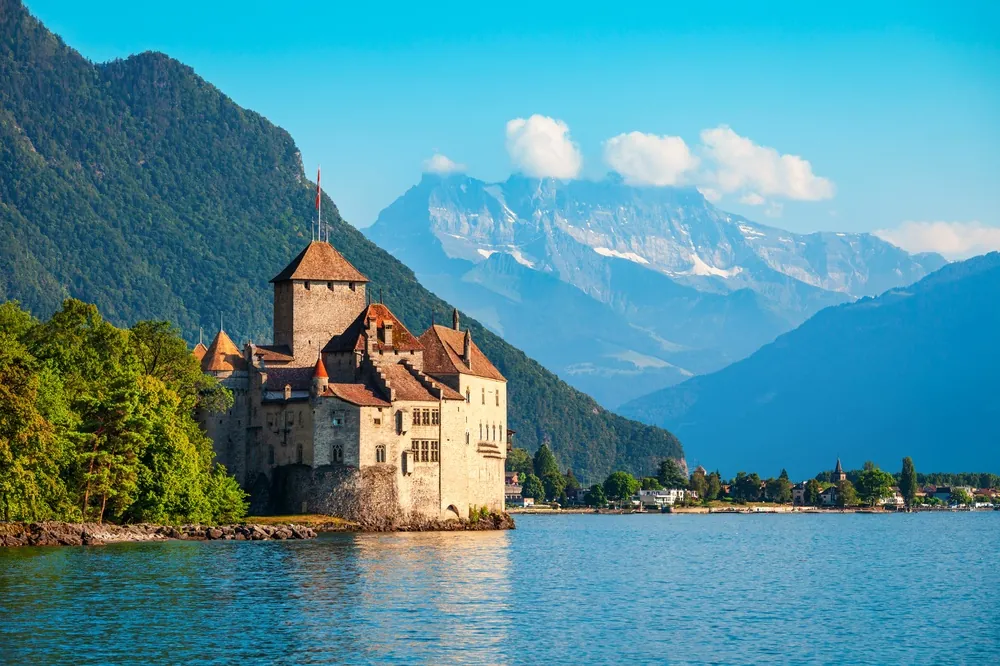
1. - Montreux, Canton of Vaud
2. The Castles of Bellinzona - Ticino
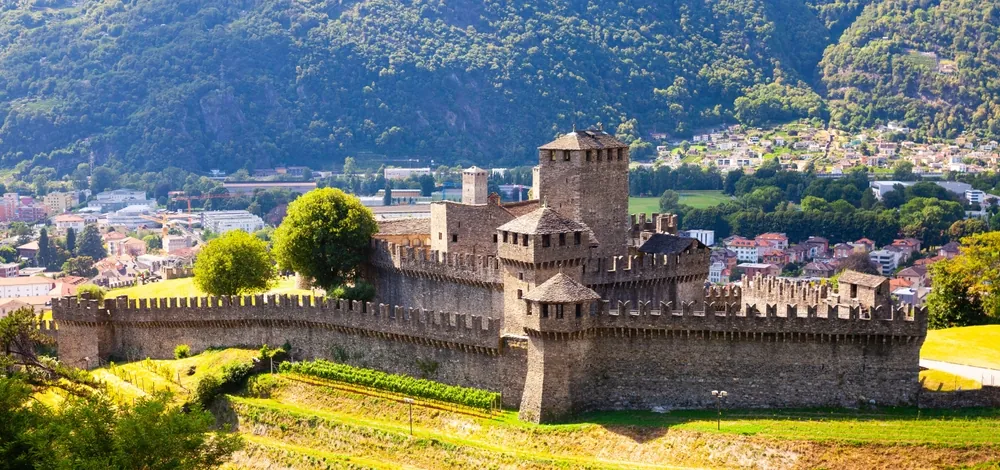
Castelgrande dominates the valley from a rocky peak, with its museums and ramparts offering panoramic views. Montebello connects to the town walls and contains exhibitions on local history, while Sasso Corbaro, perched on a promontory, provides a more secluded and intimate glimpse into medieval castle construction and defense strategy. These fortresses once controlled the strategic Alpine passes and now are open for public exploration, guided tours, and cultural exhibitions year-round, with seasonal visiting details varying by castle.
3. Gruyères Castle - Château de Gruyères, Canton of Fribourg
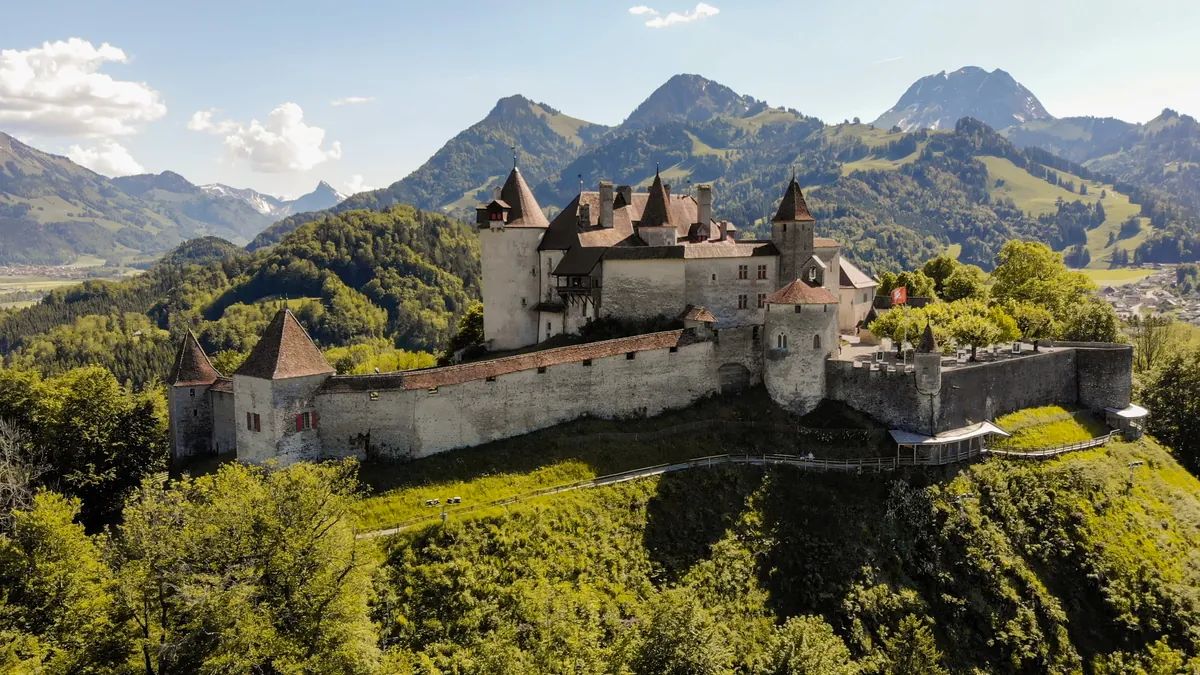
Today, the castle is a museum featuring historic interiors, collections of medieval art and artifacts, and exhibits on regional history, drawing visitors from around the world not only for its architecture but also for the cultural life of the town and surrounding cheese-producing region.
4. Lenzburg Castle - Canton of Aargau
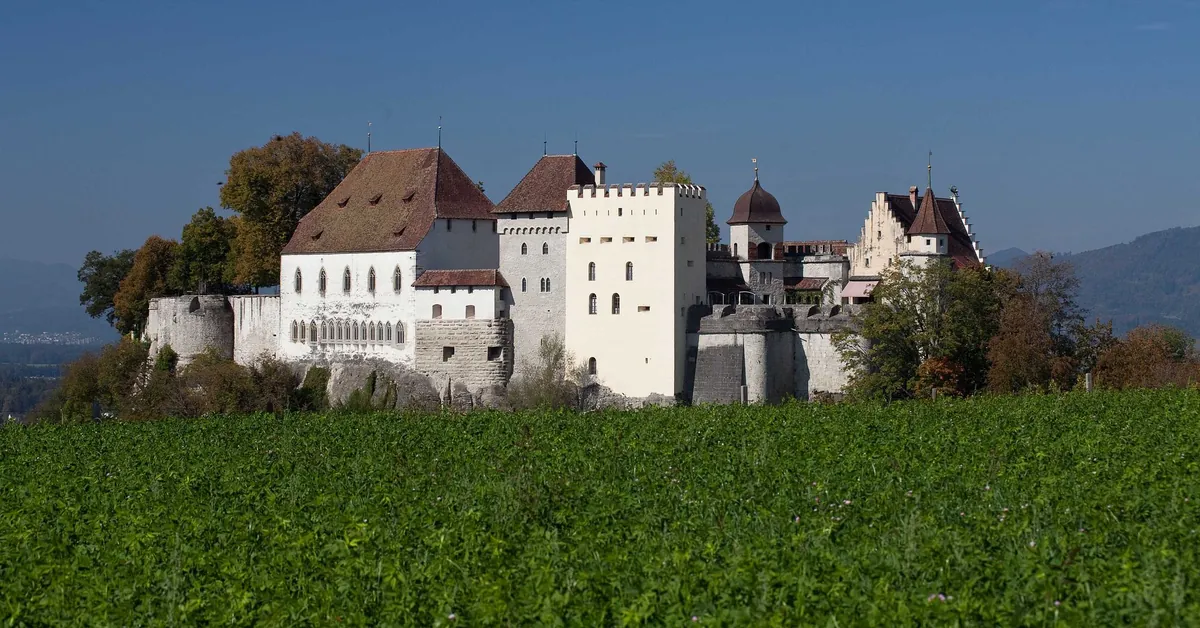
The castle is open to the public as a cultural and historical museum, with exhibitions, guided tours, and activities that let visitors experience life in a medieval stronghold, from the knight’s halls to prison chambers, gardens, and events.
5. Rapperswil Castle - Canton of Zurich
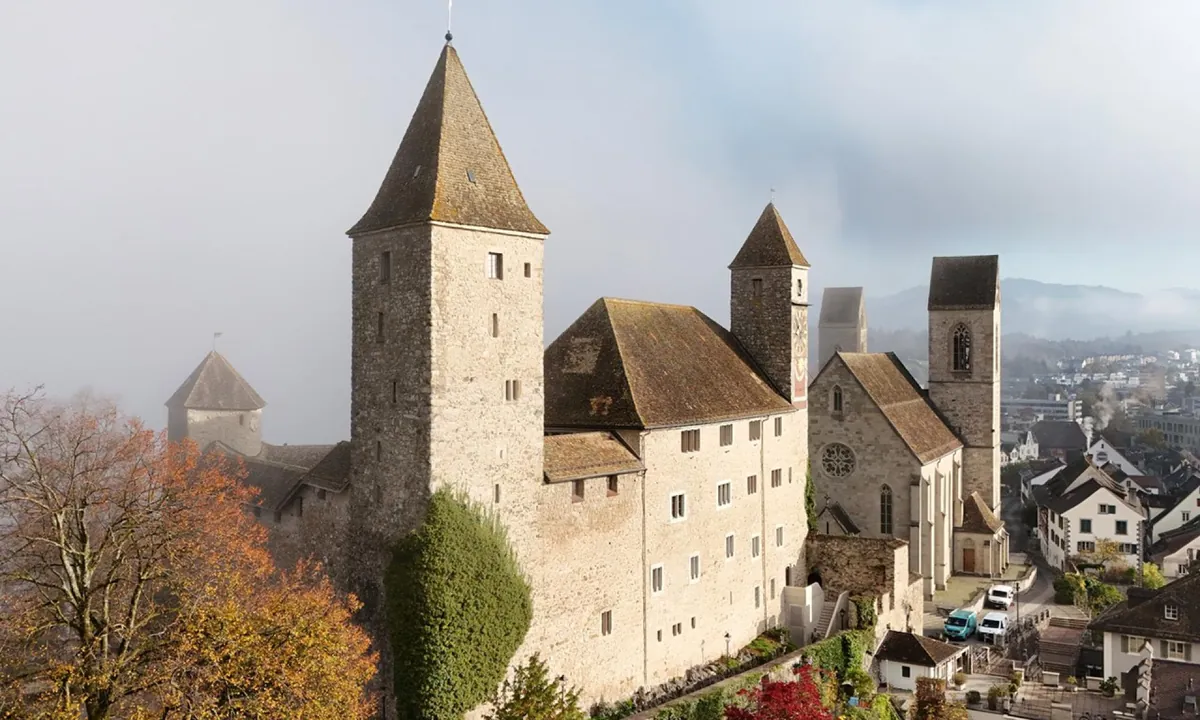
Overlooking Lake Zurich in the charming “Town of Roses,” Rapperswil Castle was built in the 13th century and reconstructed over the centuries. It towers above the town with distinctive defensive architecture and offers guided tours, scenic panoramic views, and a deer park on the castle hill. The castle blends medieval heritage with local culture, and part of its interior is open to visitors along with a restaurant space for special events and experiences.
6. Château de Vufflens - Canton of Vaud
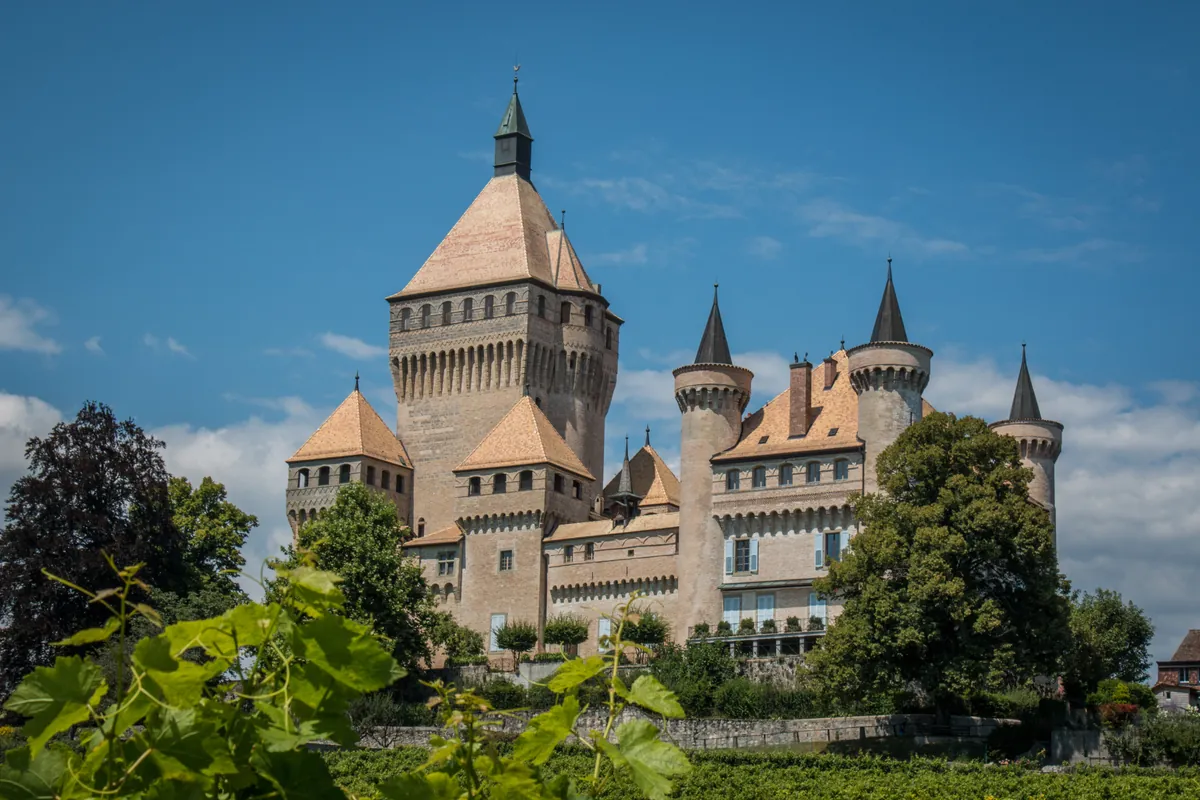
Although privately owned and not regularly open for internal visitation, the castle’s exterior and surrounding vineyards provide stunning photographic opportunities and a sense of historic Swiss aristocratic life.
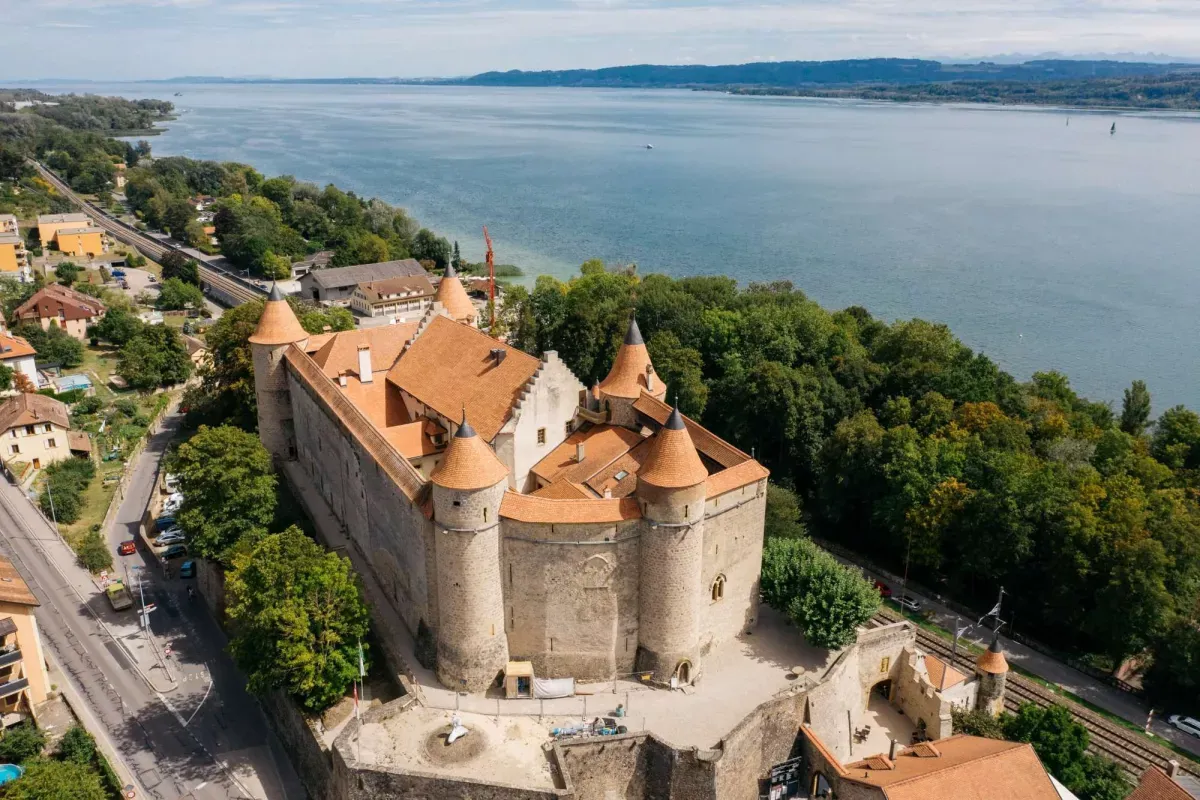
7. Château de Grandson - Canton of Vaud
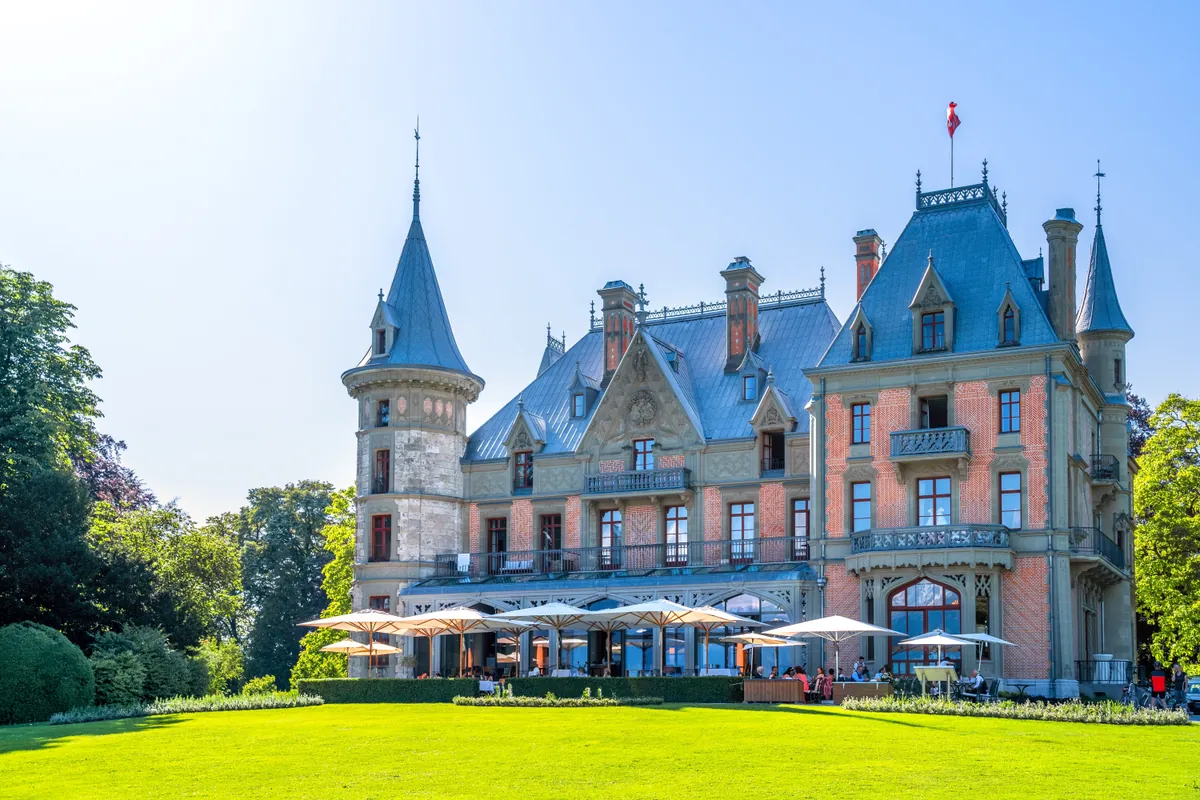
8. Schadau Castle - Thun, Canton of Bern
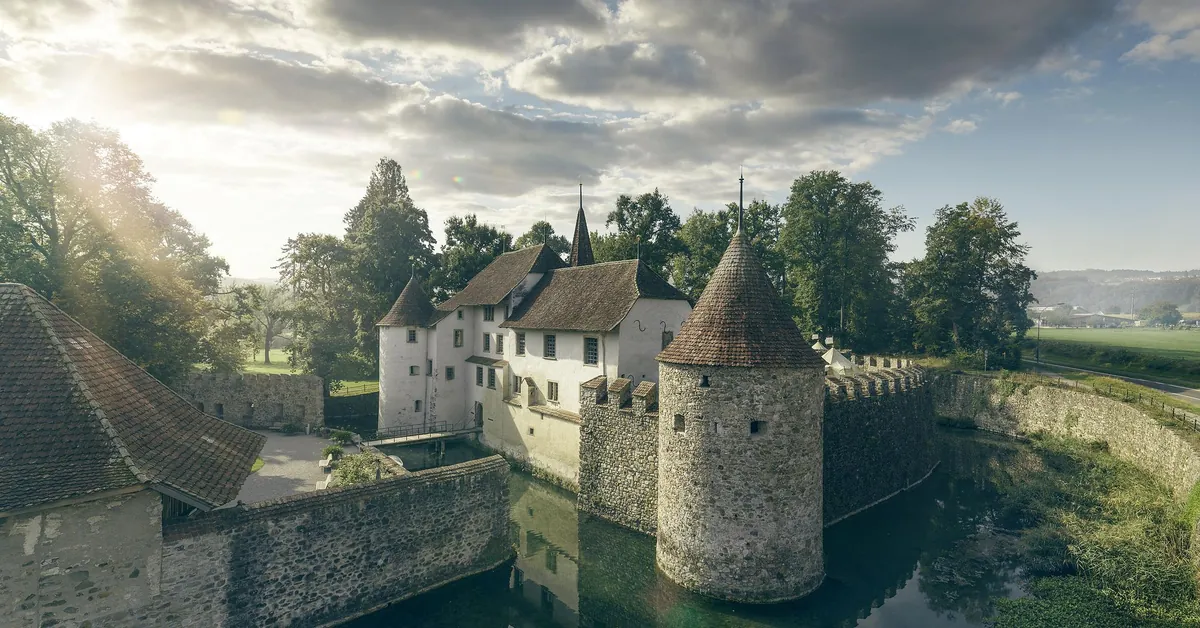
9. Hallwyl Castle - Canton of Aargau
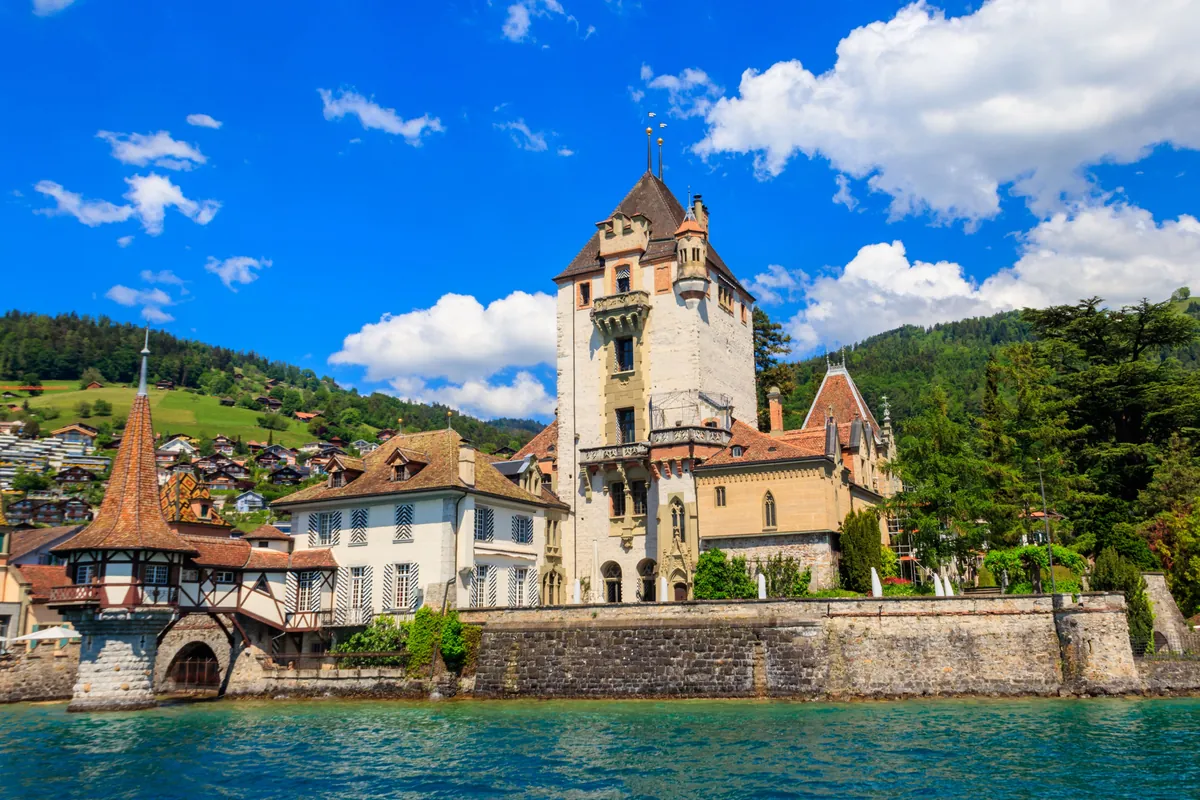
10. Oberhofen Castle - Lake Thun, Canton of Bern
Architecture Styles of Swiss Castles
Swiss castles reflect more than a thousand years of architectural evolution, shaped by geography, political fragmentation, foreign influence, and changing military technology. Rather than a single national style, Switzerland developed a rich mosaic of castle forms, each corresponding to a distinct historical period and functional need. The most common architectural styles of Swiss castles can be grouped into several major traditions: early medieval Romanesque fortresses, High Medieval feudal castles, Gothic castles and châteaux, Renaissance palaces, Baroque residences, and Romantic or Neo-Gothic revival castles. Each style has its own defining characteristics, historical context, representative examples, and typical uses.
Romanesque
The earliest and most fundamental style of Swiss castle architecture is Romanesque, which dominated from roughly the 10th to the 12th centuries. These castles were primarily military structures designed for defense, surveillance, and territorial control in a time of feudal fragmentation and frequent local conflict.
Romanesque castles are characterized by massive stone walls, simple geometric forms, limited openings, and imposing towers, especially the keep, which served as the last line of defense and often housed the lord’s living quarters. Ornamentation was minimal, and the architecture emphasized durability, visibility, and control over surrounding lands rather than comfort or display. Many of these castles were built on hilltops, rocky outcrops, or along strategic river crossings and trade routes through the Alps.
Examples of Romanesque-style castles in Switzerland include the early structures of Lenzburg Castle in Aargau, the original phases of Sion’s Valère and Tourbillon castles in Valais, and parts of the Bellinzona castles in Ticino. These castles were commonly used as fortified residences for noble families, military strongholds, and administrative centers where justice was administered and taxes or tolls were collected.
High Medieval
As medieval society became more complex and noble power more consolidated during the 12th to 14th centuries, castle architecture evolved into what is often referred to as the High Medieval feudal style. These castles retained strong defensive features but expanded in scale and complexity. They typically included curtain walls enclosing inner courtyards, multiple towers for flanking defense, gatehouses with drawbridges and portcullises, and separate residential and service buildings within the walls. The layout became more sophisticated, reflecting both military innovation and the growing importance of domestic life.
Swiss examples include Château de Chillon in its medieval phases, Habsburg Castle in Aargau, and the core structures of Gruyères Castle in Fribourg. These castles served as political power bases for noble families, territorial governors, and feudal lords, functioning simultaneously as military fortresses, administrative hubs, and elite residences.
Gothic
Gothic castle architecture emerged in Switzerland from the late 13th century into the 15th century, reflecting both technological advances and changing aesthetic values. While still defensive in nature, Gothic castles display more verticality, lighter construction techniques, larger windows, and greater emphasis on internal comfort and representation. Interiors were often expanded with great halls, chapels, vaulted ceilings, and decorative stonework.
Externally, Gothic castles might feature taller towers, pointed arches, and more articulated façades, though defensive elements such as battlements and moats remained prominent.
Notable Swiss examples include Gruyères Castle in its later phases, Grandson Castle in Vaud, and the fortified castles of the Rhine valley in eastern Switzerland. These castles were commonly used as noble residences and administrative centers, increasingly functioning as symbols of lineage, prestige, and cultural authority rather than purely military strongholds.
Renaissance
With the arrival of the Renaissance in the 15th and 16th centuries, Swiss castle architecture underwent a profound transformation. The defensive role of castles declined due to the rise of gunpowder artillery and the consolidation of territorial states, while their residential and representational functions became more important.
Renaissance castles and châteaux in Switzerland emphasize symmetry, proportion, classical motifs, and comfort. Thick defensive walls were softened by elegant façades, arcaded courtyards, large windows, and decorative elements inspired by Italian and French architectural traditions. Interior spaces became more refined, with formal reception rooms, private chambers, and richly decorated halls.
Prominent examples of this style include Château de Prangins on Lake Geneva, the later phases of Chillon, and several noble estates in Vaud and Neuchâtel. These castles were primarily used as aristocratic residences, seats of regional administration, and symbols of cultural sophistication rather than as military installations.
Baroque
The Baroque style followed in the 17th and 18th centuries, further distancing Swiss castle architecture from its medieval fortress origins. Baroque castles and palaces emphasize grandeur, theatricality, and visual impact. They often feature monumental staircases, richly ornamented interiors, elaborate façades, symmetrical layouts, and landscaped gardens designed to impress visitors and reflect the wealth and status of their owners. Defensive features were largely abandoned, and castles became primarily palatial residences or governmental buildings.
Examples of Baroque castle architecture in Switzerland include Schloss Waldegg near Solothurn, Schloss Arenenberg on Lake Constance, and Château de Coppet near Lake Geneva. These estates were used as noble or elite residences, cultural salons, and administrative seats, hosting diplomats, intellectuals, and political figures rather than soldiers.
Neo-Gothic
In the 19th century, Switzerland experienced a wave of Romantic and Neo-Gothic revival architecture, inspired by medieval ideals, nationalism, and the romanticization of chivalry and history. Rather than serving military or administrative purposes, these castles were built or heavily remodeled to evoke a medieval aesthetic, often with dramatic towers, battlements, pointed arches, and picturesque silhouettes designed to harmonize with the landscape.
These castles prioritized visual impact, romantic symbolism, and private leisure over defense or governance. A prominent Swiss example is Schloss Schadau on Lake Thun, a Neo-Gothic residence built in the mid-19th century, as well as various restored or reconstructed castles across the country that were reimagined during this period. These castles were commonly used as private residences, luxury estates, or later as hotels, museums, and cultural venues.
Castles for Sale in Switzerland
Switzerland’s market for castle and historic properties is extremely exclusive, limited and highly specialised compared with typical residential real estate. Historic castles, châteaux, manor houses and listed landmarks are rarely offered for sale.
Even mainstream luxury property aggregators list only a handful of castle properties in Switzerland, and many are marketed with “price on application” because these listings are bespoke and confidential rather than standard real-estate units with published prices.
Available at Castlelist are the Château de Bochat, a historic castle-style estate overlooking Lake Geneva near Lausanne, and Baroque Klingenberg Castle, which features a historic chapel, Rococo-era ballroom, period interiors, expansive grounds and versatile spaces.
Both of these properties illustrate the scarcity and uniqueness of castles on the Swiss market: they are not regular homes but heritage landmarks with significant cultural and architectural value.
Purchasing Historic Property in Switzerland
Purchasing a castle or historic property in Switzerland is significantly more complex than buying a normal home, especially for non-Swiss residents or foreign buyers.
Swiss law includes the Lex Koller (“Federal Act on the Acquisition of Real Estate by Persons Abroad”), which regulates how non-Swiss residents can purchase property. Under this law, foreign buyers without Swiss residency or certain permits must obtain special authorization to acquire residential real estate, and the types of properties allowed (and frequency) are limited.
The Lex Koller applies broadly to private residential purchases, including historic properties, but exceptions can apply, for example for commercial use, business establishments or properties used for specific purposes.
Swiss residents, including holders of a C residence permit and EU/EFTA citizens with certain permits, generally have fewer restrictions, but non-residents typically must apply for approval through cantonal and federal channels.
Castle Tourism in Switzerland
Castle tourism in Switzerland is an important and growing part of the country’s cultural tourism landscape, blending heritage preservation, visitor experiences, seasonal events and economic contribution to both local communities and the national tourism sector. Swiss castles attract visitors not only for their history and architecture but also for events, exhibitions and immersive experiences that connect tourists with Switzerland’s past.
Most of Switzerland’s major castles today are used primarily as cultural attractions and museums. Many are operated by foundations, local governments or heritage organisations that maintain the buildings and curate exhibitions, guided tours, educational programmes, theatrical stagings and seasonal events tailored to a range of visitors, from school groups to international travellers. The National Association of Swiss Castles, which includes around 30 of the country’s most significant castles and palaces, emphasises not only preservation but also the visitor experience, with castles set in landscape settings that make visits part of wider cultural or outdoor itineraries.
Visitor numbers have been rising strongly in recent years, reflecting renewed interest in heritage tourism. In 2023, the 28 major Swiss castles affiliated with the association welcomed over 1.3 million visitors, an 18 percent increase on the previous year and a new record for castle tourism in Switzerland. At individual sites, iconic attractions like Chillon Castle on Lake Geneva also draw substantial crowds: in 2023 this single site saw more than 391,000 visitors, with about three-quarters coming from outside Switzerland, highlighting its strong international appeal. In 2025, Château de Gruyères set its own record with nearly 189,000 visitors, underscoring how individual castles have become major draws in their regions.
While the majority of castles are managed as museum-type attractions, some historic properties have diversified their tourism use. A number of castles and large historic estates have been adapted as boutique hotels, event venues or conference spaces, creating unique hospitality experiences that combine heritage with modern amenities.
Economic impact
Castle tourism dovetails with the broader Swiss tourism economy, which is a significant contributor to the national GDP and employment. Tourism in Switzerland generates roughly 3 percent of gross domestic product and supports around 170,000 full-time equivalent jobs, with some 25 million tourists contributing approximately 55 million overnight stays annually before the pandemic recovery fully took hold. In recent years, Switzerland’s tourism sector has seen strong recovery and growth, with record overnight stays reaching over 42 million in 2024, reflecting broad resilience and renewed global interest in Swiss destinations. Castles contribute to this broader economic picture by adding cultural depth to the country’s already compelling natural attractions and by encouraging longer stays and more diversified travel itineraries.