
Castles in Poland
Elegant palaces or castles in Poland can be purchased for around €1.5 million. The most famous castles in Poland are Malbork and the Wawel Castle.
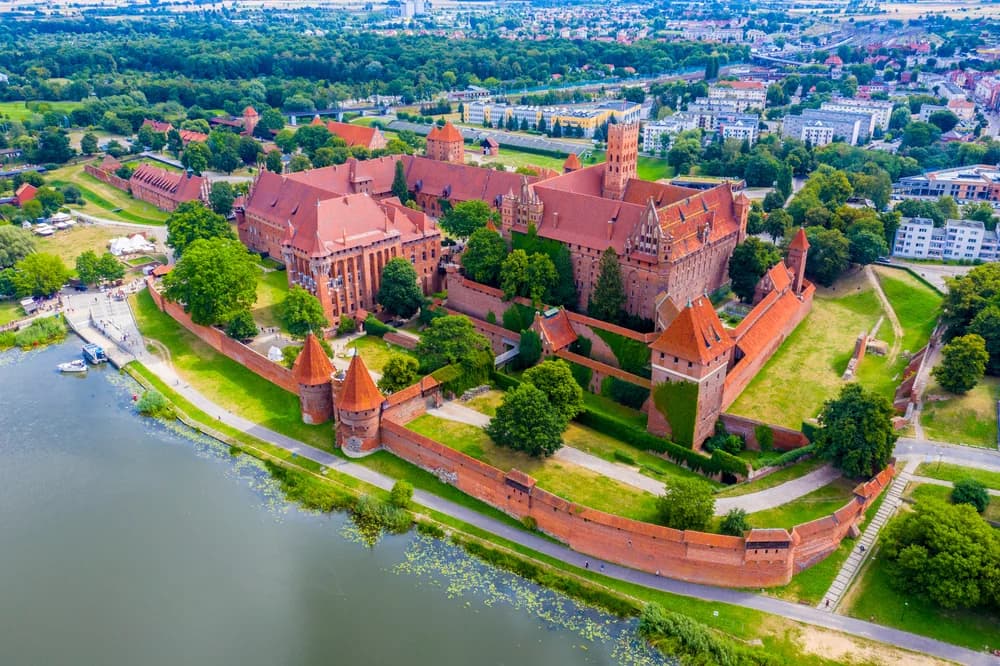
Castles in Poland are distinguished as a collection of traditions, where the red-brick of Prussia and Teutonic knights intersect with the refined classicism of royal estates. For investors, this country provides a portfolio that bridges the gap between Northern Europe's military austerity and the opulent influences of the Flemish or Italian Renaissance.
A survey of the current market reveals that Poland holds exceptional value for those seeking a distinctive historic location. While a restored manor in England might demand a higher asking price for its proximity to London, a comparable 17th-century palace in Lower Silesia often presents an opportunity to steward a much larger estate for a fraction of the cost. For example, in England, a well-maintaine Grade II listed manor house with 10–15 bedrooms and some land typically starts at £3 million to £5 million. Appleby Castle in Cumbria (a genuine 12th-century castle) was recently listed for £6.75 million (initially it had been close to £10 million), while the Bożków Palace in Lower Silesia recently went for sale at €1.5 million.
This guide will serve as the definitive resource for understanding the scale, history, and acquisition of these heritage assets.
How Many Castles Are in Poland?
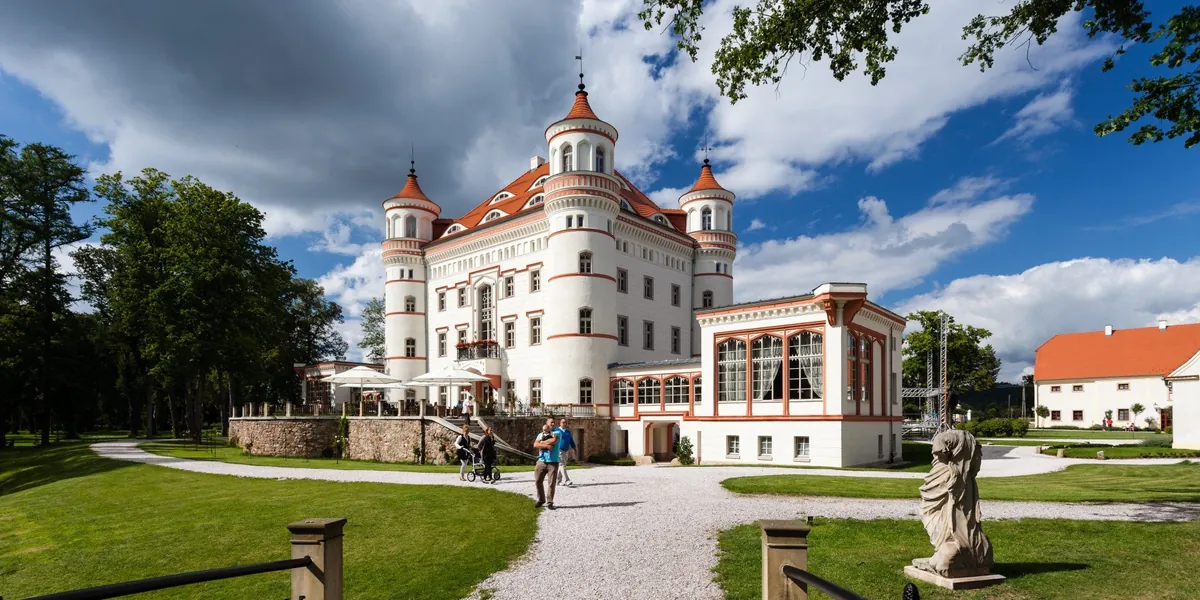
Poland is home to over 400 standing castles and approximately 2,500 palaces. This density is particularly high in the Lower Silesia region, which acts as a "Valley of Palaces" with over 30 significant sites concentrated in the Jelenia Góra Valley alone. Some of these castles are ones such as Wojanów Palace, Karpniki Castle, Łomnica Palace, Chojnik Castle and Staniszów Palace.
Not every structure remains in habitable condition. Roughly 100 of these estates are open to the public as museums or hotels, while the remainder are held as private residences or await restoration. Many of these properties have returned to the stewardship of private families following the geopolitical shifts of the late 20th century.
The abundance of fortifications stems from Poland's history as a "Crossroads of Conflict". Between the Teutonic Order's growth in the 1300s and the Swedish Deluge in the 1700s, the area had to be constantly guarded. The different types of architecture that were built because of these stresses are shown in the huge brick fortresses in the north and the eagles' nests made of limestone that are perched on the southern cliffs.
Famous Castles in Poland
Since the Hanseatic League, the Holy Roman Empire, the Teutonic Order and Prussia all extended over parts of Poland, this country preserves some of the biggest medieval structures in Europe. These are some of the most famous castles in Poland.
1. Malbork Castle
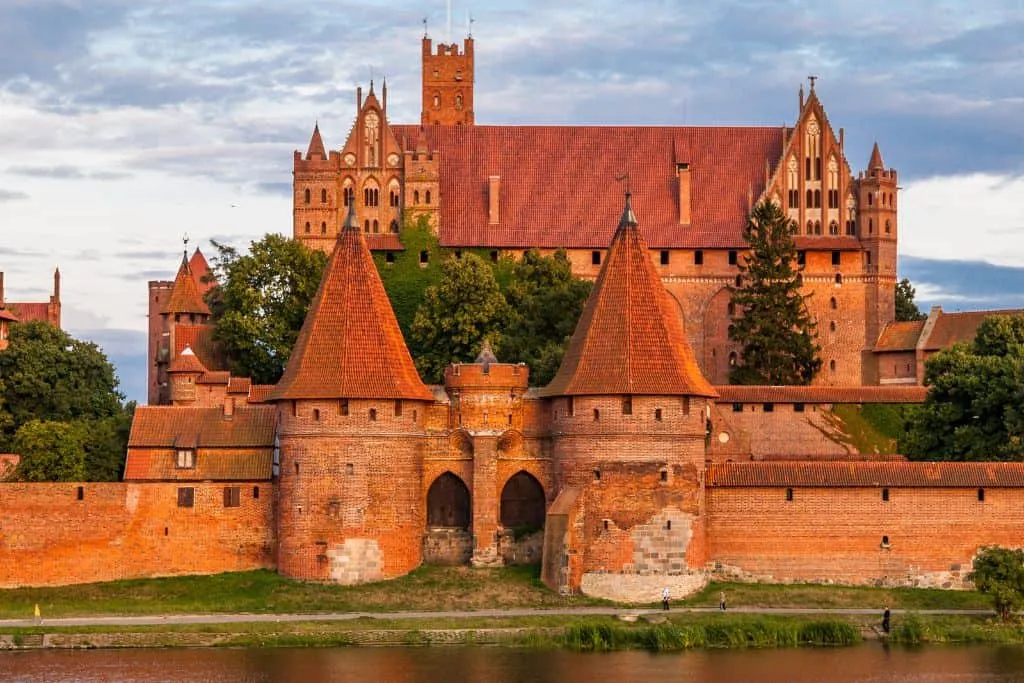
Malbork Castle, a UNESCO World Heritage Site, stands as the largest brick castle in the world by land area. Originally the seat of the Grand Master of the Teutonic Order, the fortress extends over 143,000 square meters (roughly a third of the total area of the Vatican City.) Based on its tourism volume and historic significance, Malbork is classified as a category of "irreplaceable heritage" with a commercial valuation that would exceed €200 million if it were a private asset.
2. Wawel Royal Castle
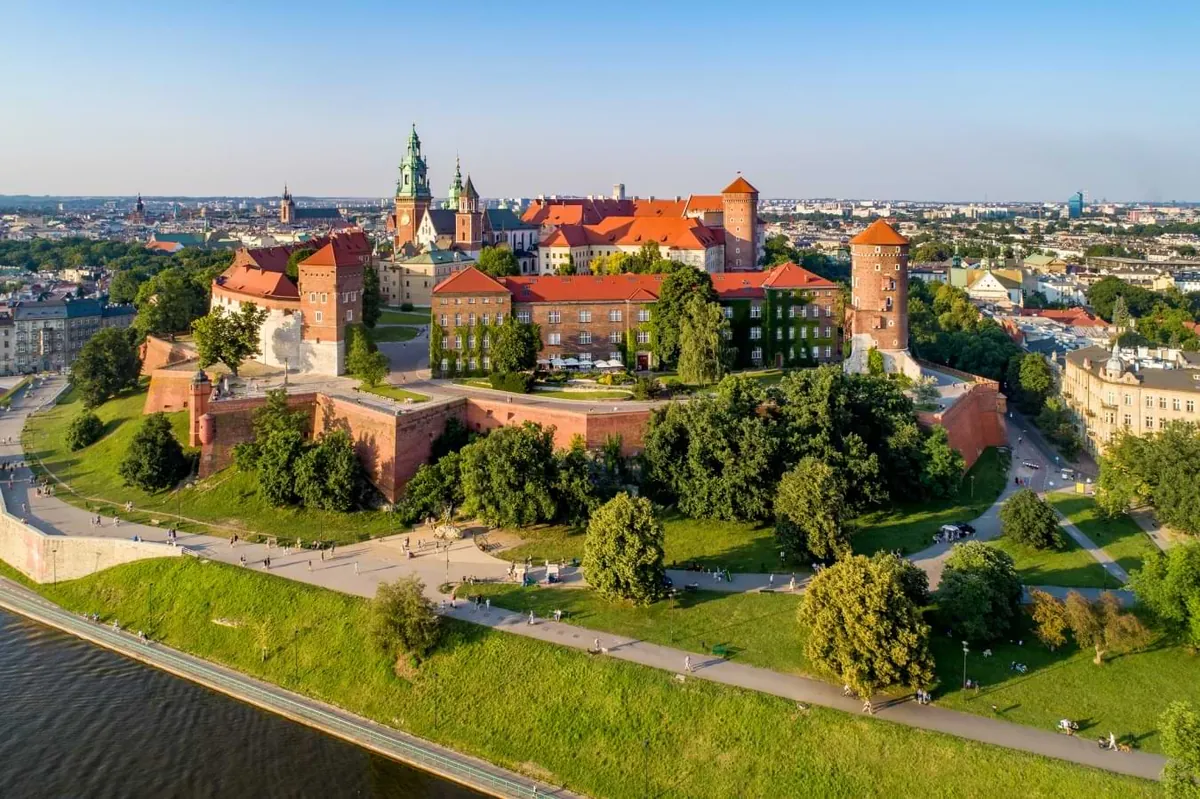
Poland's identity is summed up in the Wawel Royal Castle in Kraków. This site outlines the transition from a medieval fortress to a refined Renaissance palace. The Royal Private Apartments have a magnificent collection of Flemish tapestries from the 1600s, which gives them an extra level of value.
3. Książ Castle
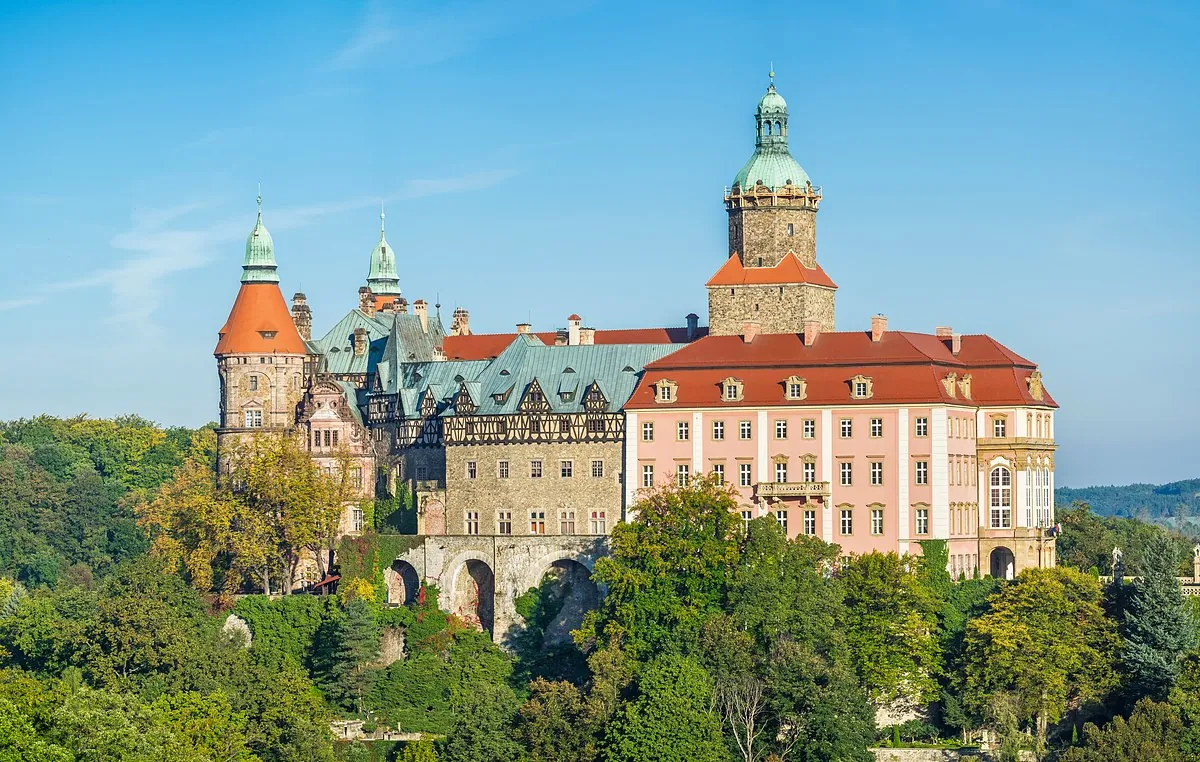
In the south, Książ Castle towers above the hill country of Wałbrzych. As the third-largest castle in Poland, it features over 400 rooms and a series of underground tunnels constructed during the Second World War. More than 300,000 people visit the estate every year.
4. Moszna Castle
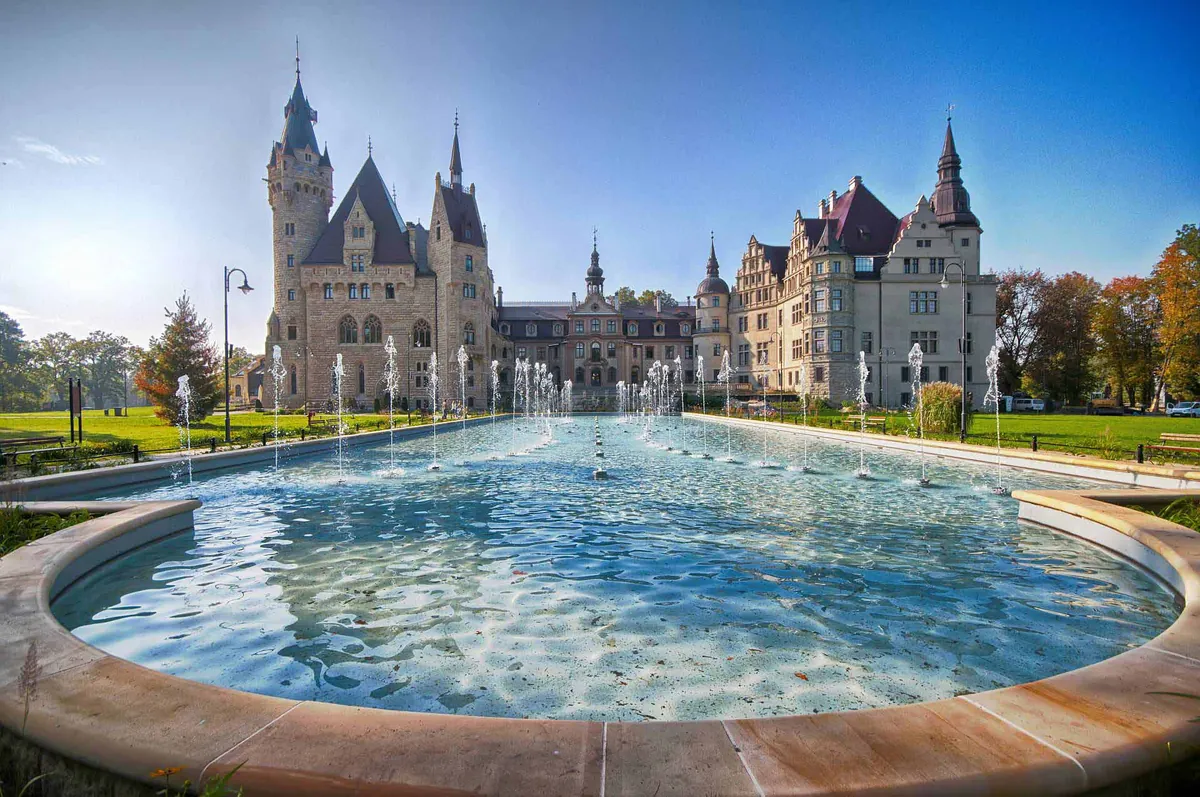
Moszna Castle in southwestern Poland ignores all architectural rules. The Tiele-Winckler family raised this palace with 99 towers to define the skyline. It holds 365 rooms, which allowed the owners to sleep in a different suite every night of the year. The builders mixed Gothic and Baroque styles and the castle looks like a palace.
Italian, Dutch and Hanseatic–Teutonic Influence in Castles in Poland
Queen Bona Sforza (an Italian princess who married King Sigismund I) brought Italian architects (like Bartolomeo Berrecci) to Poland. This led to the "Attic" roofs and arcaded courtyards seen in Polish Renaissance towns like Zamość or Kazimierz Dolny.
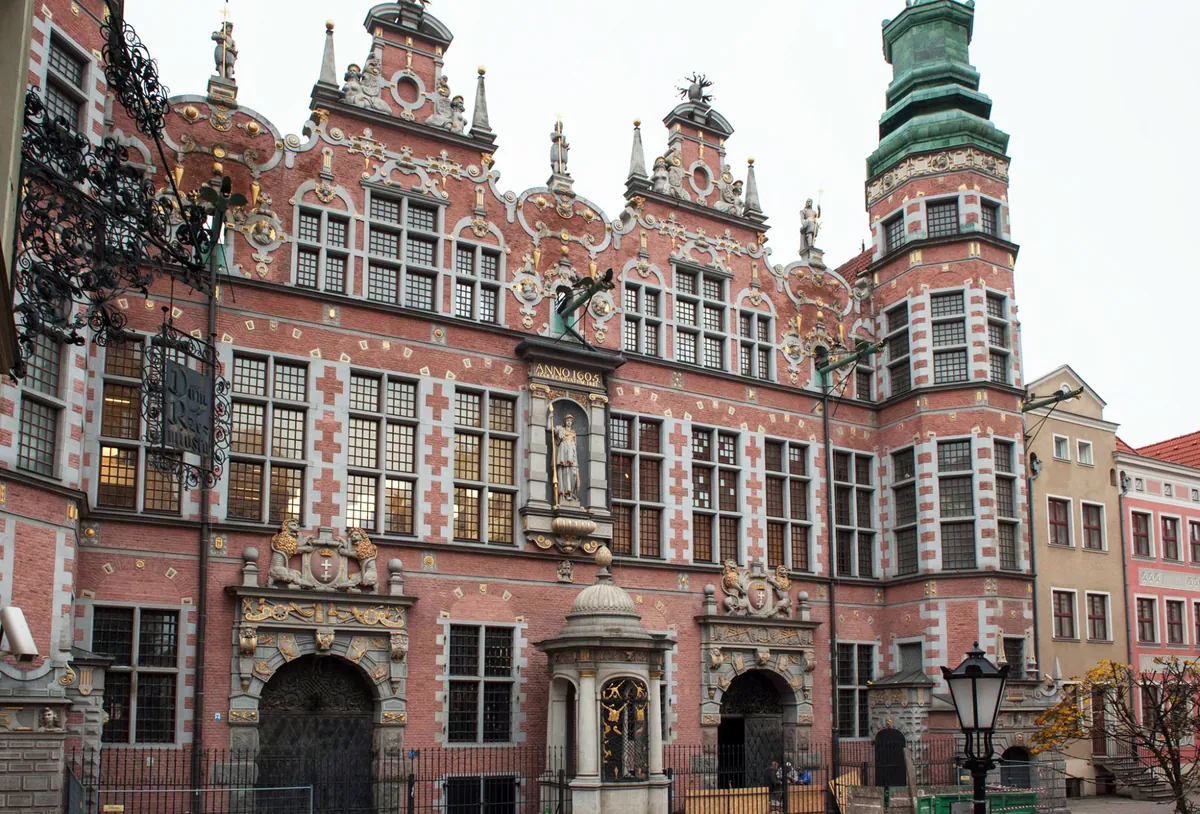
Northern cities like Gdańsk (a major Hanseatic, and hence Teutonic, port) were heavily influenced by the Flemish and Dutch. The red-brick buildings that buyers usually call Teutonic also feature the ornate, curly gables and "Mannerist" decorations typical of Flemish architecture. The Great Armoury in Gdańsk is a prime example.
Medieval Polish Castles
The medieval era defined the Polish skyline with two primary styles: the Teutonic brick Gothic of the north (the Northern Polish scene remains defined by the brick legacy of Royal Prussia and the Teutonic Order, where massive fortresses like Malbork served as the administrative heart of the region for centuries) and the Trail of the Eagles' Nests in the south. Masons worked with local materials to create structures that could withstand prolonged sieges while projecting unquestioned authority.
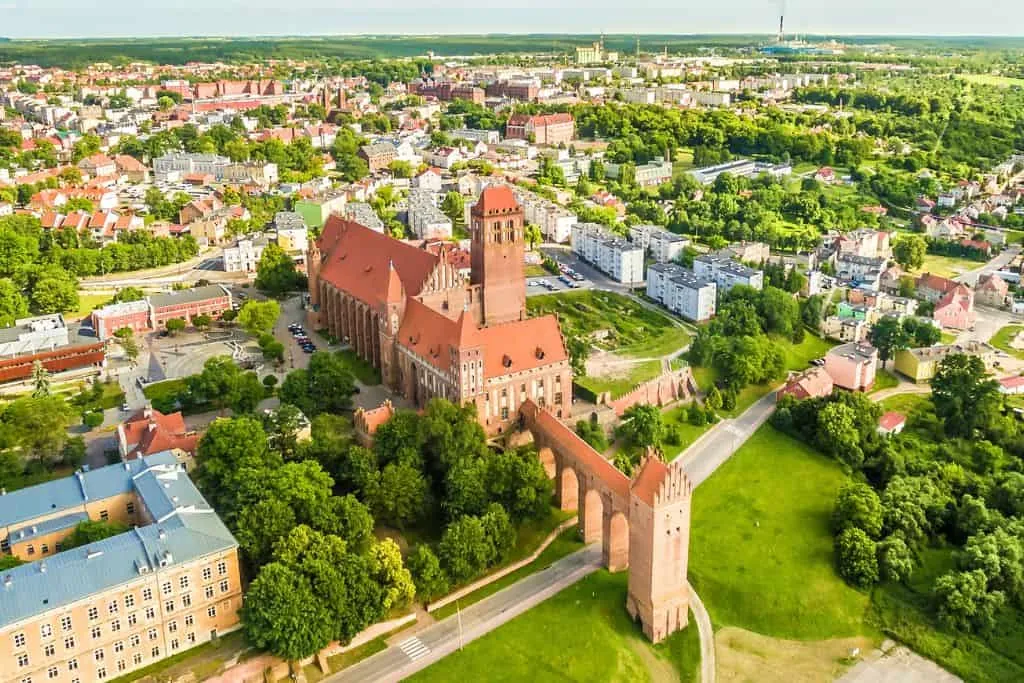
Because of the lack of stone in the north, people learned how to build strong walls out of bricks. These "Ordensburgen" feature massive square keeps and wide moats. Kwidzyn Castle remains a definitive example, where a massive Gdanisko (sewer tower) is connected to the main structure by a long, arched gallery.
The Trail of the Eagles' Nests consists of 25 medieval castles perched on limestone rocks between Kraków and Częstochowa. King Casimir the Great commissioned these fortresses in the 14th century to protect the trade routes. Ogrodzieniec Castle is the most notable of these sites. Its ruins integrate directly into the natural rock formations to set up an impenetrable barrier against siege machinery.
Castles for Sale in Poland
In Poland, you pay the price of a minor French manor but gain a grand palace in return. This gap allows investors to secure more history for their capital.
On occasion, the Polish real estate market grants chances to take care of historic properties. In recent years, private investors have increasingly looked toward Lower Silesia and Greater Poland for residences or estates in turnkey condition. Owners also list their properties frequently in Poland. The small town of Głogówek recently put up its castle to function as a company HQ. A wooden palace, the only one of its kind in the region, recently went on the market for €1 million.
Smaller manor houses requiring significant restoration often list between €400,000 and €800,000. Fully restored palaces, like neo-gothic palaces, with extensive grounds and modernized interiors typically dictate prices from €2.5 million to €6 million.
As a result, investors can purchase European castles in Poland for about 40% less than a similar structure would cost in Germany or France. For comparison, in Germany, similar properties might run for significantly more, as renovated castles typically enter the market between €1.5 million and €3.7 million.
Find More Castles in Europe
If you admire the brick fortresses and royal estates of Poland, you will find your next obsession in the moated castles of Belgium or the heritage residences of Germany. Our private office curates a collection of extraordinary homes across the continent for a discerning global clientele.
Ownership of a historic estate confers a rare privilege and a chance to live with intention. To receive updates whenever a significant castle enters the market, join our mailing list for exclusive access to the world's most refined heritage portfolio.