
Castles in Denmark
Explore castles in Denmark, from medieval fortresses to Renaissance palaces. Discover famous sites, architecture styles, ownership rules, and tourism insights.
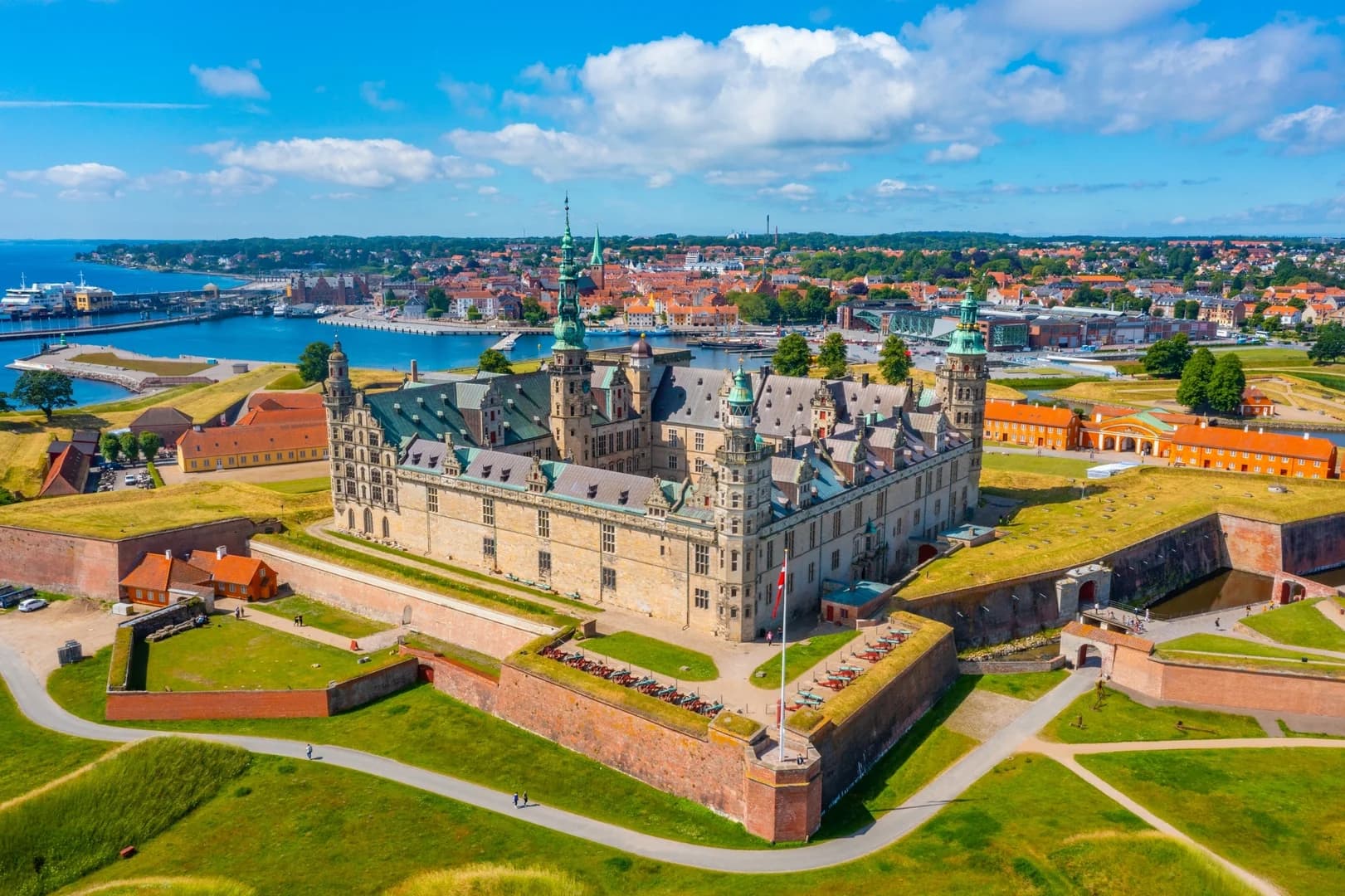
Castles in Denmark
Denmark offers a unique blend of history, beauty, and stability, making it one of Europe’s most appealing markets for historic properties. Unlike the mountain-top fortresses common in Central Europe, many Danish castles were built along coastlines, straits, and fjords to control naval routes, trade, and access between the Baltic and North Seas. This maritime positioning reflects Denmark’s historical role as a naval power and trading nation, especially during the Middle Ages and the Renaissance, when controlling waterways was more important than defending mountain passes or land borders.
Many of the earliest castles were built around the 12th century as fortified strongholds, constructed from earth, timber, and later stone, often surrounded by moats and defensive walls. These fortresses were designed to protect against foreign invasions, particularly from German principalities and rival Nordic powers, as well as internal conflicts between noble families and the crown.
As Denmark developed into a centralized monarchy, castles became vital instruments of royal administration. Today, Denmark’s castles range from fully preserved royal residences and museums to privately owned estates and beautifully restored manor castles. Many continue to function as cultural venues, hotels, or private homes, blending historic character with modern comforts. This unique combination of heritage preservation and contemporary living makes Danish castles especially attractive to buyers seeking both prestige and practicality.
How Many Castles are in Denmark?
Several travel and cultural sources note that Denmark has over 100 castles still standing today, with many more historical manor houses and related estates often grouped together under the broader category of castles and palaces. According to one travel guide, “Denmark has over 100 castles in total, along with a handful of palaces,” many of which are still owned and used by the Danish royal family or private owners.
The reason for this number is rooted in Denmark’s early and enduring feudal and agrarian history. From the Middle Ages through the Renaissance and into the early modern period, Denmark’s monarchy, nobility, and wealthy landowners built fortifications and grand residences as centers of administration, defense, and economic control. Many castles began as fortified strongholds during medieval territorial conflicts and internal power struggles; over centuries, as warfare evolved and royal authority centralized, numerous fortresses were expanded or rebuilt into residential palaces or manor houses. Because Denmark was a productive agricultural society with a strong landed aristocracy, large estates and manor complexes proliferated across regions like Zealand, Funen, and Jutland, contributing to castle‑like structures surviving today.
Famous Castles in Denmark
Most of the famous castles in Denmark are open to the public as museums, cultural institutions or event venues. The harmony between architecture and the surrounding nature of Danish properties enhances their aesthetic appeal and reflects Denmark’s broader cultural appreciation for balance, order, and understated elegance.
Kronborg Castle
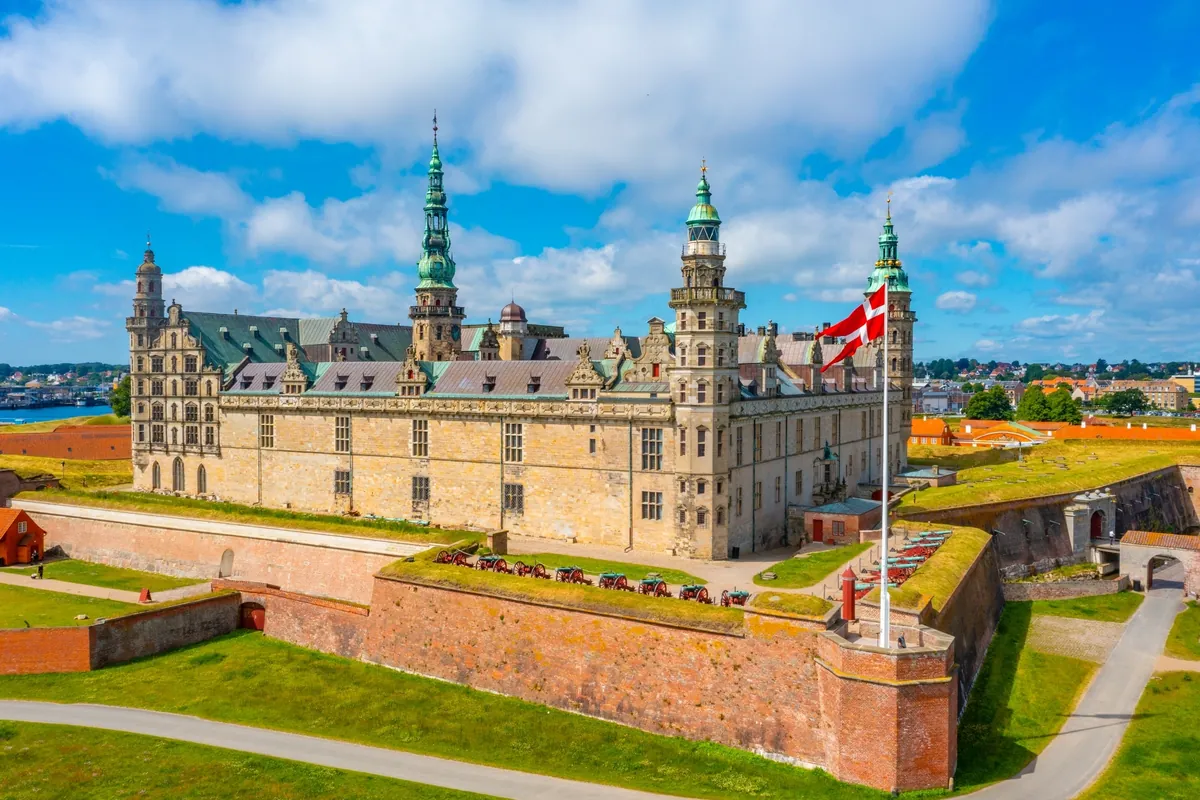
, located in Helsingør at the narrowest point of the Øresund Strait, is one of Denmark’s most iconic castles and a UNESCO World Heritage Site. Built originally in the 1420s and significantly rebuilt in the late 16th century in Renaissance style, it served as a strategic fortification controlling naval traffic and collecting tolls from passing ships.
What makes Kronborg especially famous worldwide is its role in William Shakespeare’s Hamlet, where it is immortalized as Elsinore Castle. Today Kronborg is open for visitors, with tours exploring its royal chambers, ramparts, and exhibitions. In summer, live performances of Hamlet often bring the castle’s theatrical heritage to life.
Rosenborg Castle
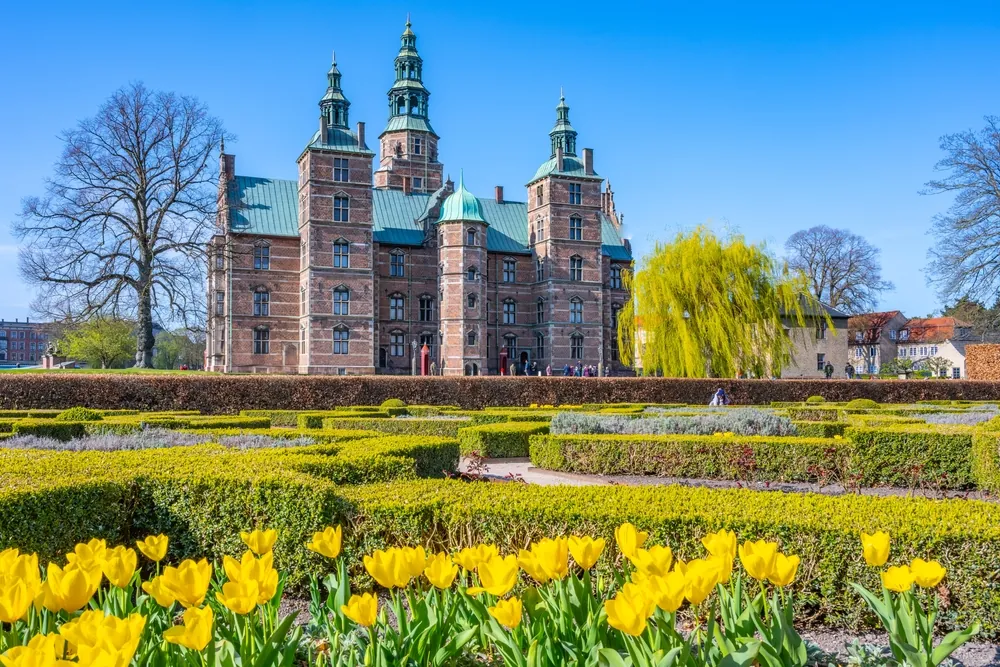
It is especially famous today for its Royal Collections, including the Danish Crown Jewels and Crown Regalia, along with period furniture, tapestries, and artifacts reflecting Danish royal life. Rosenborg is open year-round as a museum, and its gardens are a beloved public space in Copenhagen.
Frederiksborg Castle
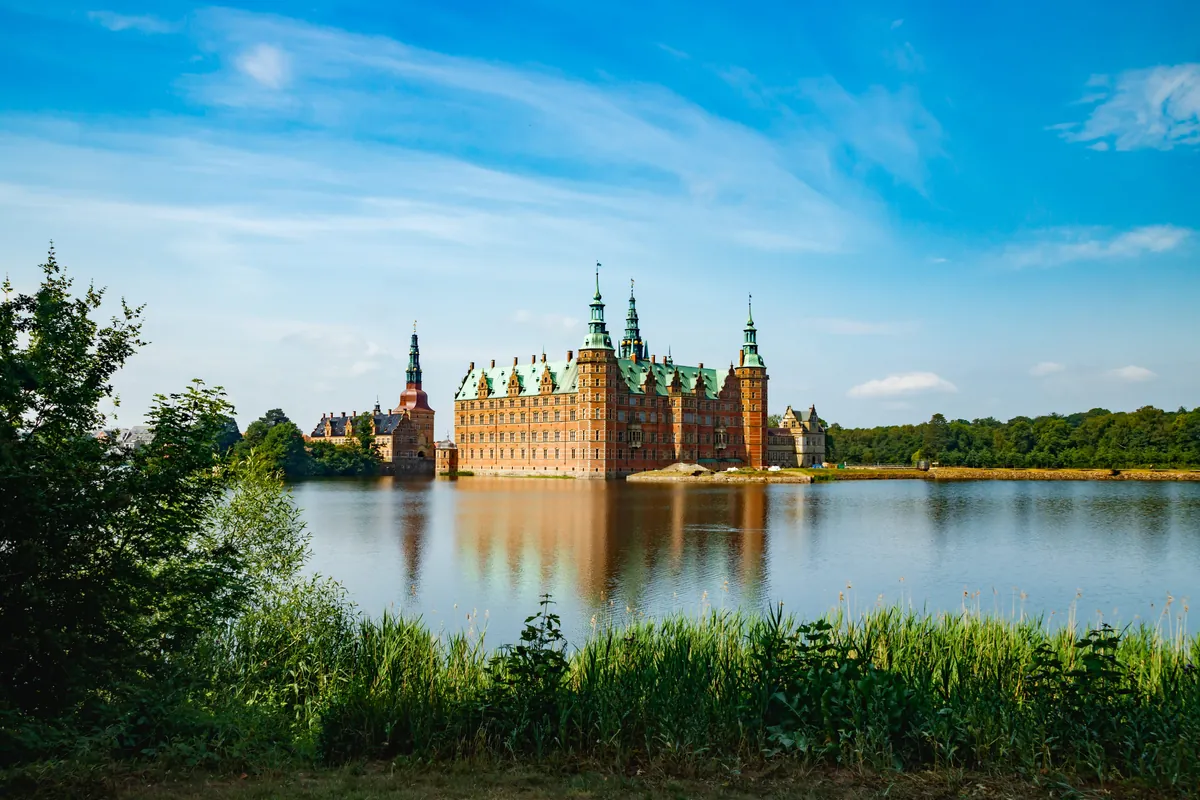
Since 1878, Frederiksborg has housed the Museum of National History, showcasing 500 years of Danish history through portraits, paintings, and decorative arts. The castle and its gardens are open to visitors year-round and are considered a highlight of Denmark’s historic attractions.
Egeskov Castle
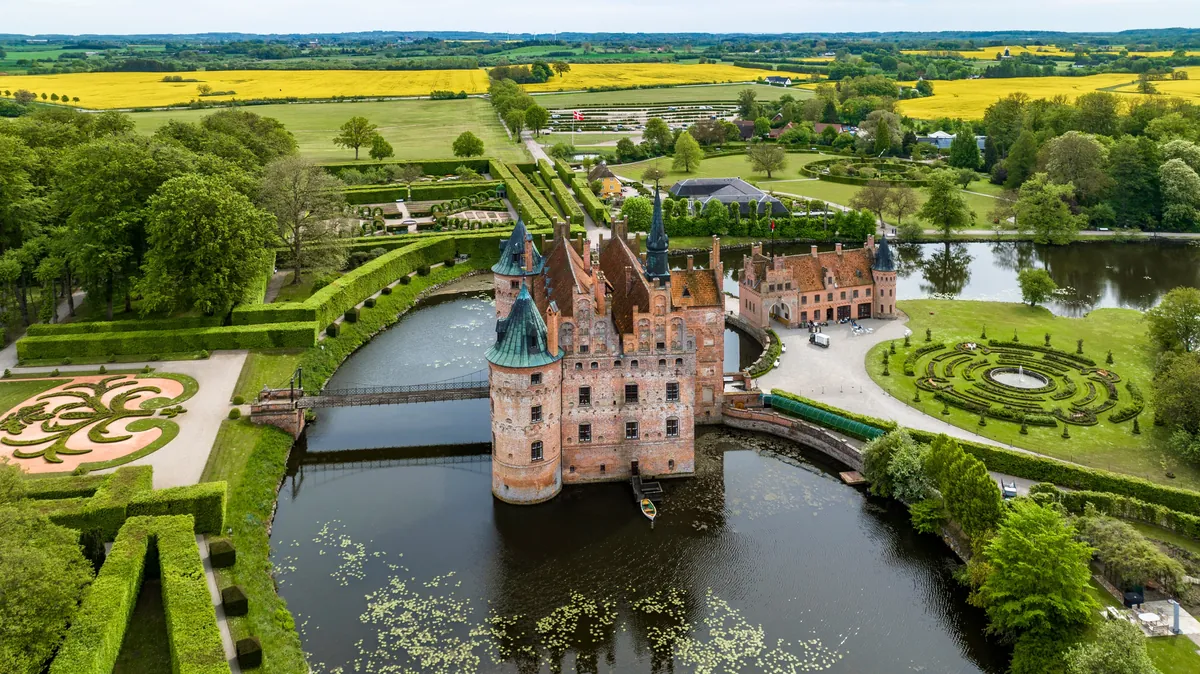
Today, the castle is an active family home but also offers public access to its historic interiors, extensive gardens (including Renaissance and English gardens), and attractions such as vintage car and motorcycle museums. Its enchanting setting and blend of history and leisure make it a uniquely immersive castle visit in Denmark.
Koldinghus
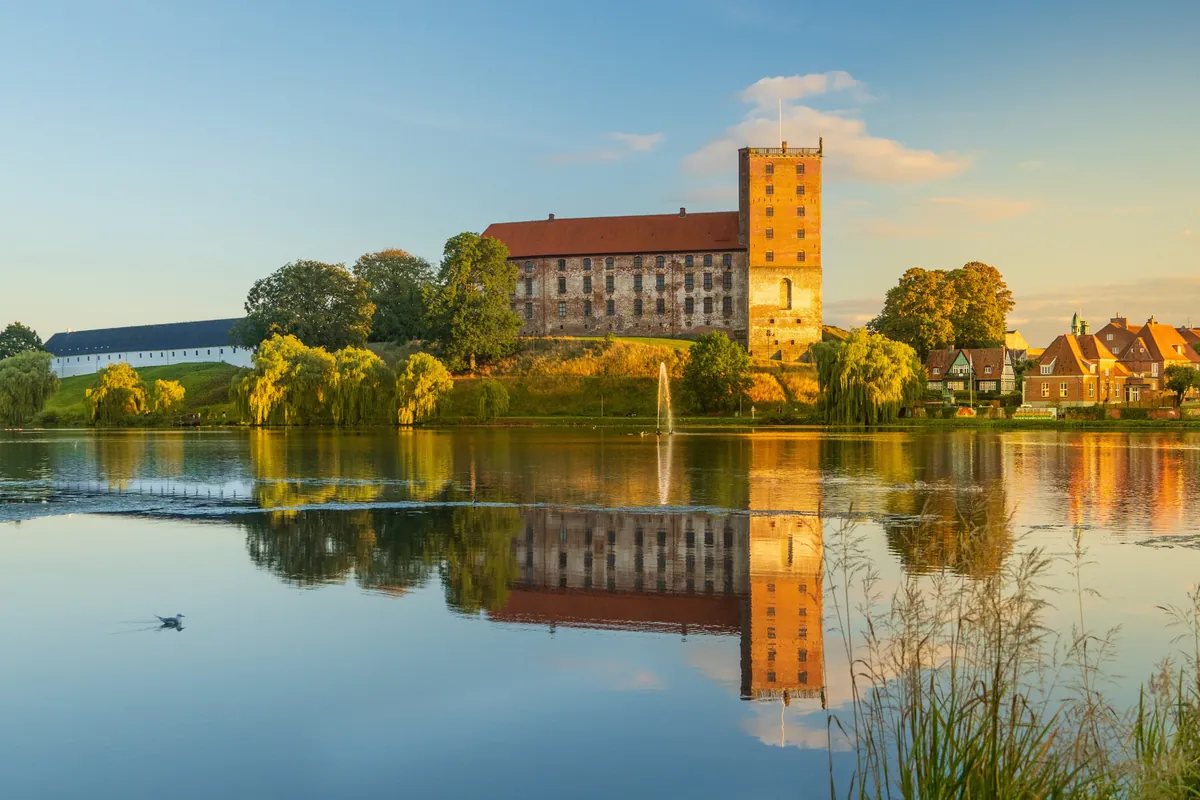
Today, the property has been carefully restored and operates as a museum showcasing Danish history, architecture, art, and design. Exhibitions here contain furniture, paintings, and crafts spanning several eras, and visitors can also enjoy panoramic views from the castle towers.
Sønderborg Castle
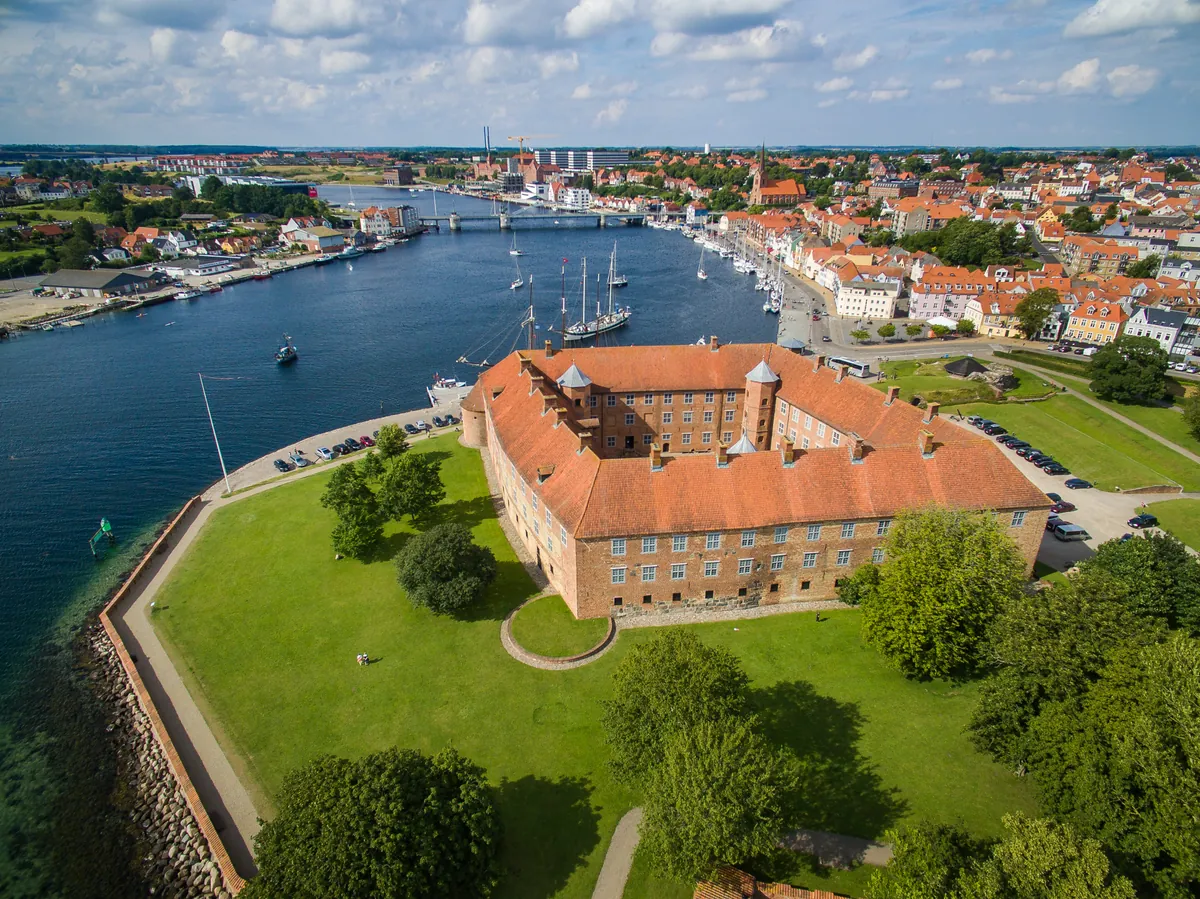
The castle now houses the museum of Sønderborg, where exhibitions explore Danish and regional history, including the Schleswig Wars and cultural heritage. It is open to visitors and serves as both historic site and cultural attraction.
Voergaard Castle
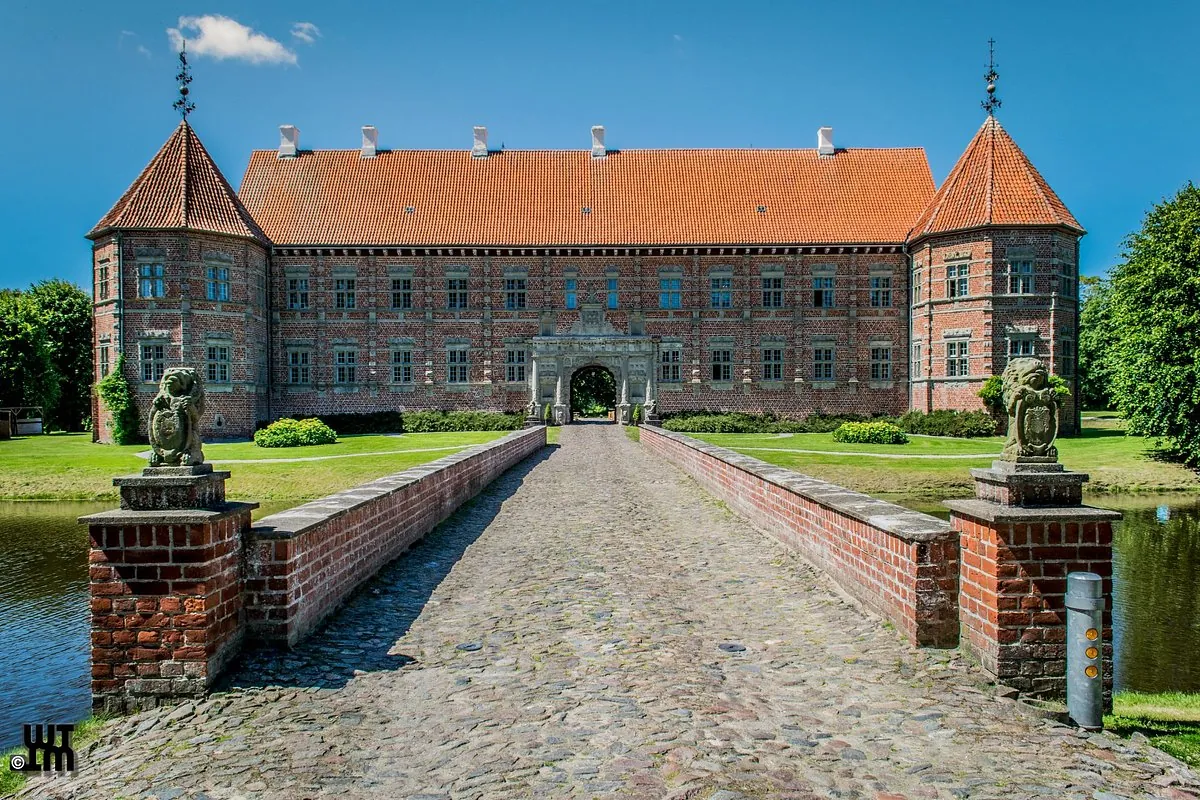
in North Jutland is a Renaissance manor house that dates back to the early 16th century and reflects the architectural evolution of Danish noble residences. Known for its picturesque setting, Renaissance brickwork, and octagonal corner towers, Voergaard is also celebrated for housing an important art collection, with works attributed to painters like Goya and Rubens.
The castle and its gardens are open to the public, making it both a cultural treasure and a scenic destination for visitors interested in art history.
Spøttrup Castle
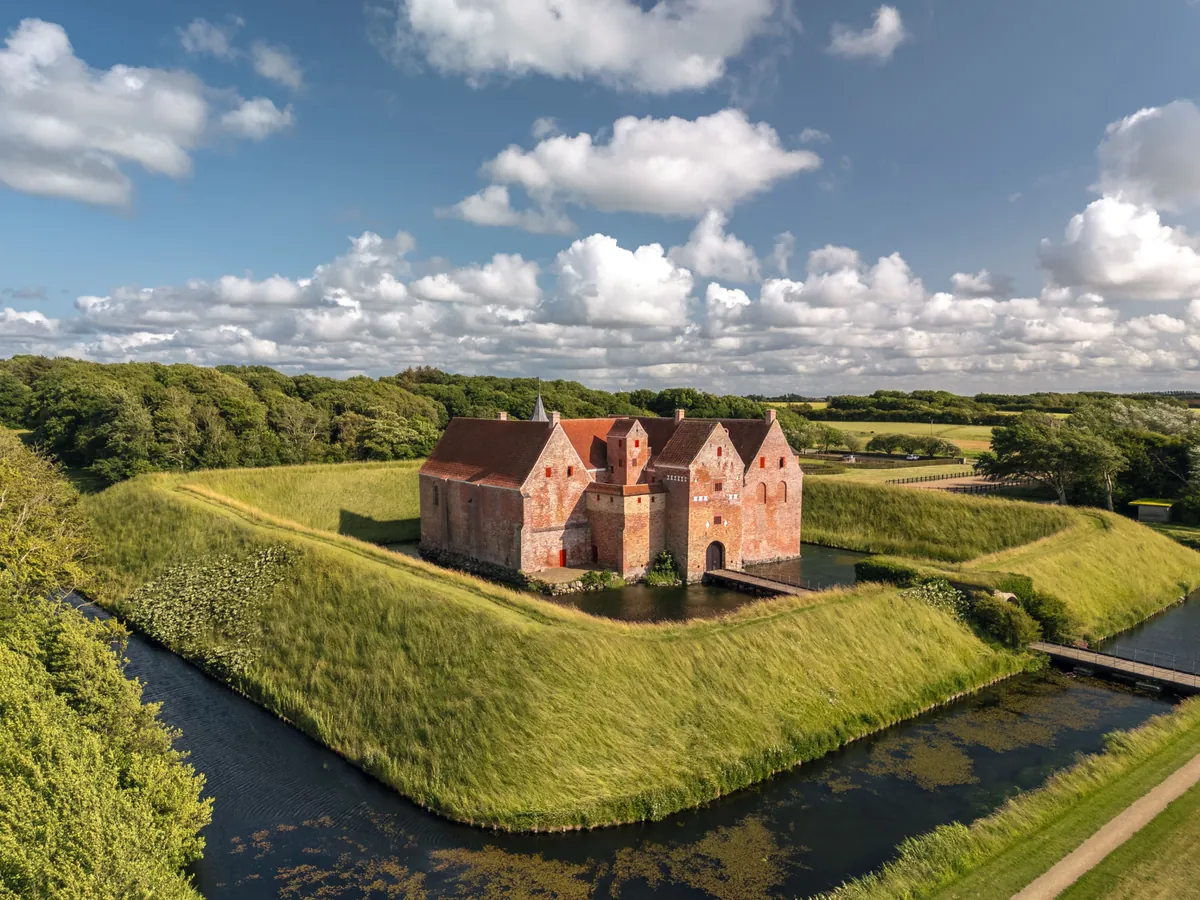
Today the castle functions as a museum open from mid-April to October, allowing visitors to explore its historic rooms, learn about life in the Middle Ages, and enjoy the surrounding scenic lake setting.
Nyborg Castle
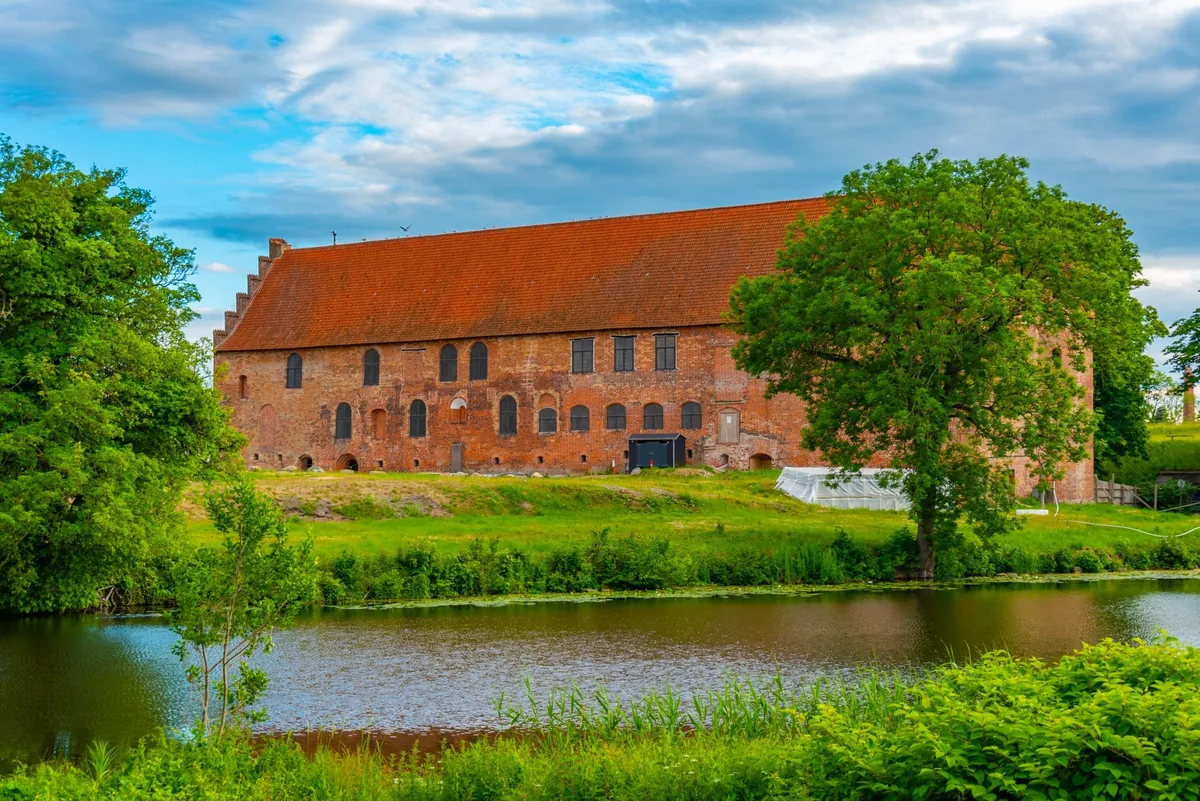
The castle today is part of the Østfyns Museum and open to visitors, offering insights into Denmark’s early governance and medieval life.
Jægerspris Castle
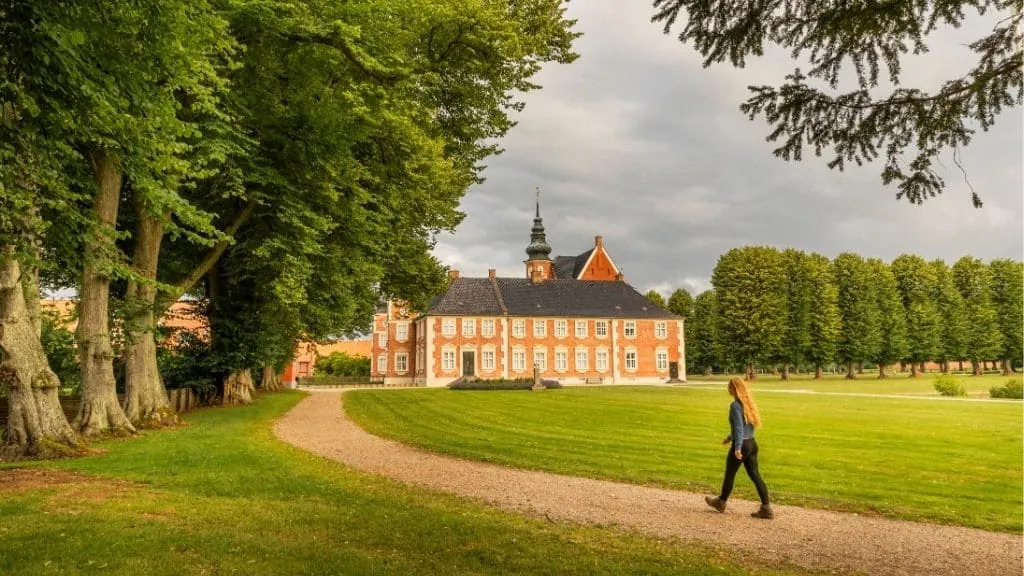
Architecture Styles of Castles in Denmark
The architectural styles of castles in Denmark reflect the country’s political evolution, military needs, royal ambitions, and cultural influences across nearly a millennium.
Rather than a single dominant style, Danish castles represent a layered architectural history that moves from medieval fortification to Renaissance palace, Baroque grandeur, and later romantic and historicist expressions. Each style carries distinct characteristics, functions, and historical contexts, and many castles display a combination of these styles due to renovations and expansions over centuries.
Medieval
The earliest and most foundational style of Danish castles is the medieval fortress, which emerged primarily between the 12th and 15th centuries. These castles were designed first and foremost for defense and control. Built from stone or brick, often with thick walls, narrow windows, towers, and enclosed courtyards, they were frequently surrounded by moats, ramparts, and drawbridges. Their placement was strategic, commonly located on elevated ground, along coastlines, near important trade routes, or at political boundaries. The architectural emphasis was on durability and military strength rather than comfort or decoration.
Examples of this style include Spøttrup Castle in western Jutland, which remains one of the best-preserved medieval fortresses in Denmark, and Nyborg Castle on Funen, which played a central role in medieval governance as the seat of the Danehof, Denmark’s early parliament. These castles were commonly used as military strongholds, administrative centers, and residences for local rulers, bishops, or royal representatives. They also served as prisons, storage facilities, and symbols of royal authority.
Renaissance
As Denmark entered the Renaissance in the 16th and early 17th centuries, castle architecture underwent a dramatic transformation. The Renaissance castle style emphasized symmetry, proportion, and aesthetic refinement while still retaining some defensive elements. This style was strongly influenced by Dutch and Northern European Renaissance architecture, resulting in red-brick facades, sandstone ornamentation, gabled roofs, decorative towers, and carefully arranged courtyards.
Unlike medieval fortresses, Renaissance castles were designed as royal residences and ceremonial spaces rather than purely military structures. Egeskov Castle on Funen is one of the finest examples, renowned as one of Europe’s best-preserved Renaissance water castles, combining defensive features such as moats and thick walls with refined architectural symmetry. Frederiksborg Castle in Hillerød represents the pinnacle of Danish Renaissance architecture, constructed by King Christian IV as a grand royal palace that expressed wealth, power, and cultural sophistication. Rosenborg Castle in Copenhagen also belongs to this era, originally built as a summer residence and later expanded into a royal palace. These castles were used primarily as royal residences, centers of court life, venues for diplomacy and ceremonies, and symbols of national power, while their defensive role became increasingly symbolic rather than practical.
Baroque
The Baroque style, which followed in the late 17th and early 18th centuries, introduced a new architectural language focused on grandeur, formality, and theatrical display. Baroque castles are characterized by monumental scale, axial layouts, grand staircases, richly decorated interiors, and extensive formal gardens arranged in geometric patterns. The architecture aimed to impress and convey absolute authority and royal magnificence.
While fewer Danish castles are purely Baroque compared to Renaissance ones, elements of Baroque design appear in later expansions and garden layouts of existing castles. For example, parts of Frederiksborg Castle’s gardens were redesigned in the Baroque style, and Fredensborg Palace, although more properly classified as a palace rather than a castle, exemplifies Danish Baroque architecture with its symmetrical layout and formal gardens. Castles of this style were primarily used as royal residences, ceremonial venues, and settings for diplomatic events, reflecting the centralized power of the monarchy and the influence of European court culture.
Neoclassical
In the 18th and early 19th centuries, the Neoclassical style became influential, particularly in royal and aristocratic architecture. Neoclassical castles and manor houses are characterized by clean lines, restrained ornamentation, balanced proportions, and inspiration from ancient Greek and Roman architecture. Columns, pediments, and symmetrical façades replaced the more ornate and dramatic elements of Baroque design.
While fewer Danish castles are strictly Neoclassical in form, several older castles were remodeled or expanded with Neoclassical features, particularly in their facades and interior layouts. These buildings were typically used as noble residences and administrative centers, reflecting Enlightenment ideals of order, rationality, and elegance rather than military power.
Neo-Gothic and Romantic
The 19th century saw the rise of Romanticism and Historicism, which led to a revival of medieval forms and a renewed fascination with castles as symbols of national heritage and nostalgia. This resulted in Neo-Gothic and Romantic castle styles, characterized by pointed arches, decorative battlements, turrets, asymmetrical layouts, and picturesque silhouettes designed to evoke the Middle Ages rather than replicate historical accuracy. These castles were often built or remodeled not for defense or administration, but as country residences, cultural symbols, and expressions of national identity.
An example is parts of the later restoration and romantic reinterpretation of castles such as Koldinghus, where modern reconstruction preserved medieval ruins while incorporating contemporary architectural solutions. These castles were used primarily as noble estates, cultural institutions, or royal retreats rather than military or administrative centers.
Across all these styles, Danish castles share a strong relationship with water and landscape, often built near lakes, rivers, or coastlines and surrounded by gardens, parks, and agricultural estates. This integration reflects both practical defensive considerations in earlier periods and aesthetic and leisure values in later ones. The evolution from fortress to palace, and from military outpost to cultural monument, is one of the defining characteristics of Danish castle architecture.
Castles for Sale in Denmark
Castle listings in Denmark are sparse and highly bespoke because they are rare and often privately held for generations by families or institutions.
Residential property prices in Denmark have been rising steadily, with the housing price index reaching record highs in 2025, indicating a broader trend of property value growth in the country.
A 700-year-old Danish estate with farmland and forested acreage near Randers (not a typical castle but a large historic estate) was recently sold after being listed at 190 million DKK (hundreds of millions of Danish kroner), showing how heritage estates with land can command very high sums.
Smaller historic manor houses or lesser-known estates can vary widely in price depending on condition, size, location, and land included. Some classic Renaissance manor houses can sell for tens of millions of kroner when they do enter private markets, whereas fully restored castles with extensive grounds and heritage protections will often be priced far above that, typically requiring multi-million-euro budgets on bespoke luxury real estate markets.
Because castle transactions are so rare, prices often aren’t publicly published and must be obtained through specialist brokers like the Castlelist.
Purchasing historic property in Denmark
Under Danish law, foreign individuals and companies who are not residents of Denmark and who have not lived in the country for at least five years must obtain permission from the Danish Ministry of Justice (Department of Civil Affairs) before acquiring real estate. This requirement applies to all types of property, including castles and historic estates.
For citizens of the EU, EEA, or Switzerland, the rules are somewhat more flexible. EU/EEA citizens may acquire property without specific Ministry permission if they intend to use it as their primary residence or are establishing business activities in Denmark. Otherwise, if they don’t meet typical domicile or residency conditions, they still may need to apply for approval.
The Department of Civil Affairs is the body that issues these permissions. Applicants generally need to demonstrate a genuine connection to Denmark (such as residence, business ties, or long-term family associations) and specify how the property will be used. Approval can take several weeks, and documentation must be processed before the sale is finalized.
Once permission is obtained (if needed), ownership of real estate in Denmark must be registered in the Danish Land Register (Tingbogen) to be legally recognized. Registration records the deed, purchase price, and any encumbrances. There is a fixed fee plus a variable registration tax based on the purchase price.
While notarization is not required in Denmark (unlike some other European countries), buyers will typically work with legal counsel and real estate advisors to ensure contracts, title searches, heritage protections, and conveyancing are properly handled.
Castle Tourism in Denmark
Tourism in Denmark, and castle tourism in particular, is an important and distinctive part of the country’s travel industry, blending deep historical heritage with modern visitor experiences. Danish castles serve as cultural landmarks, educational venues, leisure destinations, and in some cases even hospitality businesses themselves, allowing both local and international visitors to engage with history in immersive ways.
Most of Denmark’s major castles are integrated into the country’s broader cultural tourism offerings. Many historic castles today operate as museums or cultural attractions open to the public, such as Rosenborg Castle in Copenhagen, which houses the Royal Treasury and Crown Jewels and draws millions of visitors each year to its historic interiors and gardens. Rosenborg’s adjacent gardens alone attract an estimated 2.5 million visitors annually, illustrating how castle sites contribute not just through ticket revenues but also as enduring public spaces that strengthen urban tourism appeal. Other major castle attractions like Kronborg Castle host year-round historical exhibits, guided tours, and cultural festivals, attracting visitors interested in literature, history, and European heritage.
While most historic castles in Denmark function as museums or heritage sites, a number have been repurposed to operate as high-end accommodations. Dragsholm Castle, for example, exists today both as a historic site and a hotel, offering guest rooms, acclaimed restaurants, event spaces, and wedding venues on its grounds. This model, where hospitality services are integrated with historic ambiance, creates a unique tourism niche that appeals to travelers seeking luxury experiences in heritage settings. Similarly, Hvedholm Castle on the island of Funen operates as a slotshotel (castle hotel) with dozens of guest rooms and extensive parkland, demonstrating how historic properties can be adapted into the hospitality sector while maintaining much of their original character.
Economic Impact of Castle Tourism
Although there isn’t a precise publicly available count of exact tourism revenues derived specifically from castle visits, tourism overall is a significant contributor to the Danish economy and supports cultural heritage sectors like castles. Prior to the COVID-19 pandemic, inbound and domestic tourism spending in Denmark reached approximately DKK 139.2 billion (€18.7 billion) and accounted for multiple percentage points of the nation’s GDP, with direct and indirect tourism contributions estimated at around 2 – 4 % of GDP and employing a substantial portion of the workforce in hospitality, leisure, attractions, and related services.
For potential castle buyers in Denmark, this tourism context presents clear opportunities but also responsibilities. Using a castle in tourism requires collaboration with regional tourism organizations like VisitDenmark, local municipal tourism offices, and cultural heritage bodies that oversee preservation standards. Many of these authorities encourage sustainable tourism practices and can help owners navigate regulatory requirements related to historic preservation, safety, and visitor services, ensuring that heritage tourism development enhances both the property’s value and the visitor experience.