
Who Buys Castles (And Why) in 2026? Inside the World of Castle Buyers
Americans lead castle demand. Legacy buyers, investors, restorers, and brands all want in. Which type are you?
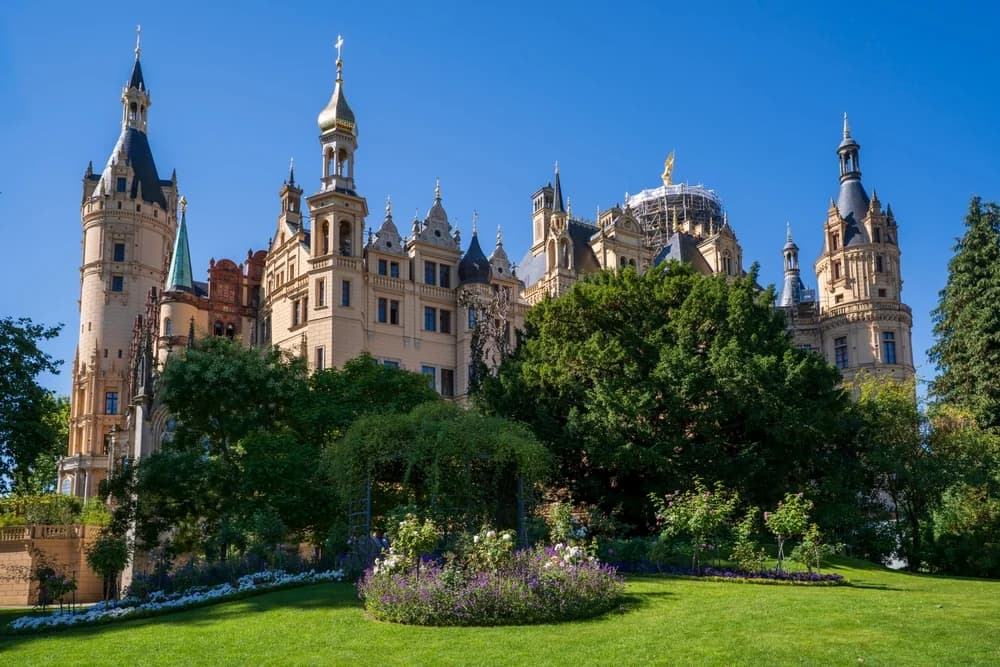
Americans now generate 30% of all European castle inquiries, more than any other nationality. But castle buyers aren't a monolith. They fall into distinct archetypes, each driven by different motivations: legacy, yield, lifestyle, or leverage.
Understanding who buys castles reveals not just where the market is heading, but which properties sell fastest and why.
Unlike conventional luxury real estate, castles attract intentional buyers. If you're asking, "Buying a castle—who is it for?", the answer is anyone willing to approach ownership with clarity and commitment. No one impulse-purchases a 15th-century fortress.
The acquisition process typically spans months or years, involves heritage consultants and structural engineers, and demands clarity about what ownership actually means. For some, it's a generational asset. For others, a business.
For a growing number, it's a lifelong project documented for millions of YouTube subscribers.
Let’s break it down and see who’s involved in the castle buying market in 2026.
Who Are the Main Castle Buyers?
Castle buyers fall into five primary archetypes:
- Private legacy buyers seeking generational estates,
- Hospitality investors chasing yield
- Restoration-driven buyers pursuing the château dream
- Brand and cultural buyers leveraging heritage for storytelling
- Institutional or trust buyers protecting patrimony.
Each approaches the market with fundamentally different priorities—and fundamentally different budgets.
The balance has shifted dramatically since 2020. American buyers surged from just 2% of non-resident purchases pre-pandemic to 14% at leading French agencies, while the "château DIY" phenomenon has minted an entirely new demographic of hands-on restorers.
Meanwhile, Chinese investors who once snapped up 150+ Bordeaux estates are now offloading properties at steep discounts as capital controls and shifting consumption patterns reverse that wave.
What Motivates Private Legacy Buyers?

For this demographic, ownership represents what luxury behavioral consultants call "symbolic confirmation of their rise." When someone builds significant wealth, a castle offers something no penthouse can: centuries of provenance attached to their family name.
Middle Eastern royal families have become particularly active in the UK market, acquiring what Sotheby's describes as "the largest and most important stately homes" across the Cotswolds and Scottish Highlands.
These buyers prioritize move-in-ready condition with modern amenities—underfloor heating, wellness suites, staff quarters—while preserving historical character. Privacy, acreage, and heritage listing status matter enormously. Quick financial returns do not.
Trophy transactions confirm the ceiling: Czech billionaire Daniel Kretinsky acquired Château du Marais for €43 million in 2022, while Château Louis XIV holds the record at €301 million.
Legacy buyers compare castle ownership to collecting fine art or vintage cars—treasures held and enjoyed over decades rather than flipped for profit.
Why Do Hospitality Investors Buy Castles?

Successful hospitality conversions require careful property selection. Minimum viable scale sits at eight to twenty bedrooms for boutique operations, with fifteen to twenty rooms needed for meaningful profitability.
Location within two hours of a major airport, approved commercial zoning, and existing infrastructure all accelerate conversion timelines and reduce capital requirements.
Wedding venue economics drive many acquisition strategies. Castle weddings command 30–50% premiums over standard venues, with successful properties generating €650,000 or more annually at 20% profit margins.
Germany's castle wedding market accounts for 35% of destination weddings nationally, while multi-day wedding formats now represent nearly 65% of European destination events. For investors seeking yield rather than personal use, the numbers work—provided they select the right property in the right location.
Are Restoration Projects a Realistic Option?
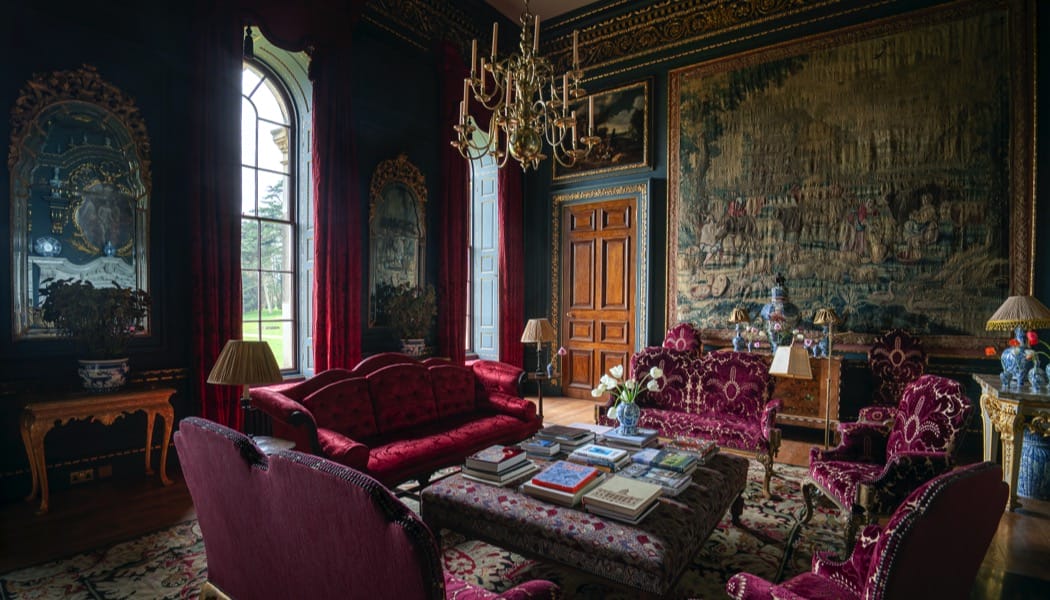
Restoration-driven buyers typically fall into three categories: pre-retirees seeking a final chapter project, entrepreneurs pivoting to hospitality businesses, and, critically, buyers with construction backgrounds who can halve renovation costs through hands-on work. British investors often bring renovation expertise from UK heritage projects.
Australian and American buyers frequently fund restorations through YouTube advertising, paid subscriptions, and merchandise sales, turning their châteaux into content businesses.
Social media has become the primary demand driver.
Channels like "The Château Diaries" (160+ million views and over 270,000 subscribers) and restoration accounts collectively generate hundreds of millions of views annually. When Saving Castles featured Château de Gizeux, the video generated 600,000+ views and immediate tourism enquiries.
But restoration is not for the faint-hearted. Renovation costs run €700 to €1,500 per square meter, and budgets routinely triple—one New York couple's €1 million estimate ballooned to nearly €3 million.
Only around 34 architects in France hold the elite accreditation of Architecte en Chef des Monuments Historiques (ACMH), required for work on state-owned classified monuments.
Buyers with construction backgrounds flourish because they can project-manage contractors, identify structural issues before purchase, and complete finishing work themselves. Those without relevant experience face a steeper learning curve and significantly higher costs.
The dream is real, but it demands honesty about your skills, timeline, and financial reserves. The most successful restoration buyers treat their château as a ten-year project, not a two-year flip.
Do Brands and Celebrities Buy Castles?
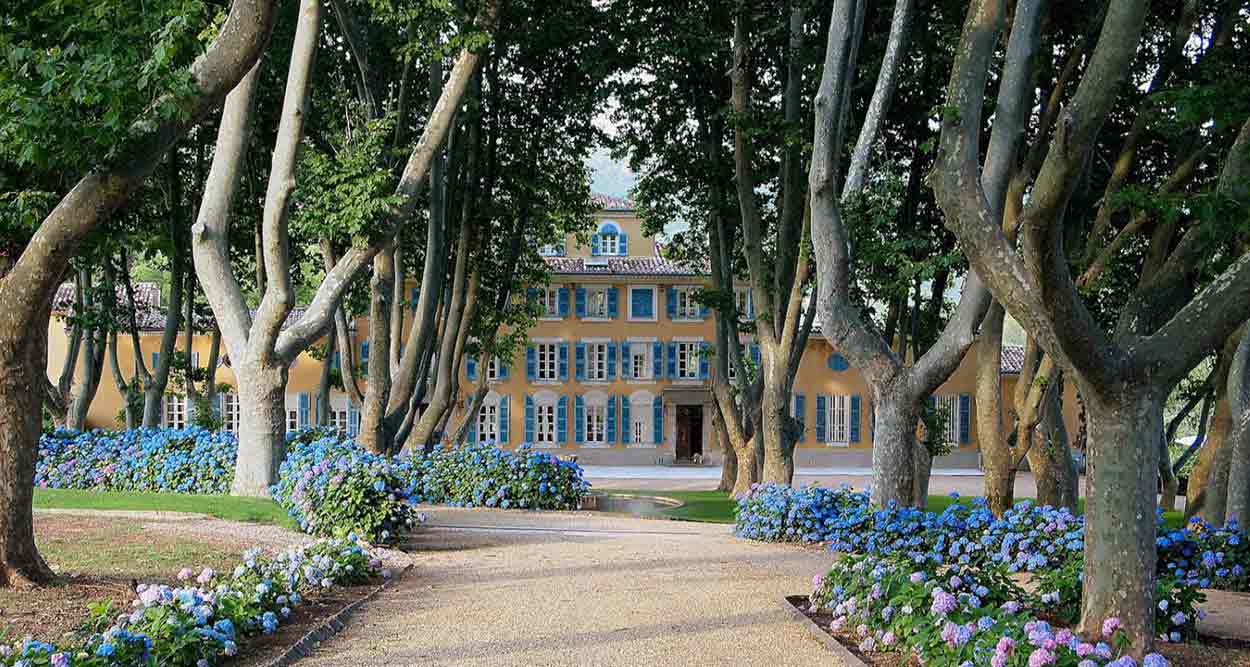
For brands, castles aren't homes. They're storytelling assets that anchor marketing campaigns in centuries of provenance.
Chinese investors' Bordeaux wave demonstrates both brand ambition and its limits. Over 150 properties changed hands between 2011 and 2019, driven by the logic that successful Chinese businesspeople "drive a German car, wear a Swiss watch, and drink French wine." Actress Zhao Wei accumulated five châteaux; Jack Ma acquired two 18th-century estates.
That wave has reversed. Capital controls and declining Chinese wine consumption — down 25% in 2023—have pushed approximately 50 Bordeaux châteaux back onto the market, some at dramatic discounts. Château Latour Laguens, originally purchased for €2 million and now with its vineyards gone, recently appeared at auction for €150,000.
For brand-motivated buyers, the lesson is clear: castles can amplify a narrative, but they require ongoing commitment to deliver returns.
What Role Do Institutions and Trusts Play?
France's Fondation du Patrimoine partners with private owners through Mission Patrimoine, providing heritage lottery funding and tax-deductible donation mechanisms that make stewardship financially viable.
Family offices—numbering over 2,000 in Europe—increasingly view castle assets through a portfolio lens. Real estate allocation rebounded to 39% of family office portfolios in early 2025, the highest since 2019.
Heritage properties align naturally with multi-generational thinking, and tax incentives sweeten the proposition: France's Monument Historique law allows owners of listed properties to deduct restoration costs when properties open to the public, while UK buyers benefit from capital gains exemptions on primary residences.
For institutional buyers, castles represent preservation as much as investment—cultural stewardship that also happens to offer favorable tax treatment and long-term capital appreciation.
What Do Different Buyers Value Most?
Buyer priorities diverge sharply across archetypes. Legacy buyers prioritize prestige, privacy, and move-in condition—they'll pay premium prices for turnkey estates with modern amenities and avoid properties requiring significant work. Hospitality investors prioritize cash flow potential, commercial zoning, and proximity to transport links—architectural grandeur matters less than bedroom count and wedding venue licensing.
Restoration buyers invert this calculus entirely. They seek undervalued properties with "good bones" — sound structure, manageable scale, and room for improvement. Price matters enormously; prestige matters less.
High renovation tolerance is the defining characteristic, and construction experience separates those who thrive from those who struggle.
Brand buyers prioritize narrative value—heritage, location, visual distinctiveness—over financial returns. Institutional buyers balance preservation mandates with portfolio considerations, often accepting below-market yields in exchange for tax benefits and cultural stewardship.
Which Castles Sell Fastest?
Transaction data reveals some pretty clear patterns. The €700,000 to €2.5 million segment moves fastest, particularly for properties within two hours of major airports. Features that accelerate sales include swimming pools, approved wedding venue licensing, energy-efficient heating systems, and—increasingly—turnkey condition. Large estates requiring extensive work can languish for up to six years.
American buyers "generally remain reluctant to embark on significant works of refurbishment," per market analysts, favoring livable properties over restoration projects. Younger buyers show greater renovation tolerance, but still prioritize properties where the heaviest structural work is complete.
The implication for sellers: condition and commercial potential matter more than historical pedigree. The implication for buyers: know which archetype you are, and search accordingly. Castle buyers who understand their own motivations—legacy, yield, lifestyle, or leverage—find properties faster and negotiate better.
Those who conflate archetypes often discover, expensively, that the château of their dreams doesn't match the ownership experience they actually wanted.