
Who Should NOT Buy a Castle: What to Know Before You Commit
90% of châteaux aren't correctly maintained. Flippers fail. Dreamers struggle. Here's who shouldn't buy—and who thrives.
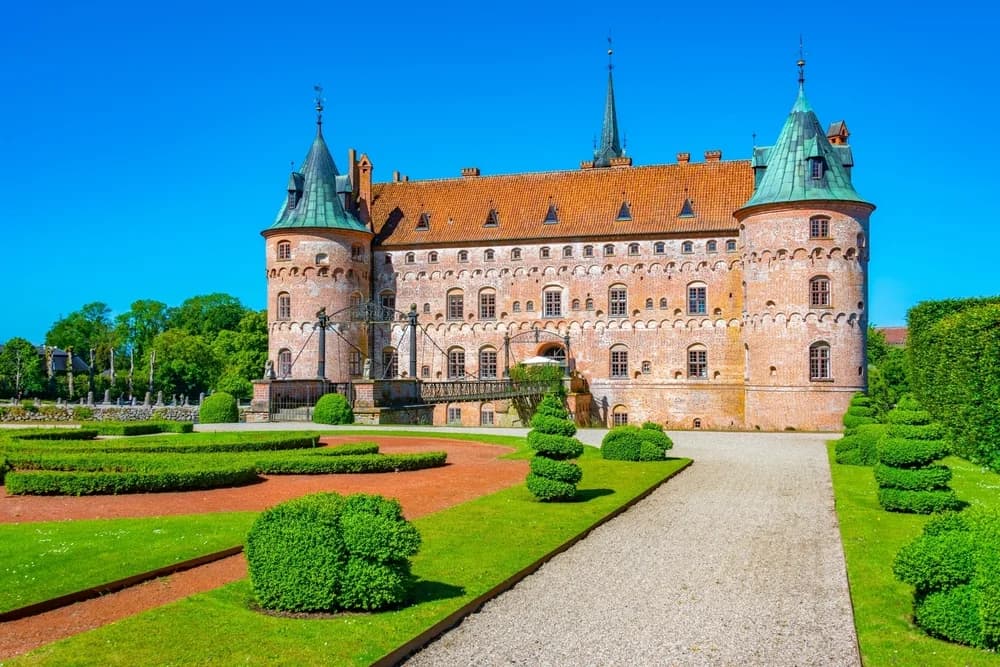
Castles reward the prepared and punish the uncommitted.
Over 4,000 châteaux are currently on the French market — nearly four times the inventory a decade ago — and experts estimate that 90% of existing châteaux aren't adequately maintained.
However, these aren't statistics about market opportunity. They're warnings about what happens when buyers treat heritage properties as aspirational toys rather than complex assets requiring genuine stewardship.
If you're asking, "Should I buy a castle?", the honest answer depends entirely on which type of buyer you are. Some profiles thrive. Others face financial ruin, failed marriages, and properties sold for €1 after years of struggle.
This guide helps you determine which category you fall into before you sign anything.
Should I Buy a Castle If I'm Looking for a Quick Flip?
No. The château market punishes speculation with brutal efficiency.
Consider Château de l'Espinay in Brittany: listed for over five years at €2.7 million without finding a buyer. Its 79-year-old owner, described by market analysts as "prone to overvaluing what that history is worth," discovered that castles don't appreciate on convenient timelines. The average château sits on the market for 18 months. Difficult properties languish far longer.
The economics simply don't support flipping. Renovation costs routinely match or exceed purchase prices, while values have declined approximately 30% since 2015. "In 90 percent of cases, the answer is no, it doesn't make a good investment," warns Gaëlle Perreaux-Booth of FrenchEntrée Property Services.
"If you're looking to buy a property in need of TLC, knock it into shape, and put it back onto the market in the hope of earning a quick profit, a château may not be the right choice."
Successful castle owners hold for the long term.
Dick and Angel Strawbridge have owned Château de la Motte-Husson since 2015. The Waters family at Château de Gudanes purchased it in 2013, with restoration ongoing after twelve years.
Clearly, these are lifestyle commitments measured in decades, not casual flipping projects.
Is Owning a Castle a Bad Idea If You Have Low Renovation Tolerance?
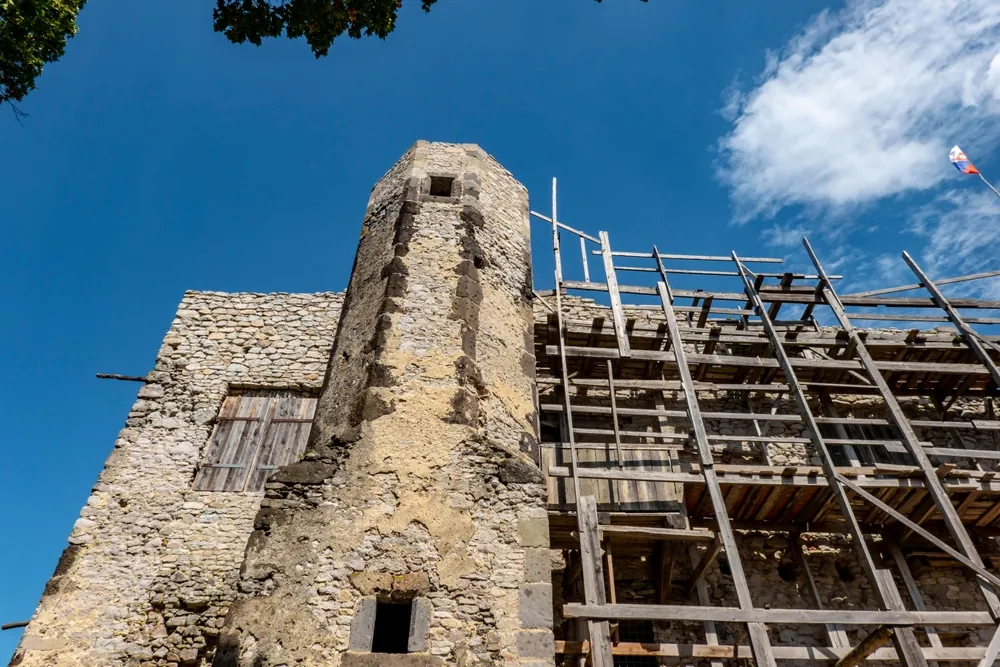
Julia Leach and Caroline Ibarra purchased their 750-year-old château in France's Charente region for $2.6 million with a $1 million renovation budget. That budget tripled to nearly $3 million. Structural surveys had revealed problems, but reality proved worse: leaks throughout the building, sewage backups, outdated electrical systems, and earthquake damage requiring intervention.
"It is becoming completely unaffordable," Leach told interviewers. "It was more like crushing responsibility and panic." Her parents sold their family home in La Jolla, California, to keep the project alive.
Sadly, this is a typical case.
At Kilmartin Castle in Scotland, owners faced a 119% budget overrun. Plumbing alone illustrated the escalation: initial quote £5,000, revised to £27,000, final cost £42,000 — a 746% increase from the first estimate.
Industry experts now advise doubling whatever timeline you've planned and setting aside 50% of the purchase price for immediate renovations.
What separates survivors from casualties?
Specialised skills or resources to hire expertise.
Dick Strawbridge's military engineering background eliminated contractor dependency for many tasks. Karina Waters at Château de Gudanes spent her first winter living in a tent inside the unheated building while supervising work. Tim Holding and Felicity Selkirk at Château de Purnon hired France's chief architect of Versailles.
These buyers either possessed relevant skills or the financial depth to access world-class help.
What Are the Castle Ownership Risks for Low-Maintenance Seekers?
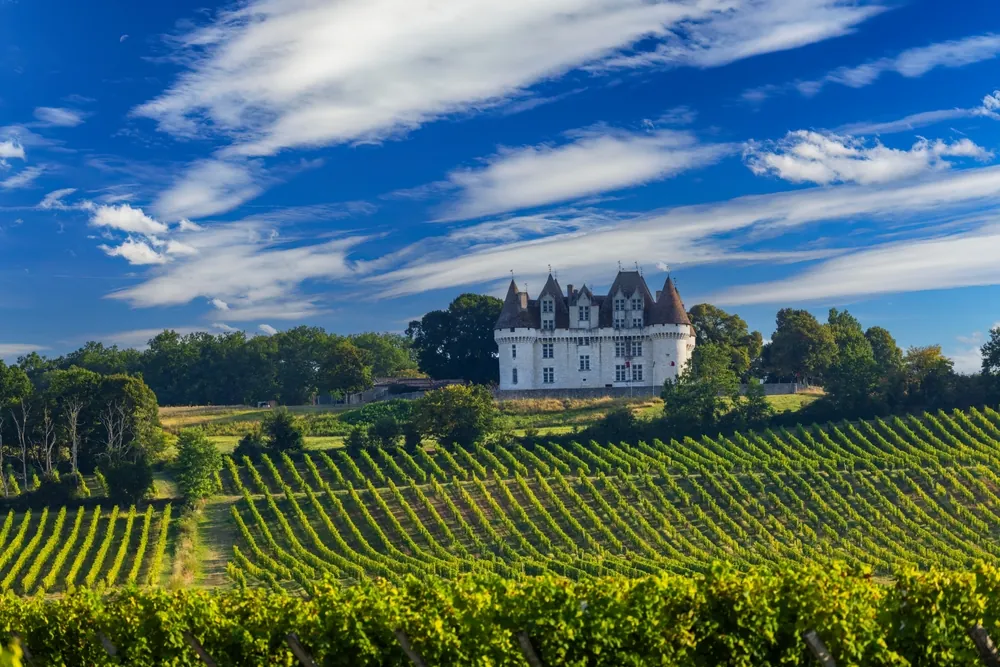
Annual maintenance costs for a medium-sized château run approximately €80,000 per year. Larger estates with extensive grounds require €160,000 or more just for gardener and groundskeeper salaries. Lord Dalhousie's Scottish castle costs $344,000 annually to maintain. Even modest heritage properties demand €10,000–30,000 yearly — before any renovation work begins.
Adrian Leeds, whose firm has advised château buyers for decades, describes a client's situation: "We have clients buying a very large and expensive château near Poitiers, even after I begged them not to do it. There is nothing simple about the transaction or what they are about to experience as owners, not to mention the associated costs, mostly hidden from the outset of the purchase."
The maintenance burden includes property taxes (€2,000–50,000), groundskeeping (€5,000–30,000), staff costs (€30,000–100,000), and energy bills that can exceed €50,000 annually for traditional heating systems.
Cabinet Le Nail estimates 90% of châteaux in France aren't adequately maintained because their owners lack sufficient funds.
Owners who thrive understand maintenance as an operational challenge requiring permanent income solutions. The Strawbridges built their wedding venue business to fund continuous restoration. Château de Gudanes generates revenue through guest stays, Instagram partnerships, and a published book.
Château de Lalande's owner launched a YouTube channel during the pandemic that now supports both the property and volunteer restoration crews. None of these owners treats their château as a passive asset.
Why Do Buyers Without Clear Usage Plans Fail?
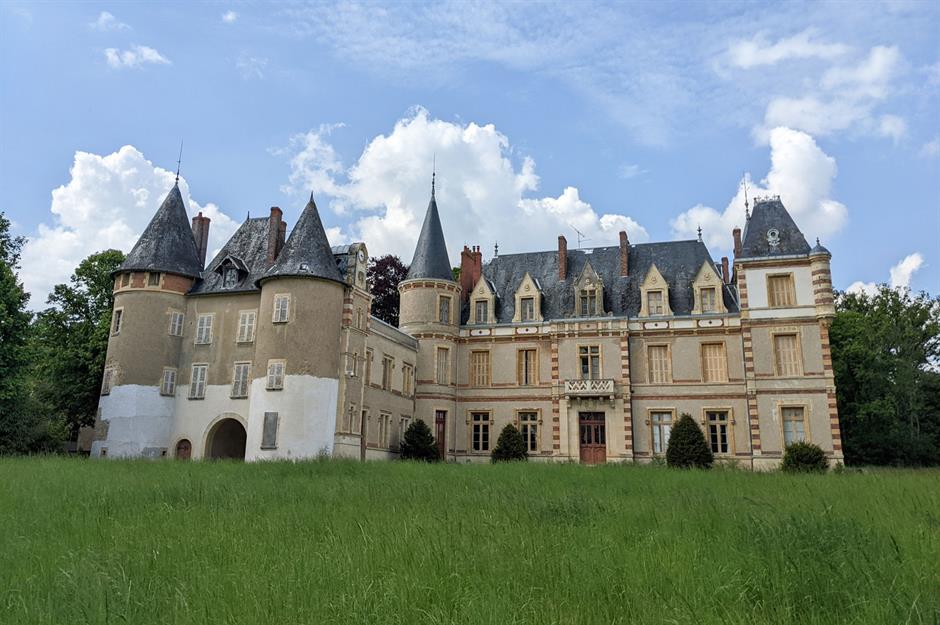
Château de la Chasseigne's fate illustrates what happens when vision evaporates. A local architect purchased the property in 2003 and attempted restoration for fourteen years before selling it for €1 in 2017 to Indonesian real estate investors. Those buyers visited once to sign documents and were never heard from again. Taxes went unpaid. Vandals moved in.
The property now stands as a monument to uncommitted ownership.
Italy's 2017 programme offering 100+ free castles attracted few takers despite zero purchase costs. The catch, which was nine-year restoration requirements with government reclamation if unmet, proved too constraining for buyers without clear business models.
Heritage-listed properties compound the planning imperative. Class I monuments require government approval for any modifications. Materials must be authentic. Modern additions are frequently prohibited. Buyers who purchase without understanding these constraints discover their options severely limited.
Successful owners arrive with crystallized visions.
Angel Strawbridge had already built The Vintage Patisserie into a successful hospitality brand before purchasing their château, and the business relocated seamlessly.
The Waters family chose deliberate "slow restoration" aligned with heritage requirements rather than fighting preservation rules. These weren't plans developed after purchase. They were strategies executed from day one.
Can You Finance a Castle Purchase With Debt?
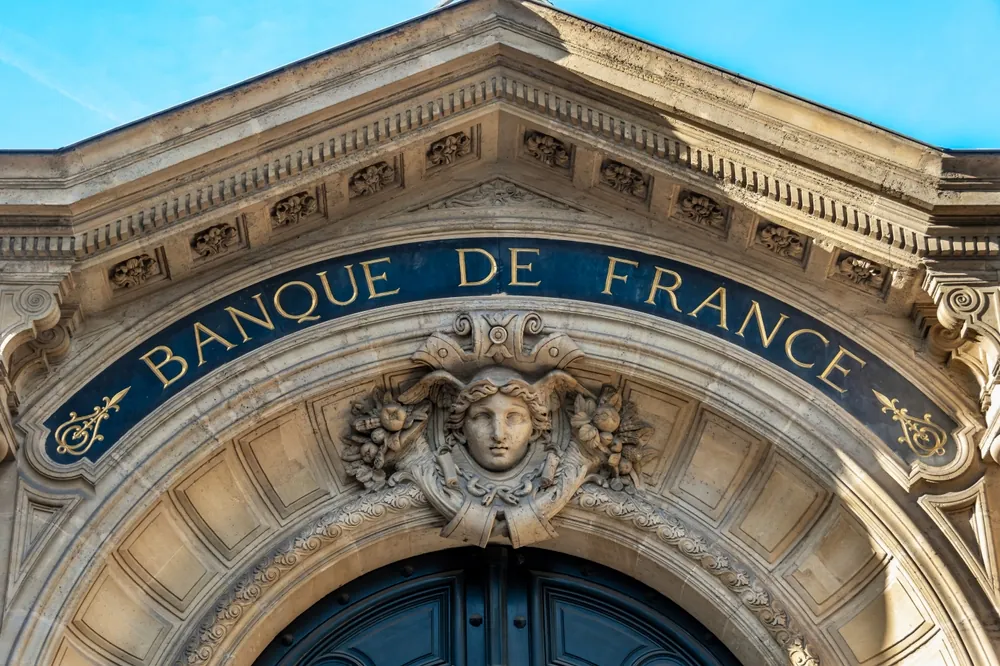
"For the bank, all the red lights are on."
Where mortgages exist, maximum loan-to-value ratios cap at 50% versus 85% for conventional French properties. Properties classified as châteaux are often entirely excluded from standard lending parameters. One forum participant summarised bluntly: "No bank is going to lend 80% to anyone to buy a Château in France.
The result is a market dominated by cash buyers.
The château market "is not as exposed to rises in interest rates as the traditional market, as first-time buyers are rare and buyers often do not need to borrow." Leveraged buyers who proceed regardless face compounding pressures. Julia Leach's renovation spiral forced her parents to sell their family home in La Jolla, California, to help finance the project. Another couple's story "ended in divorce, and a château with only a couple of rooms that were trulylivablee."
If you cannot purchase with cash or minimal leverage while maintaining two to three years of operating reserves, you're competing against buyers who can — and the market will remind you of that disadvantage at every turn.
Who Should Buy a Castle?
This article is about risk management. The profiles above represent perhaps 70% of prospective buyers who lack the characteristics that predict success.
The remaining 30% share consistent traits. They arrive with specialized skills—engineering backgrounds, hospitality experience, heritage expertise, or the financial depth to hire world-class professionals.
They hold clear commercial visions before signing contracts: wedding venues, B&Bs, and content creation strategies are already planned. They budget 50% of the purchase price for immediate renovations plus annual maintenance reserves. They expect timelines to double and budgets to exceed estimates.
Most importantly, they approach ownership philosophically.
"There's no way the income will recoup the costs," admits one current château owner spending €1.15 million on restoration. "We come into this world with nothing and will go out with nothing." This acceptance—that the château consumes wealth rather than generates it—separates survivors from casualties.
Castles are for stewards, not spectators.
The question isn't whether you can afford to buy. It's whether you can afford to own—year after year, decade after decade, through budget overruns and structural surprises and energy crises you haven't yet imagined.
If this guide gave you pause, it did its job. For the right buyer, nothing compares. For the wrong buyer, nothing forgives.