
Buying a Castle: Dream Purchase or Financial Nightmare?
Turrets. History. Romance. Yes, the bills arrive. Budgets can triple. But for the right buyer? A legacy beyond price. Here's how to get it right.
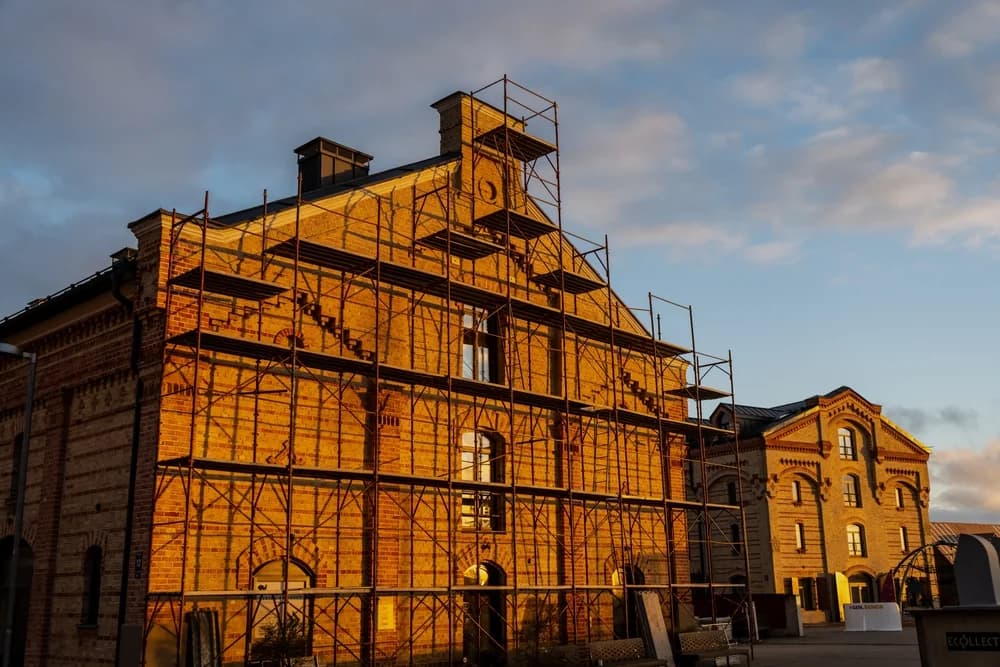
The fantasy of castle ownership captures imaginations worldwide. Turrets silhouetted against misty highlands, great halls echoing with centuries of history, private grounds stretching to the horizon.
For those with the means to pursue it, acquiring a heritage fortress represents the ultimate expression of historical stewardship.
Yet between the dream and reality lies a chasm that has swallowed fortunes and shattered expectations.
Old statistics show that an estimated 90% of French châteaux remain inadequately maintained because owners cannot afford the upkeep. More modern sources show that France has over 45,000 protected monuments, châteauxs included, of which a large percentage is owned by public authorities and private owners.
Because renovation budgets routinely triple, properties that seemed like bargains become relentless financial drains, and the financial burden of hundreds of thousands of spending annually can result in properties becoming increasingly uncared for, which is estimated to be the case for an estimated quarter of French properties in this bracket.
This guide examines castle ownership with clarity, balancing the genuine appeal of heritage property acquisition against the hidden costs, restoration challenges, and practical realities that determine whether your castle becomes a treasured legacy or an expensive regret.
What Makes Castle Ownership So Appealing?
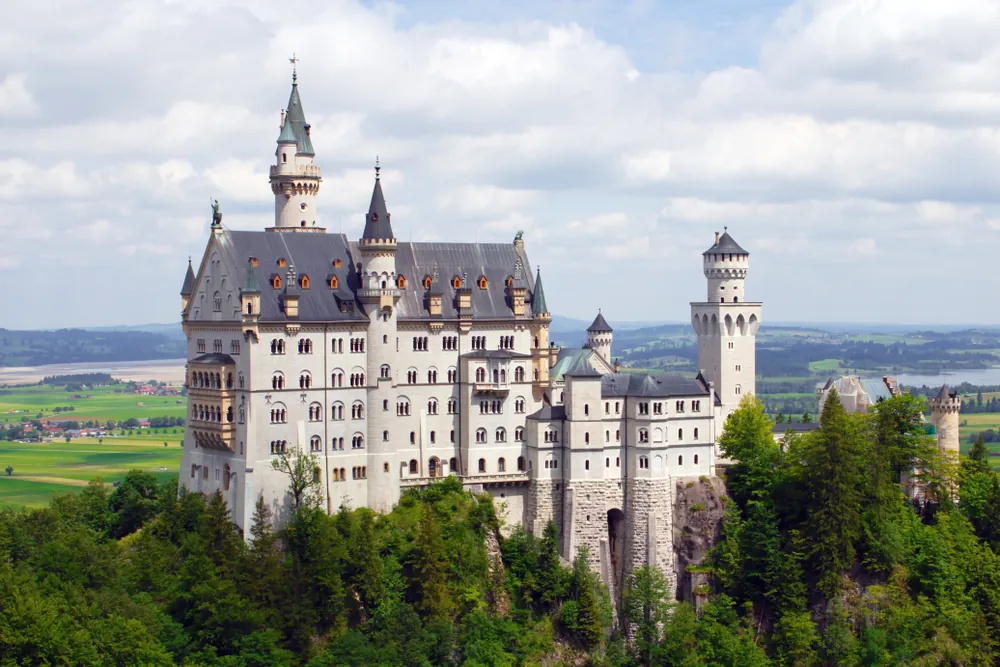
A Life Beyond the Ordinary
These structures have witnessed coronations and sieges, sheltered generations of aristocratic families, and shaped the political landscape of entire regions. To hold the keys is to become custodian of irreplaceable cultural heritage.
The practical benefits extend beyond historical romance. Castles provide extraordinary privacy, with estates often spanning dozens or hundreds of acres. The sheer scale permits customization impossible in conventional properties.
For ultra-high-net-worth individuals, castles serve as fourth, fifth, or even sixth residences, providing venues to showcase art collections and entertain in settings that command immediate respect. As Penny Mosgrove of Quintessentially Estates observes, ownership is fundamentally about possessing something truly unique rather than merely expensive.
Scarcity as Investment Thesis
Unlike virtually every other asset class, the supply of authentic historic castles cannot increase. No developer can construct a 14th-century fortress.
Around the globe, there are typically hundreds, if not thousands, of castles available at any given time, all in varying states and conditions.
Germany contains an estimated 25,000 castles and castle ruins, though France offers the most private châteaux available for purchase, exceeding 45,000 properties.
While expansive, this is a finite inventory, combined with growing interest from American and Chinese investors, which suggests long-term value preservation for well-maintained properties.
Income Generation Potential
Modern castle owners increasingly operate their properties as commercial ventures. Wedding venues represent the most common application - properties featured in Escape to the Chateau command fees up to £38,000 per celebration.
Dick and Angel Strawbridge transformed their 45-room Château de la Motte-Husson, purchased for £280,000 in 2015, into a hospitality business now valued at approximately £2 million.
Their success reflects a broader trend: the global castle hotel market reached $2.9 billion in 2024, with projected growth of 7.2% annually through 2033.
What Are the True Costs of Castle Ownership?
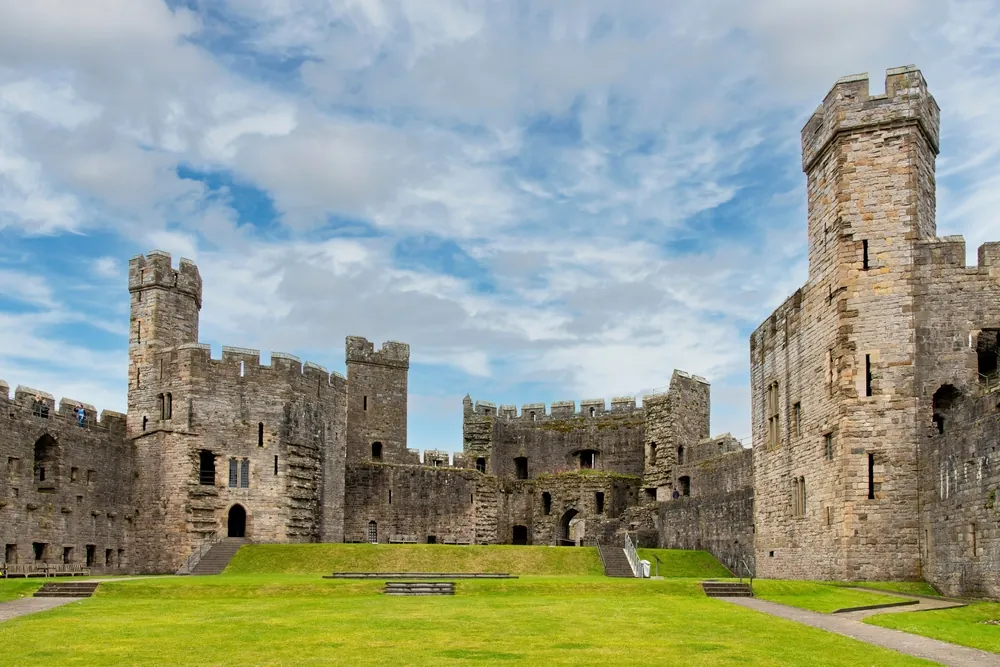
The acquisition cost represents merely the opening chapter. Larger or more demanding properties can reach €500,000 to €1,000,000+ annually, according to Castle Tourist.
Lord Dalhousie, who listed his family's 36,000-square-foot Scottish estate in 2021, disclosed annual operating costs of approximately $344,000.
His observation has become a mantra among castle owners: "Owning a castle is like owning a yacht. There are always things that need doing, and it is quite hard without a large crew."
Expense Category | Annual Cost Range |
Routine maintenance | €10,000–€50,000 |
Energy and utilities | €10,000–€30,000 |
Insurance | €5,000–€20,000 |
Staffing | €30,000–€100,000+ |
Grounds maintenance | €10,000–€30,000 |
Contingency (unexpected repairs) | 10%–30% of above |
Heating and Energy.
Historic stone structures present formidable challenges.
Edinburgh Castlespent nearly £195,000 on electricity and £103,000 on gas in a single year. Energy upgrades can cost €10,000 to €100,000, and many listed properties prohibit double glazing in historically significant windows.
Insurance. Standard policies cannot cover heritage properties. Specialist insurers such as Ecclesiastical, Hiscox, and Castleacre provide tailored coverage at €5,000 to €20,000 annually. A 2007 study found 55% of listed buildings were underinsured.
Staffing. Full-time caretakers command €30,000 to €50,000 annually. One French château owner noted that simply cutting the grass consumed 17 hours per session.
What Restoration Challenges Should Buyers Expect?
Restoration costs typically range from €500 to €1,500 per square meter. A 500-square-meter château requiring comprehensive renovation might demand €250,000 to €750,000 in restoration alone - and budgets routinely triple as hidden problems emerge.
Common Structural Issues
Roofs represent the most critical concern; water infiltration accelerates decay throughout the structure. Timber elements suffer from rot and woodworm accumulated over centuries. Rising damp affects virtually all historic masonry buildings. Stonework deteriorates through weathering and inappropriate previous repairs.
Regulatory Complexity
Heritage properties operate within strict frameworks. In the UK, Listed Building Consent is required for any alterations affecting character. France imposes similar requirements through Monument Historique classification, requiring Ministry of Culture authorisation.
Owners cannot simply replace original features with modern alternatives. Historic windows must be repaired rather than replaced. Lime mortar rather than cement, handmade rather than machine-cut stone, traditional rather than synthetic paints - every material choice becomes a compliance issue.
Materials and Craftspeople
Authentic restoration requires materials that may no longer be commercially manufactured. Skilled craftspeople capable of working with historic structures command premium rates and book months or years in advance. Lead eaves troughs cost up to £330 per yard. Slate roofing runs approximately £150 per square yard.
Case Studies
The experience of Julia Leach and Caroline Ibarra, documented by Saving Castles, illustrates how dreams become nightmares.
Their initial $1 million budget ballooned to nearly $3 million. Describing the experience, Leach observed that ownership became "more like crushing responsibility and panic."
Dunvegan Castle in Scotland has invested approximately £6.6 million in restoration since 2008, with approximately £4 million in vital works still outstanding.
Conversely, the Strawbridge family's transformation of Château de la Motte-Husson demonstrates that success is possible with appropriate skills and diversified income streams.
Who Is Castle Ownership Right For?
Successful castle ownership correlates with deep financial reserves (purchase price as a fraction of available capital), hands-on capability or project management expertise, patience with bureaucracy, language skills, entrepreneurial mindset, genuine passion for heritage, and a long-term perspective spanning decades.
Types of Owners Who Thrive:
- Experienced renovators and property developers who understand construction and budget discipline
- Hospitality entrepreneurs who can execute commercial applications
- Couples combining complementary skills - engineering with design, for example
- Ultra-high-net-worth individuals treating castles as supplementary residences
- Remote workers with location-independent income who can occupy properties continuously
Warning Signs for Unsuitable Buyers: Those seeking turnkey properties at bargain prices
- Buyers with fixed, inflexible budgets
- Urbanites uncomfortable with rural isolation
- Pure investors expecting financial returns
- Those without time for ongoing management
How Should Prospective Buyers Approach the Process?
Buyers should commission specialist structural surveys, research regulatory restrictions before purchase, model costs at triple initial estimates, conduct local reconnaissance across seasons, and build professional networks including heritage architects and conservation specialists.
Due Diligence Essentials:
- Structural surveys by specialists experienced with historic buildings - general surveyors lack expertise for period-specific issues
- Regulatory research establishing permissible modifications and heritage restrictions
- Cost modeling incorporating restoration, maintenance, staffing, utilities, insurance, and contingencies at triple initial assumptions
- Local reconnaissance across seasons, revealing practical considerations from shopping access to climate conditions
Financial Structuring:
- Currency considerations - Euro-denominated costs accumulate regardless of exchange rate movements
- Tax implications vary by jurisdiction and ownership structure; specialist advice is essential
- Insurance requirements established early - some properties prove difficult to insure
- Exit strategy - understanding resale market and timeframes informs realistic planning
Building Support Networks:
- Local craftspeople who understand traditional techniques
- Administrative contacts in planning departments and heritage agencies
- Community integration - neighbours who view owners positively provide invaluable assistance
- Professional advisors, including heritage architects, tax specialists, and legal counsel
Explore Heritage Properties with Castle Collector
Castle Collector specializes in heritage properties for discerning buyers who understand that exceptional acquisitions demand exceptional preparation. Our curated selection features châteaux, castles, and historic estates across Europe, each chosen for its significance, integrity, and stewardship potential.