
Why Are So Many Castles Being Sold Right Now in 2026?
3,000 French châteaux now for sale. Inheritance laws, soaring costs, and investor exits are why. Savvy buyers are paying attention.
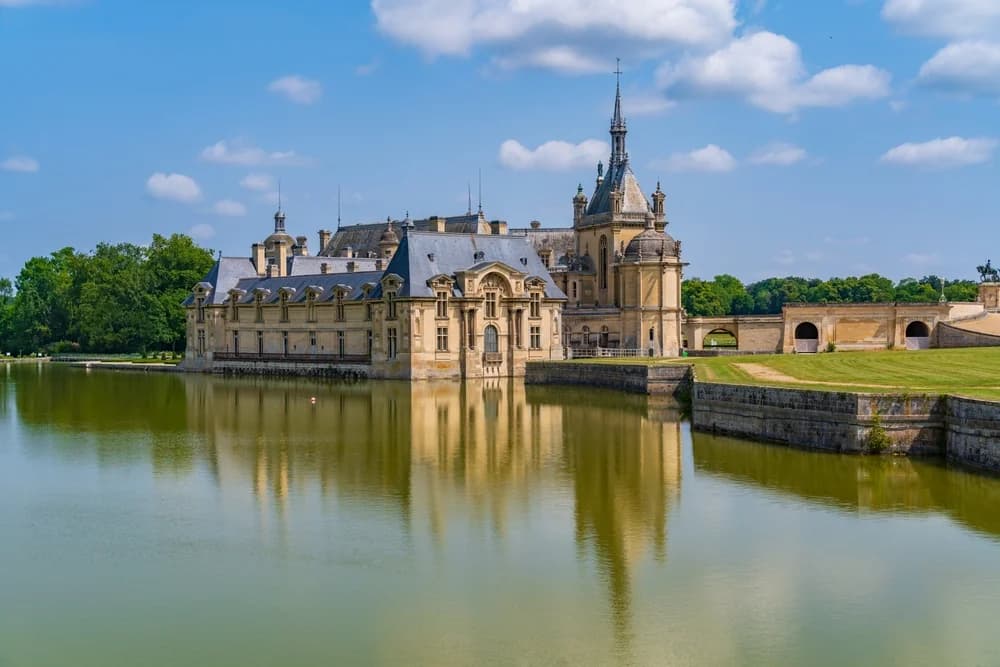
Approximately 1,000+ châteaux are currently for sale in France alone at any given time—twice the inventory of five years ago. Online castle listings across Europe surged 56% year-over-year between 2023 and 2025, with France now commanding 67% of the continental market. If you're searching for castles for sale in Europe, you've never had more options.
But more listings don't signal declining value.
This is structural supply meeting sustained demand—the unwinding of post-war inheritance patterns colliding with 21st-century economics. Understanding why castles are being sold reveals not market weakness, but a rare alignment of factors creating genuine opportunity for prepared buyers.
What's Driving the Surge in Castle Listings?
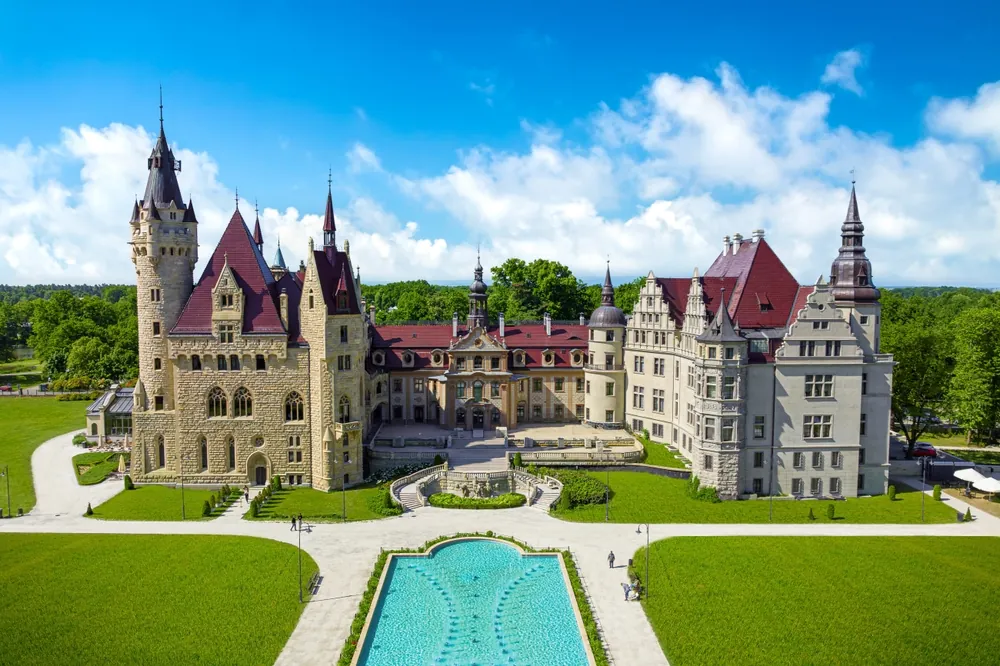
The
castle marketin Europe is experiencing a generational reset.
Five interconnected forces are pushing properties onto the market simultaneously: inheritance pressures forcing family sales, unsustainable maintenance and energy costs, tax burdens that make retention uneconomical, post-COVID reassessment of underused assets, and institutional investors exiting non-core holdings.
None of these factors suggests castles have lost their appeal—they reflect the economics of ownership shifting faster than many families can adapt.
The result is an unprecedented choice. Properties that would have stayed in families for another generation are reaching buyers who couldn't have accessed them a decade ago.
How Do Inheritance Laws Force Castle Sales?
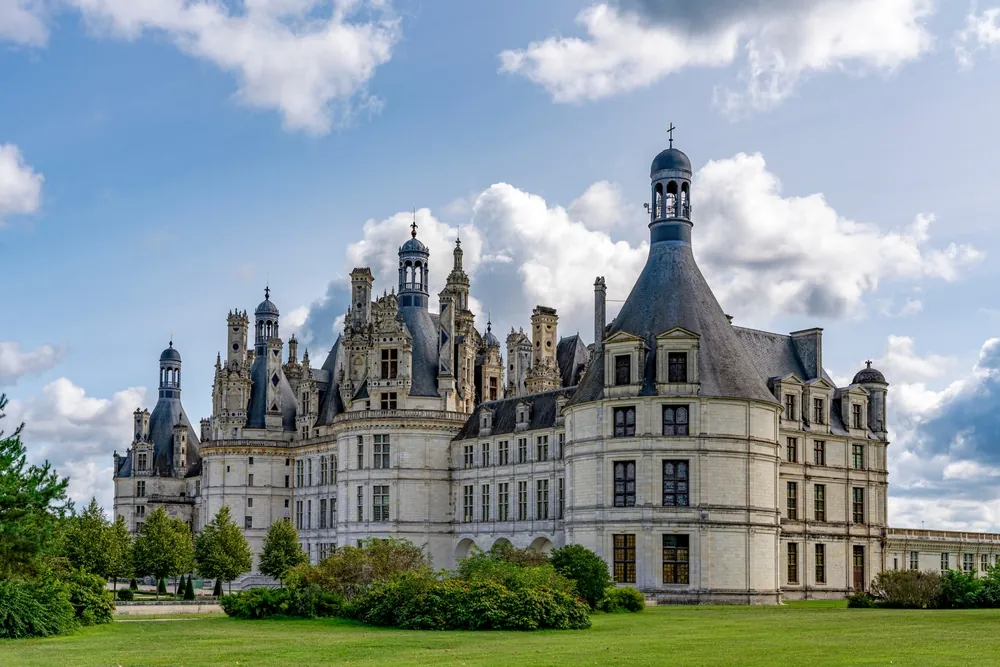
France's forced heirship system is the single largest driver of château listings.
Under French law, children must receive between 50% and 75% of a parent's estate depending on family size. When three siblings inherit a €3 million château, they face a difficult choice: agree on shared management, buy out other heirs at market value, or force a sale.
Co-owners representing at least two-thirds of ownership rights can petition the court to dissolve such arrangements through judicial sale—a process that typically takes a minimum of two years.
The math rarely favors retention. A château valued at €3 million, split equally among three children, triggers approximately €550,000–600,000 in combined inheritance tax after each child's €100,000 exemption, due within six months of death.
Heirs without substantial liquid assets face an impossible bind: sell the property to pay the tax on the property. France's top marginal rate of 45%—which applies to each heir's individual share above approximately €1.8 million after exemptions—means large heritage properties often require asset liquidation.
The generational timing is significant. Most estates are experiencing only their second ownership change since the Second World War. The generation that acquired or inherited châteaux in the 1950s and 1960s is now passing, and their children often view the family seat as a burden rather than a legacy.
Modern families want functional kitchens rather than morning rooms. The obligation to open listed properties to the public for 40–60 days annually to retain certain tax benefits holds little appeal for heirs with careers elsewhere.
One industry analyst described ancestral homes as becoming "like an additional family member" — a full-time commitment that today's generation increasingly declines to accept.
Are Maintenance Costs Really That High?
The 2022 energy crisis transformed château economics from challenging to untenable. At Château de Meung-sur-Loire, annual heating costs of €15,000–20,000 threatened to spike "
five to ten times" higher, according to owner Xavier Lelevé—potentially €100,000–200,000 for a single winter.
Heating represents just one pressure point. Large châteaux require €80,000–100,000 or more annually for routine maintenance, with skilled heritage craftsmen increasingly scarce. Traditional techniques like lauze stone-tile roofing are disappearing, with only a handful of practitioners remaining in some regions.
One owner documented spending €250,000 on a roof alone, with an additional €500,000–600,000 expected. Restoration work runs €500–1,500 per square meter, and insurance for heritage properties costs €5,000–20,000 annually.
Local French authorities estimate that over 3,000 châteaux currently sit empty or severely underutilized. It’s not uncommon for their owners to be unable to afford the upkeep but equally unable to find buyers willing to inherit the burden.
For families who acquired properties when heating oil cost a fraction of today's prices, the calculus has fundamentally changed. Many are choosing to sell while the properties remain in good condition rather than watch them deteriorate.
Why Are Chinese Investors Leaving Bordeaux?
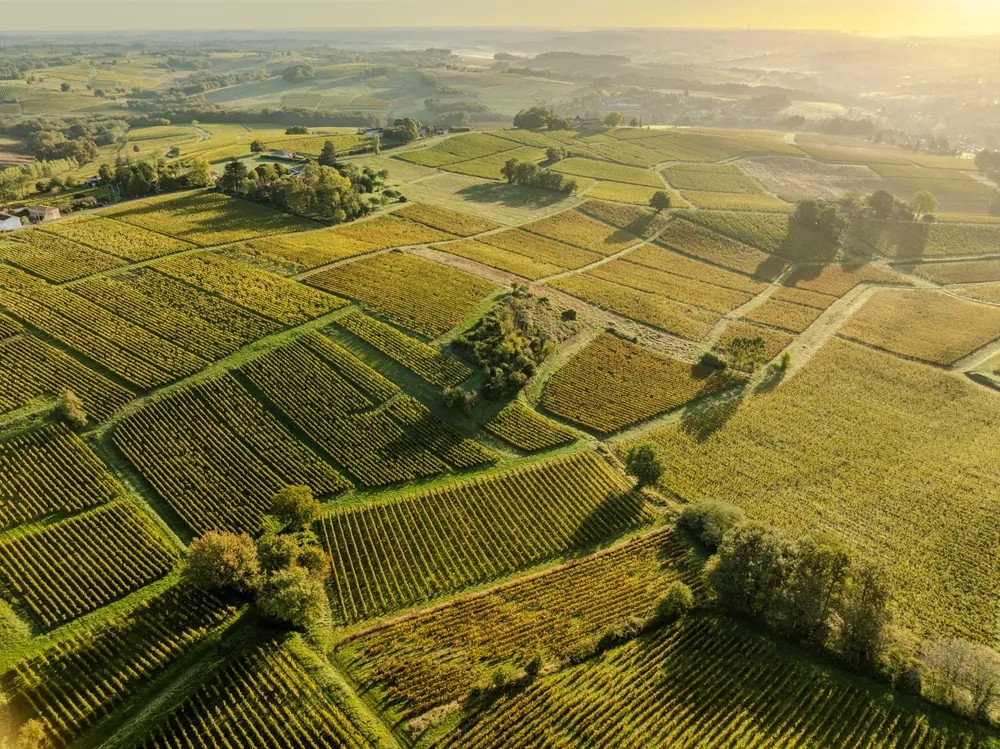
Many are now selling for less than half their original purchase price.
Château Latour Laguens, one of the first Chinese acquisitions in 2008, went to auction with a starting price of just €150,000 (without the vines)—now uninhabited and suffering from rising damp. Entry-level Bordeaux vineyard prices have collapsed from around €55,000 per hectare in 2000 to as little as €10,000 today.
The drivers are structural. Beijing imposed strict capital controls in 2017, making it difficult to fund ongoing operations from China. Chinese wine consumption dropped 16% in 2022, with a staggering 25% decline in 2023 alone. Many investors had assumed they could buy bottom-tier estates, produce €5 wine, and sell it domestically for €20–100.
That model collapsed when export demand evaporated.
Some high-profile Chinese investors remain committed—Jack Ma invested millions in restructuring an estate back in 2016, and Peter Kwok is rehabilitating seven properties, including a Saint-Émilion Grand Cru Classé. But these are exceptions. The broader pattern is divestment, adding significant supply to the regional market.
Did COVID Change How Owners View Their Châteaux?

The correction followed quickly. Owners who acquired or retained properties during COVID faced the reality of €20,000 to €80,000+ in annual running costs—and heating bills that threatened to spike several times higher during the 2022 energy crisis.
The discovery that a château requires constant attention, not occasional visits. The ballooning inventory—France's château listings nearly tripled between 2023 and 2025.
Yet demand hasn't disappeared. It has been restructured. American buyers surged from 2% to 30% of European castle enquiries, attracted by favorable exchange rates and the château DIY phenomenon spreading through YouTube and social media.
The buyer profile has professionalized: agents report that inquiries now come from people with clear project visions, realistic budgets, and architects already on call—not dreamers taking a casual look.
What Does This Mean for Buyers?
The current market offers three distinct advantages for serious purchasers.
First, unprecedented choice: properties that would have stayed in families for another generation are now accessible.
Second, pricing transparency: with more comparable sales and longer listing periods, buyers can evaluate value with greater confidence than in the opaque markets of previous decades.
Third, motivated but not desperate sellers: most properties are debt-free, but ongoing costs of €80,000–100,000 annually create genuine urgency without forcing fire-sale pricing.
Cash buyers hold particular leverage. The château market is less exposed to interest rate volatility because most transactions don't require financing. France's overall property transaction volume dropped 17% in 2024, giving buyers negotiating power across segments.
Prices have shown resilience despite expanded supply. France's overall property market fell approximately 4% in 2023 and a further 3.5% in 2024 before stabilizing, while the château market remained relatively stable with steady demand from international buyers.
Well-priced properties below €1.5 million sell within weeks; the €2–3 million segment moves more slowly but still transacts. The castle hotel market continues expanding, projected to grow from €2.9 billion in 2024 to €5.6 billion by 2033, indicating sustained commercial interest in heritage hospitality conversions.
Is Now Really the Right Time to Buy?
Multiple agents describe current conditions as historically favorable without characterizing the market as distressed. Jean-Stéphane Vilain of Agence Hamilton stated directly that prices "do not reflect the potential value of châteaux."
Thibault de Saint Vincent of Barnes noted during the post-COVID surge that they'd "never seen anything like" the visit volumes—and specialist agents report that buyer interest has remained elevated since, even as supply has expanded.
Specialists describe current conditions as particularly favorable, with elevated supply offering choice that may diminish as recovering demand absorbs available properties.
The structural factors driving current listings won't reverse quickly. Inheritance pressures will continue as the post-war generation passes.
Energy costs have stabilized but remain far above historical norms. Chinese divestment from Bordeaux will take years to complete. These aren't temporary dislocations but fundamental shifts in who can afford to hold heritage property and who cannot.
For buyers with capital, clear vision, and realistic expectations about ongoing costs, the opportunity is genuine. Windows like this don't stay open indefinitely—not because prices will spike, but because the best properties will find their next stewards, and the families currently selling won't be selling again for another generation.