
What’s the Difference Between a Palace and a Castle: Palace vs Castle
The difference between palaces and castles is that palaces are royal residential buildings and castles are fortified structures for defense.

The difference between palace and a castle is that a palace is a royal residence for comfort, and a castle is a military structure to defend a territory, but it can still be habitable.
The words "palace" and "castle" often sit side by side in conversation, as if they belonged to the same architectural family. At a distance they may appear similar, both monumental structures built in stone with distinct silhouettes that rise above the landscape. Yet, they were meant for different purposes. The distinction between a castle and a palace helps put royal households' way of life, governance, and territorial defense in perspective. It also helps today’s collectors and admirers appreciate what gives each property its particular presence.
Palace vs Castle: What's the Difference?
The difference between palace vs castle is that a palace is a ceremonial royal residence designed for comfort, display and cultural life. A castle is a fortified structure built to defend territory and keep invaders out in periods of conflict. Comparing a palace and a castle, a palace favors proportion and wealth, while a castle favors thick curtain walls and fortifications carefully set up for strategic defense.
One example of a castle is Caernarfon Castle, a medieval fortress in Wales that looks like a Crusader fortification. One example of a palace is Versailles in France, the principal residence of the French kings for a hundred years, but not exactly a defensive superstructure.
The place of the castle in history
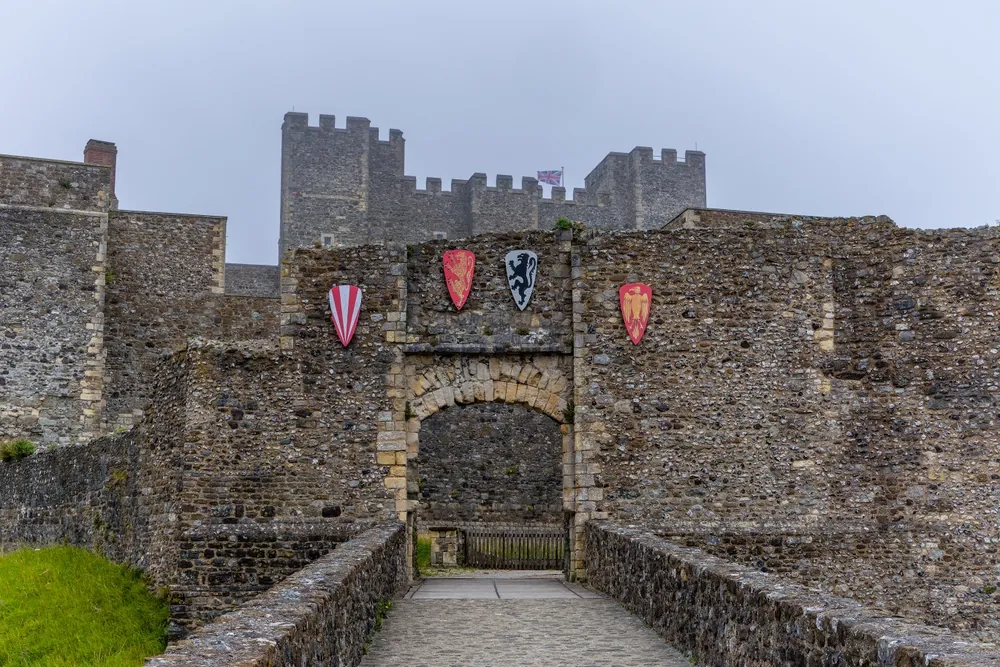
The word itself carries this history. “Castle” comes from the early English castel, once used for fortified village centers that remained defended even as settlements grew beyond their walls. Over time, the term settled into its present meaning: a fortified structure built for oversight and protection.
Windsor Castle remains one of the clearest examples of this tradition. Its origins lie in a fortress established to guard a significant stretch of the Thames Valley during a medieval siege. Over the centuries it evolved into a principal seat of the monarch, yet its defensive structure continued to matter. During the Second World War, Princess Elizabeth and Princess Margaret lived within its walls because it provided a discreet refuge away from the bombing of central London. When there was an air raid close to the castle, the young heirs would move into the underground chambers for protection.
Dover Castle carries this strategic story even more plainly. Built under Henry II, it rose on the high ground above the English Channel to protect England from invasion and to control the passage between Britain and continental Europe. The south coast at Dover has long been a natural gateway. Even today, ferries cross the Channel in constant movement. In medieval times, the same route shaped a deep concern that any force arriving from Europe would land there first. The decision to fortify the headland answered this reality. Its gatehouses, narrow corridors and arrow slits were positioned to observe the waters and defend the country from a position of natural command.
The role of the palace in royal life
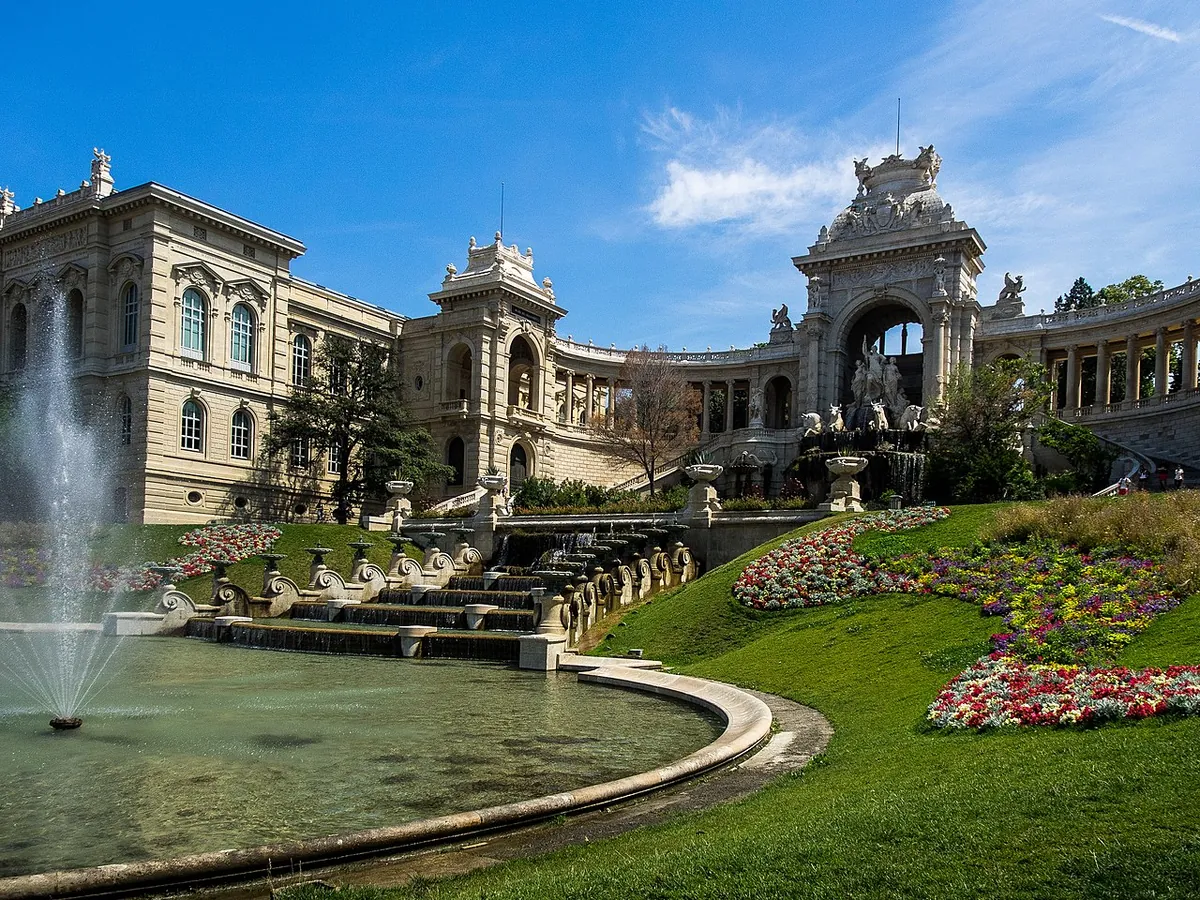
Across Europe, palaces became the setting for state occasions, diplomacy and the presentation of royal collections. They held the treasures acquired through alliance, travel and conquest, including galleries of tapestries, banqueting halls and suites designed to impress visiting dignitaries. Rooms unfold with proportion and opulence. Craftsmanship and fine materials determine the stature of its owner. Unlike castles, they do not include gatehouses, curtain walls or moats. Their security lies in the guard at the entrance and not in fortification.
Palaces have always been built in prominent urban settings or within vast, lavish gardens that symbol refinement and comfort. Buckingham Palace stands within this lineage. Set at the centre of London, it was never expected to guard the capital. Its intention was to endure as a grand residence that rooted the authority and taste of the monarchy and later adapted to accommodate the many functions of court life.
The distinction in today’s heritage market: Get stewardship for a palace or castle
The palace vs castle distinction relates to two parallel cycles shaped by power, ceremony, and the need for protection. Castles hold the story of vigilance and territorial dominance, while palaces represent the cultural presence and ceremonial life of a royal household. For today’s collectors and admirers, this distinction opens up perspective to how these residences stand within the modern heritage market.
Our private office curates a collection of fortified residences and habitable properties across the continent. We invite you to inspect heritage estates in France, Italy, and Scotland.