
How to Turn Your Castle Into a Business
Turn a castle into a viable business: hotels, events, vacation rentals, filming, and estate ventures—plus permissions, costs, grants, and tax incentives.
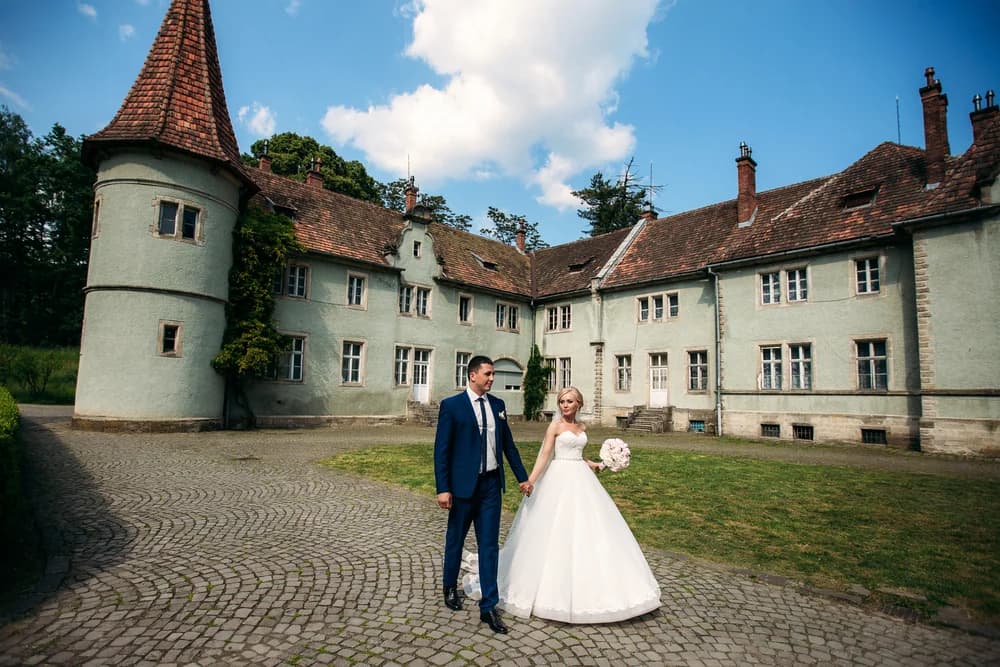
Turning a castle into a business, whether as a boutique hotel, event venue, or tourism destination, can help offset high running costs while allowing the property to be preserved, shared, and enjoyed.
For many owners and buyers, the question is not whether a castle can generate income, but which path makes the most sense for the property itself. Choosing the right business model requires a clear understanding of the building’s condition, legal constraints, location, and long-term operating costs, as well as a realistic view of what the market will support.
Some castles lend themselves naturally to hospitality or events, while others are better suited to seasonal rentals, creative industries, or land-based activities. The most successful projects are those that balance commercial viability with respect for heritage, rather than forcing a use that the building or its setting cannot sustain.
Turning a Castle Into a Boutique Hotel or Event Space
Turning a castle into a boutique hotel or an event space is one of the most established and potentially lucrative ways to generate income from a historic property, but it is also one of the most complex. Both uses rely on the same core idea: allowing guests to experience the character, scale, and atmosphere of the castle in a way that feels authentic while meeting modern expectations for comfort, safety, and service. The difference lies in how intensively the building is adapted and how frequently it is used.
Boutique Hotel
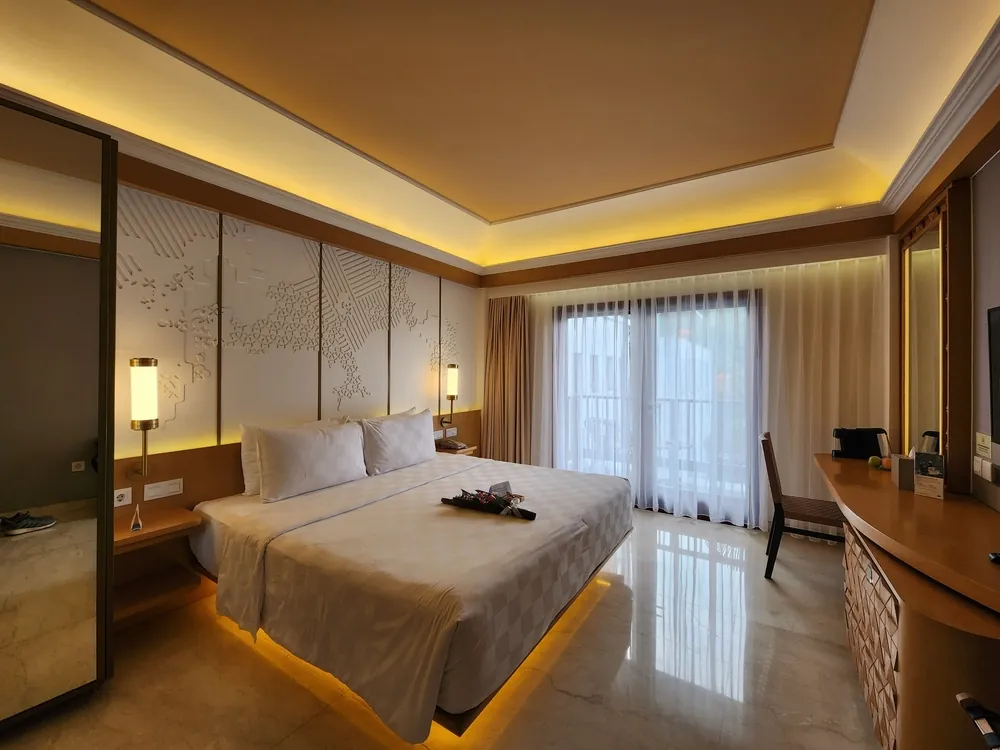
This transformation requires careful planning around circulation, fire safety, accessibility, and services. Installing modern plumbing, heating, ventilation, and electrical systems must be done in a way that does not damage historic fabric, often meaning bespoke solutions and higher costs. Fire compartmentalization, discreet fire escapes, and emergency lighting are particularly sensitive issues in listed buildings, as modern interventions must be justified and approved by heritage authorities. Accessibility can also be challenging; while full step-free access may not be possible in every part of a castle, owners are often required to demonstrate reasonable adjustments, such as accessible ground-floor rooms or adapted facilities.
Castles are destination properties: guests are not simply booking a room, they are paying for the experience of staying in a historic fortress, tower, or manor with centuries of history. This allows boutique castle hotels to charge significantly higher nightly rates than comparable high-end hotels in the same region. Limited room counts, common in castles due to structural constraints, can actually enhance desirability by positioning the property as intimate and rare rather than small.
Among some examples of successful transformations are the Fonab Castle Hotel, in Scotland, which was restored and reopened as a luxury hotel with 26 rooms in 2013. It blends its historic architecture with modern amenities like restaurants, spa facilities, and leisure spaces, offering guests an immersive heritage experience.
Thornbury Castle, located in southwest England, is a Tudor era fortress that has been converted into a luxury hotel. Guests stay in rooms adorned with period character, and the castle’s gardens and stone walls add to the historic ambience that draws visitors looking for a unique stay.
Part of Spain’s famous Parador network, the Parador de Alcañis is a 12th-century Templar castle that has been sensitively converted into a heritage hotel that celebrates its medieval roots while offering comfortable accommodation and a restaurant serving local cuisine. As a parador, it highlights how historic fortresses can be repurposed within national hotel systems designed to boost tourism.
Events Space
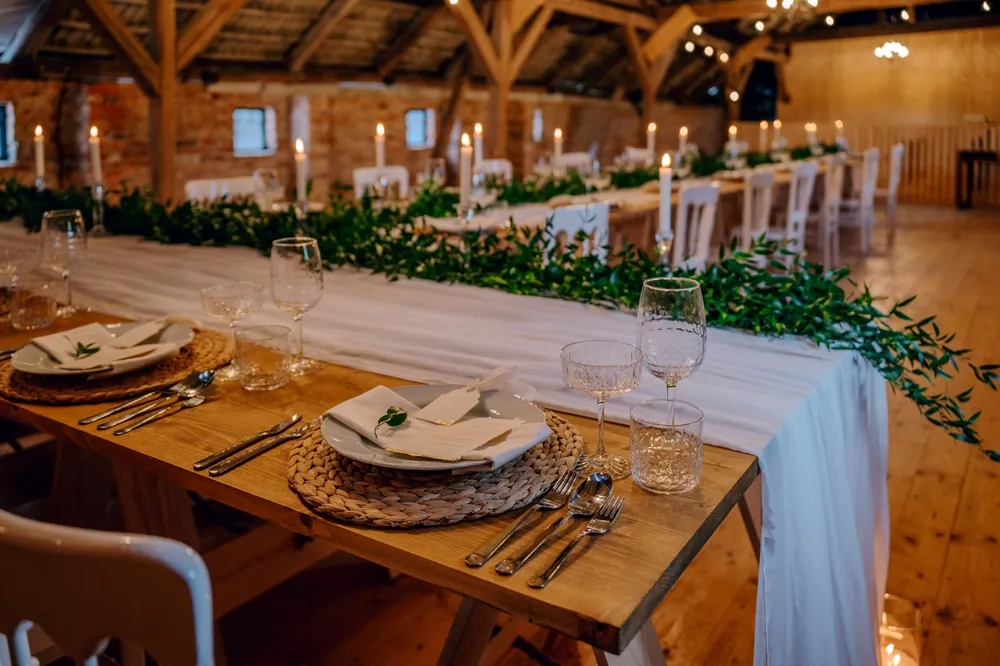
Planning for an event space revolves around visitor numbers, noise, traffic, and impact on the surrounding area. Parking, access roads, delivery routes, and crowd management become critical considerations, particularly in rural or protected landscapes. Local authorities often scrutinise how frequently events will take place, how late they will run, and whether they will affect neighbors, wildlife, or the historic setting itself. Temporary structures such as marquees may still require permission if used regularly or if they affect the character of the site.
Transforming a castle into an event space can be highly lucrative because it allows owners to monetize the property’s atmosphere, scale, and uniqueness without the constant operational demands of full-time hospitality. Unlike hotels, which rely on daily occupancy and intensive staffing, event spaces can generate significant revenue through periodic, high-value bookings, often with lower ongoing operating costs. When managed strategically, a castle event venue can produce strong margins while preserving flexibility in how the property is used.
Some examples of historic properties that have been transformed into event spaces are Lympne Castle in Kent, which has been restored and is now operating as a wedding and event venue. Castell d’Empordà, in Spain, was transformed into an elegant event venue in addition to hotel accommodation. Its courtyards and gardens are popular for weddings, private parties, and corporate events, combining medieval charm with modern service and facilities. Schloss Herdringen, a Gothic revival castle in North Rhine-Westphalia, has been hosting weddings, concerts, conferences, and other events for many years. Its extensive historic rooms and parkland provide a versatile setting for a wide range of occasions.
Vacation Rental
Vacation rentals refer to short-term or medium-term accommodation rented directly to guests for leisure stays, typically ranging from a few nights to several weeks. Unlike traditional hotels, vacation rentals are usually offered on a self-catering or semi-serviced basis and appeal to families, groups, and travelers seeking privacy, space, and a distinctive experience. For castles, this model works particularly well because it allows guests to occupy an entire wing, house, or even the full property, reinforcing the sense of exclusivity and immersion that modern travelers value.
In practice, castle vacation rentals can take several forms. Some owners rent the entire castle as a single unit for private groups, celebrations, or retreats, while others divide the property into a small number of independent apartments or suites within existing structural divisions. Towers, gatehouses, and former service wings often lend themselves naturally to this approach, as they can be adapted with minimal structural intervention. The emphasis is on preserving historic character while providing comfortable, well-equipped living spaces rather than full hotel-style services.
Renovation considerations
From a restoration and renovation perspective, transforming a castle into a vacation rental still requires careful planning, but the level of intervention is often lower than for hotels or high-capacity event venues. Owners must focus on essential comfort and safety upgrades such as reliable heating, modern bathrooms, functional kitchens, electrical safety, and fire protection. Because guests are typically fewer and use the space privately, circulation requirements, signage, and staff facilities are less demanding than in a commercial hospitality setting. This can reduce both upfront restoration costs and ongoing wear on the building.
However, there are important considerations specific to historic properties. Installing kitchens and bathrooms in thick stone walls or vaulted rooms requires bespoke solutions to avoid damaging historic fabric or causing moisture problems. Heating and insulation must be designed to work with breathable materials, especially in older masonry structures. Fire safety remains a critical issue, particularly when renting to the public, and owners must ensure that escape routes, alarms, and compartmentalization are adequate while respecting heritage constraints. Accessibility requirements may be more flexible than for hotels, but owners are still expected to make reasonable provisions where possible.
Castles perform exceptionally well in the experience-driven travel market. Guests are willing to pay premium nightly or weekly rates for the opportunity to stay in a historic castle, especially when booking as a group and splitting costs. A single booking can generate significant revenue, particularly for full-property rentals, while operational costs remain relatively contained due to limited staffing and services. Vacation rentals also allow owners to operate with greater flexibility. Properties can be rented seasonally, selectively, or only during peak demand periods, allowing owners to balance income generation with private use and maintenance schedules.
Castles that are Now Vacation Rentals
In France, the Château de la Mothe has been restored and listed on Airbnb as a full-property stay. With its moats, towers, and historic halls, this 15th-century château offers guests an immersive experience in medieval architecture, gardens, and vaulted interiors.
Certain lodgings within the Burg Nideggen castle, in Germany, are rented as short-term stays, offering dramatic views, historic features, and an immersive medieval feel.
Filming & Photography Location
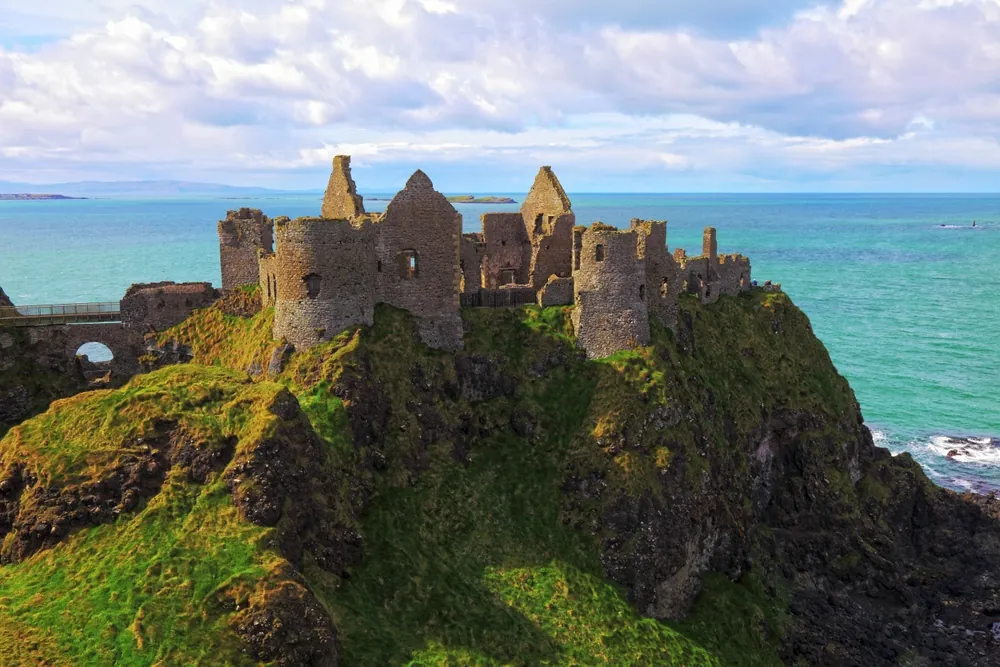
This option involves positioning the castle as a working location rather than a hospitality venue. Productions typically rent the property for anything from a few hours to several weeks, paying daily location fees that can be substantial depending on the scale of the shoot and the exclusivity of access. Because filming projects often have significant budgets and tight schedules, they are willing to pay a premium for unique, ready-to-use locations that require minimal set dressing.
For castle owners, the first consideration is whether the property is visually and logistically suitable. Filmmakers look for strong architectural features such as grand halls, staircases, courtyards, battlements, towers, period interiors, and dramatic landscapes. Authentic wear, patina, and historical detail are often assets rather than problems, meaning that castles in partial ruin or unrestored condition can still be highly attractive. However, the building must be structurally safe and stable, as no production will risk working in a space that poses safety hazards to crew or equipment.
During renovation or restoration, owners who want to preserve filming potential should focus on conserving original features rather than over-modernizing interiors. Removing historic elements, simplifying layouts, or applying overly contemporary finishes can reduce the property’s appeal as a location. Flexibility is also important. Maintaining large, uncluttered spaces that can be adapted to different periods or narratives makes the castle more versatile. Lighting conditions matter as well; preserving natural light through original windows, avoiding intrusive modern fixtures, and allowing for temporary lighting rigs can significantly increase usability for photography and film crews.
Even though filming does not require the same level of permanent infrastructure as hotels or event venues, productions need practical solutions for vehicle access, equipment unloading, temporary power supply, crew facilities, and parking. During restoration, owners often benefit from discreetly upgrading access roads, reinforcing floors where heavy equipment may be placed, and identifying areas that can safely accommodate generators or temporary production units without harming historic fabric. Clear separation between sensitive historic areas and zones suitable for equipment staging helps protect the building and reassures heritage authorities.
How to be Found as a Filming Location
To successfully operate as a filming and photography location, visibility is essential. Most owners register their castles with location agencies and film commissions, which act as intermediaries between property owners and producers. National and regional film commissions exist across Europe and maintain searchable databases of approved locations. Registering usually involves submitting professional photographs, detailed descriptions of the property, access information, and any restrictions. Many owners also work with private location agencies that actively market properties to advertising, fashion, and film clients in exchange for a commission.
In addition to official registers, owners often create dedicated location portfolios and websites showcasing the castle’s spaces, architectural styles, and seasonal variations. High-quality photography is a crucial investment, as producers frequently shortlist locations based on images alone. Clear information about availability, fees, and logistical constraints helps streamline enquiries and positions the property as production-ready rather than speculative.
Castles that are Filming Locations
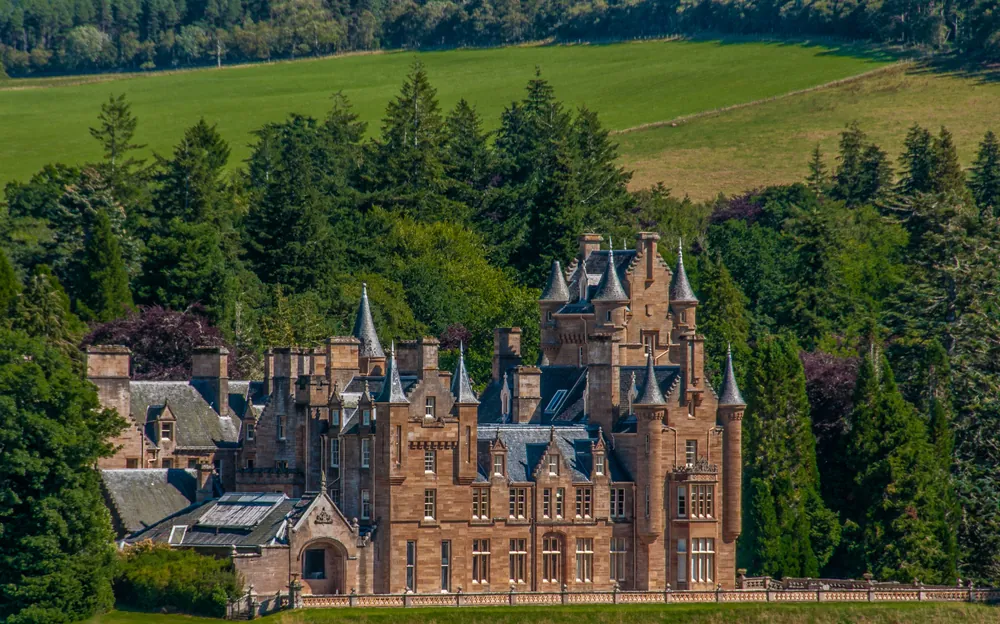
Orava Castle, in Slovakia, has been used in a variety of productions over many decades. It doubled as Count Orlok’s castle in the influential 1922 film Nosferatu, and later appeared in adaptations of Dracula and films such as Dragonheart: A New Beginning. Its dramatic perched position and medieval architecture make it attractive for horror, historical, and fantasy projects
Vineyards, Breweries & Farms
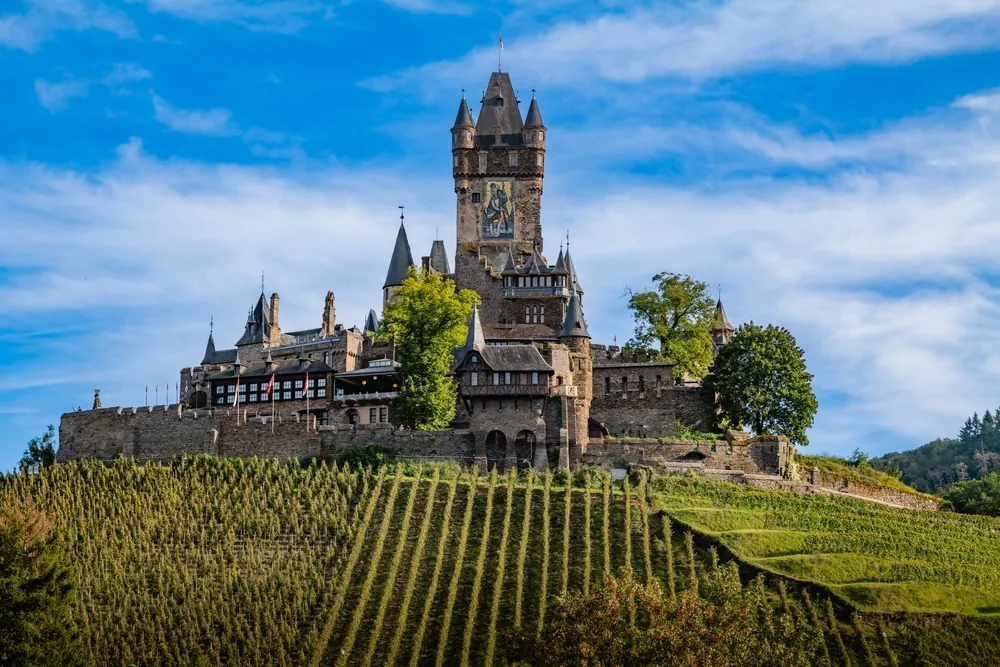
Properties with existing agricultural land, former wine cellars, barns, stables, or production buildings are particularly well suited to this model. Vineyards and farms benefit from the storytelling power of a historic setting, while breweries and artisanal food production gain instant differentiation from operating within a castle or heritage estate. Visitors are not just buying wine, beer, or produce; they are buying an experience rooted in history, landscape, and authenticity. This makes it easier to command premium pricing, attract tourism, and build strong direct-to-consumer sales.
When a castle already has one of these features the first step is usually to assess what can be revived or upgraded. Historic vineyards may need replanting, modern drainage, or soil analysis to meet contemporary production standards. Old cellars and barns often require careful restoration to comply with food safety, hygiene, and worker safety regulations, but they are frequently ideal spaces for fermentation, ageing, or storage due to their stable temperatures and atmospheric character. In many European countries, agricultural use is more easily approved than hospitality or residential conversion, making this route comparatively smoother from a planning perspective.
Breweries and small-scale distilleries are particularly popular because they can be developed incrementally. Owners can start with limited production using restored outbuildings or former service areas of the castle, expanding capacity as demand grows. Castle-branded beer, cider, or spirits can be sold on-site, through regional distributors, or online, often supported by tastings, tours, and seasonal events. These activities pair naturally with tourism and can later be combined with event hosting or accommodation if permitted.
Creating Agricultural Operations in a Castle
For properties that do not already have agricultural operations, creating them from scratch is possible, but requires careful evaluation. Establishing a vineyard involves significant upfront investment, including land preparation, planting, irrigation, and several years before the first commercial harvest. While this can be highly profitable in established wine regions such as parts of France, Italy, Spain, and Germany, it is a long-term strategy rather than a quick return. Owners must assess soil quality, climate, water availability, and appellation rules, as well as whether the estate qualifies for regional wine classifications that can enhance market value.
Farms and artisanal food production can be more flexible. Converting unused land into organic farming, specialty crops, olive groves, orchards, or livestock operations may align well with heritage conservation goals, particularly in rural areas. In many regions, agricultural activity also opens access to subsidies, rural development grants, and tax advantages, making it financially attractive even at modest scales. Farm shops, estate cafés, and branded produce boxes allow owners to monetize directly without relying on large visitor numbers.
The question of whether it is worth adding these features to a property depends largely on scale, location, and long-term vision. Agricultural ventures tend to be most successful when they are integrated into a broader estate strategy rather than treated as standalone businesses. A vineyard or brewery linked to tours, tastings, events, or filming opportunities creates multiple revenue streams from the same investment. Even without public access, estate-produced wine or beer can strengthen the property’s brand and support other commercial uses.
From a restoration standpoint, these activities often align well with conservation principles. Reusing historic agricultural buildings, maintaining traditional land use, and supporting local employment can be viewed favorably by planning and heritage authorities. However, owners must still navigate regulations related to food production, environmental impact, water use, and waste management. Early consultation with agronomists, oenologists, brewers, conservation architects, and local authorities is essential to ensure that modern production requirements do not compromise protected structures or landscapes.
In terms of profitability, vineyards, breweries, and farms typically offer steady, long-term income rather than immediate high returns. Their strength lies in resilience and diversification. Agricultural production is less sensitive to tourism seasonality, and estate-branded products can continue generating revenue even when the castle itself is not in active use. For owners willing to take a patient, land-based approach, these ventures can become a cornerstone of a financially sustainable historic property, ensuring that both the castle and its surrounding landscape remain productive, relevant, and economically viable for generations to come.
Real-life Examples of Castles with Wine Production
Schloss Gobelsburg in the Kamptal wine region of Lower Austria is a historic castle that has been producing wine for centuries and today operates as a working winery with vineyards under cultivation and wine production onsite. The estate specializes in Riesling and Grüner Veltliner, with wine cellars that attract visitors for tastings and tours, combining heritage, tourism, and viniculture in one business.
Domäne Schloss Johannisberg is a castle-winery in Germany’s Rheingau region with a documented wine-making history going back over 1,200 years. It continues to produce Riesling wines and is known for its premium vineyards and wine tourism offerings, including tastings and cellar tours, blending heritage tourism with agricultural production.
Permissions & Licenses Required to Run a Castle Business
Before opening doors to guests or commercial partners, owners must ensure that they have the right permissions, planning consents, and licenses to operate legally and sustainably. Historic properties are usually subject to heritage protections, land-use rules, environmental requirements, and commercial regulations that vary widely from country to country. Failing to secure the appropriate approvals can result in fines, forced closure of operations, or even legal action.
Regardless of the type of business you plan to run in a castle, there are several core categories of permission and compliance that almost all projects must address.
Historic buildings, especially listed or protected properties, typically require permission for any change of use, physical alteration, or installation of services. These consents are separate from ordinary planning permissions and are focused on how a business use impacts heritage character.
Castles are often zoned as residential or agricultural. Turning the site into a commercial enterprise (hotel, event venue, filming location, vineyard with a tasting room) usually requires formal change-of-use consent from local planning authorities. Commercial uses attract stricter requirements for fire safety, accessibility, structural compliance, sanitation, food preparation, utilities, and environmental health. Even if heritage regulations provide some exemptions, many modifications still require building control approval.
Business licenses and commercial authorisations may also be necessary, including specific tourism licenses, short-term rental registrations, food and beverage permits, alcohol licenses, agricultural registrations, and filming location permits.
It is important to keep in mind that, regardless of the location of the property, operating without the necessary permissions can lead to enforcement action, fines, revocation of business licenses, or orders to reverse built work, outcomes that can be ruinous for both the business and long-term preservation of the property.
Grants, Tax Benefits & Local Tourism Boards
As discussed not only in this article, but also in this blog, turning a castle or historic property into a viable business involves ongoing costs that can be substantial. Beyond restoration and renovation, owners must invest in marketing, operations, and compliance. Fortunately, across Europe there are grants, tax incentives, and tourism promotion resources designed to help owners alleviate costs, attract visitors, and position their heritage business for long-term success. These supports vary by country and often depend on the property’s heritage status, planned use, and engagement with tourism networks.
Grants & Subsidies
Across Europe, direct grants can significantly reduce restoration and operational costs. In France, for example, owners of classified or registered historic monuments can access subsidies through the Direction Régionale des Affaires Culturelles (DRAC), with eligible restoration work, often supported up to around 40 % of approved costs. This type of funding offsets rehabilitation expenses and strengthens a property’s cultural value.
In Central and Eastern European countries like Poland, national ministries of culture and regional conservators provide subsidies for necessary conservation work on registered monuments. In some cases, funding may cover up to 50 % of renovation costs, and even 100% for exceptionally valuable properties or urgent restoration needs.
At the European Union level, programs such as the European Regional Development Fund (ERDF) and the Creative Europe culture subprogram offer funding that can support heritage restoration tied to tourism and sustainability goals. These funds are accessible when projects align with cultural, economic, or environmental objectives and are often channeled through national or regional bodies that administer EU grants locally.
These grants are powerful because they are not loans, meaning owners do not have to repay the funds, but they are usually competitive and tied to specific heritage or tourism outcomes. Applying early and thoroughly with a well-documented business and restoration plan is essential.
Tax Benefits & Incentives
Many European countries also offer tax incentives that reduce the financial burden of owning and restoring heritage properties. In France, owners of historic properties registered as Monuments Historiques may deduct a large portion of restoration costs from their taxable income, and in some circumstances, even benefit from property tax relief or exemptions if the site is publicly accessible beyond a minimum threshold.
Germany allows owners to deduct a portion of maintenance and restoration costs, for example, up to around 9% per year over several years, provided the monument is accessible for research or public viewing.
Across Europe, tax reliefs may include VAT concessions, reductions in local property taxes, exemptions from inheritance or wealth tax for owners who agree to maintain and open the building to the public, and deductions for sponsorship or charitable contributions toward restoration. Council of Europe guidelines show that such incentives can include income tax reductions, local tax exemptions, capital transfer tax relief, and VAT exemptions for eligible restoration works.
In Italy, schemes such as the Art Bonus provide tax credits to individuals and companies that make philanthropic contributions toward heritage conservation. This regime encourages private investment in restoration and can be paired with tourism development plans that enhance public engagement.
These tax benefits make restoration and commercial use financially more feasible, especially when combined with grants.
Local and Regional Tourism Boards to Promote Your Castle
Tourism organizations at the national and regional level can be invaluable partners for castle owners seeking to grow a business based on heritage and visitor appeal. These bodies promote destinations, attract visitors, and help owners leverage wider marketing channels:
In the United Kingdom, organizations such as VisitBritain and VisitEngland help promote historic venues, provide tourism insights, and support campaigns to attract domestic and international visitors. Membership and collaboration with these boards increase visibility across official tourism promotional platforms.
France’s Atout France promotes tourism abroad and within France, including cultural and heritage travel segments. Regional offices (Comités Régionaux du Tourisme) work locally to include historic properties in promotional campaigns, itineraries, and marketing materials.
In Italy, ENIT (Italian National Tourist Board) and regional tourism boards help spotlight heritage attractions, and participation in regional tourism networks can drive bookings and partnerships with travel operators, especially for castles pitched as hotels, venues, or vineyard destinations.
Spain’s Turespaña and autonomous community tourism boards provide promotional support, resources, and accreditation for historic accommodation and experiences, helping owners integrate their properties into official tourism channels.
In Germany, national and federal state tourism organizations (such as Germany’s National Tourist Board and Landesmarketing-Organisationen) promote cultural tourism and work with business owners to include heritage venues in tourism routes and campaigns.
At the European level, organizations such as the European Travel Commission (ETC) support collaboration among national tourism boards to promote Europe as a heritage destination. This type of partnership broadens exposure beyond a single country and taps into wider tourism trends for cultural travel.