
How to Live in a Castle (and Actually Enjoy It)
Learn how to live comfortably in a castle: heating and insulation, zoning large spaces, acoustics and lighting, storage, maintenance routines, and when to hire staff.
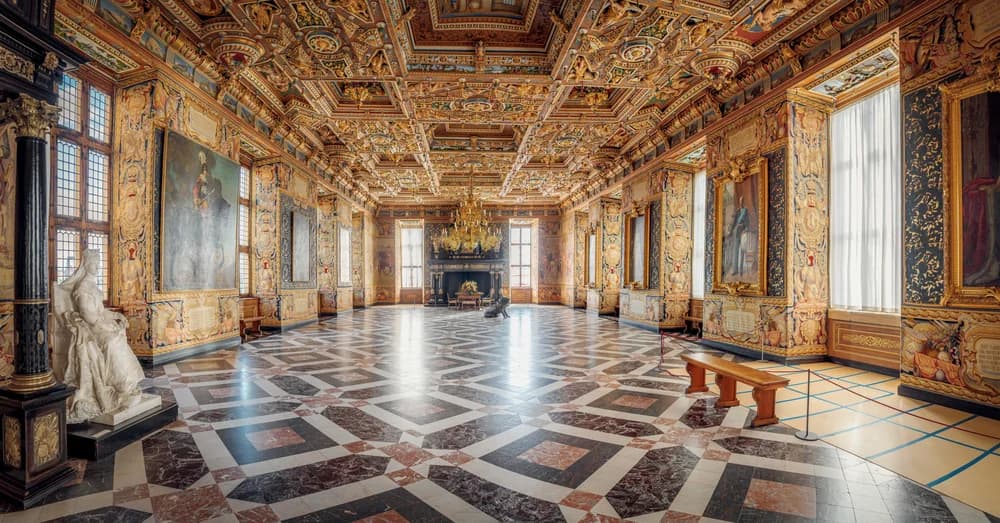
Living in a castle is one of those rare dreams that feels pulled straight from a storybook. It’s the kind of vision that sparks the imagination: waking up in a tower bedroom, walking through grand halls filled with history, and knowing that your home has stood the test of centuries. For many, the idea isn’t just about owning a unique property, but about inhabiting a place where time, architecture, and memory intertwine in a way no modern house ever could. The magic is real, but so is the complexity.
Castles often come with more than just walls and rooms. They may include sprawling grounds, ancient gardens, courtyards, gatehouses, stables, chapels, or even hidden passageways. These features can be breathtaking, offering endless possibilities for creativity, hospitality, and personal expression. At the same time, that same scale can feel overwhelming. A space designed for nobility, defense, or ceremony isn’t naturally suited to everyday routines, and turning grandeur into comfort requires thoughtful choices, adaptability, and patience.
Heritage properties, in particular, bring a unique set of challenges. Renovations are rarely simple, and regulations aimed at preserving historical integrity can limit what changes are allowed. What looks romantic in photographs can feel impractical when you’re trying to stay warm, manage energy costs, or install modern plumbing and technology.
This article will guide you through the most important considerations of castle ownership, including how to manage heating, comfort, and insulation and how to make such an extraordinary place truly feel like home.
Heating & Insulation
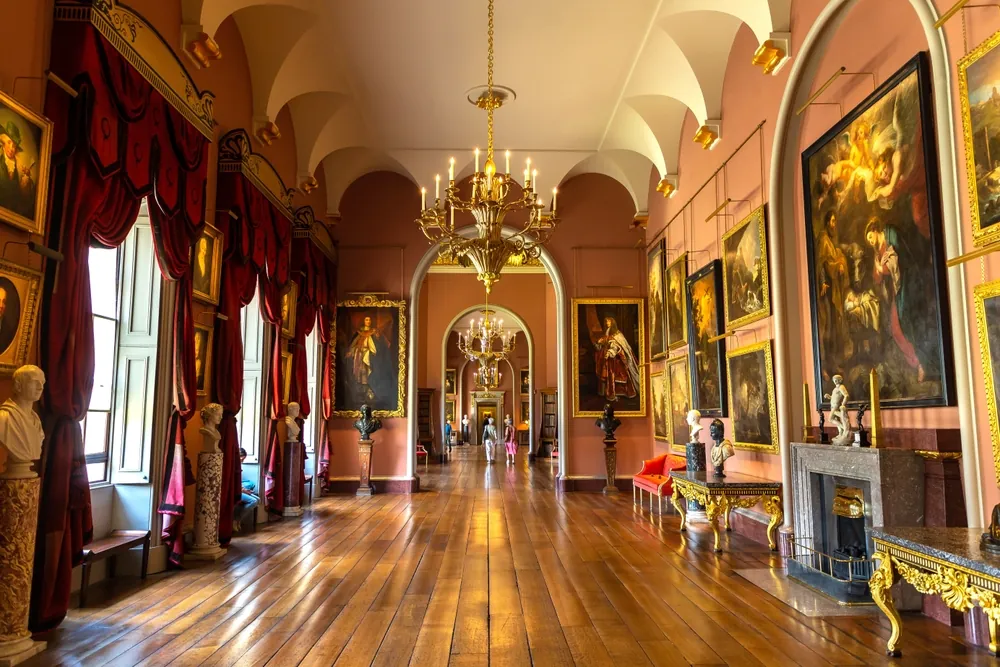
Heating
Heat escapes quickly through uninsulated roofs, solid stone structures, and single-glazed windows, while original layouts make it difficult to heat only the spaces in use.
Because most castles in Europe are listed or protected, owners must balance modern comfort with strict conservation rules. The good news is that there are many highly effective heating solutions that improve warmth without compromising heritage value or altering original architecture.
Zonal Heating
One of the smartest strategies for castle heating is zoning. Rather than trying to heat the entire structure, which is often impractical and extremely expensive, zoning allows owners to heat only the rooms and wings in active use.
This approach uses modern thermostatic controls and smart systems to divide the castle into multiple heating zones. Frequently used living areas, bedrooms, and kitchens stay warm, while guest wings, towers, or ceremonial rooms remain at lower temperatures until needed. Zoning dramatically reduces energy consumption, lowers costs, and minimizes stress on historic materials by avoiding extreme temperature fluctuations.
This approach to heating is heritage-friendly because it works within existing room layouts and typically requires minimal physical intervention in the building fabric.
Underfloor Heating
This is one of the most discreet and effective ways to warm a castle, especially in rooms with stone, tile, or flagstone floors. It provides gentle, even heat that rises naturally, eliminating cold spots and drafts.
In heritage properties, underfloor heating is usually installed during restoration works, especially when floors are already being lifted or replaced. Modern low-profile systems can be laid beneath new stone or timber flooring without altering the visual character of the room. Because the heat source is hidden, there is no impact on walls, ceilings, or historic detailing.
This solution is often accepted by conservation authorities because it is invisible, reversible in many cases, and does not affect original architectural features.
Discreet Radiators and Wall Heating Panels
Where underfloor heating is not suitable, modern radiators and wall-mounted heating panels designed specifically for historic interiors provide an excellent alternative. These systems can be styled to resemble traditional cast iron radiators or integrated into wall recesses, window bays, or paneling.
Advanced low-temperature radiators work efficiently with renewable energy sources and modern boilers while maintaining a classic appearance. Wall heating systems, which radiate heat gently through wall surfaces, are particularly effective in stone buildings, as they help warm the structure itself rather than just the air.
These options are non-invasive, reversible, and visually sympathetic to historic interiors.
Ground-Source and Air-Source Heat Pumps
Ground-source heat pumps extract heat from the earth through underground loops, while air-source heat pumps draw heat from the outside air, even in cold climates.
Both systems provide low-temperature, continuous heating that works exceptionally well with underfloor heating and modern radiators. They are energy-efficient, environmentally friendly, and significantly reduce long-term running costs.
From a heritage perspective, heat pumps are usually acceptable because they require minimal visible alteration to the building. Ground loops are buried underground and invisible once installed, while air-source units can often be discreetly placed in courtyards, gardens, or outbuildings to avoid visual impact.
Biomass and Wood Pellet Boilers
For castle owners seeking a sustainable and heritage-compatible heating solution, biomass boilers offer an excellent option. These systems burn wood pellets, chips, or logs to produce heat and hot water, providing strong output suitable for large properties.
Biomass boilers can often be housed in existing boiler rooms, stables, or outbuildings, keeping the main castle structure untouched. They also work well with traditional radiator systems and underfloor heating.
Because biomass systems rely on traditional fuels and avoid visible architectural changes, they are frequently approved in heritage contexts, particularly in rural or agricultural estates.
Insulation

Traditional walls are often solid masonry with no cavity. They absorb moisture from rain and ground contact and release it naturally through evaporation. If modern, non-breathable insulation materials are added, moisture becomes trapped inside the wall, accelerating decay rather than preventing it. This is why conventional cavity wall insulation, plastic membranes, or cement-based materials are usually unsuitable for castles.
The goal of castle insulation is not to create a sealed, airtight box, but to slow heat loss while preserving the building’s ability to manage moisture naturally.
Roof and Attic Insulation
Roofs and attics are the single largest source of heat loss in most castles, and insulating them is usually the first and most impactful step.
Because roof spaces are often already separated from living areas, insulation here rarely affects historic interiors and is widely approved by conservation authorities. Breathable insulation materials such as sheep’s wool, hemp, wood fiber, or cellulose can be installed between or above rafters while allowing moisture to pass through safely.
These natural materials regulate humidity, prevent condensation, and work in harmony with timber roof structures. In many cases, upgrading roof insulation alone can significantly reduce heating demand without altering any visible features of the castle.
Floor Insulation
Cold floors are a common problem in castles, especially those with stone slabs, vaulted cellars, or earth contact beneath ground-floor rooms. Insulating floors can greatly improve comfort, but must be done carefully to avoid moisture buildup.
Where floors are being lifted as part of restoration, breathable insulation materials can be installed beneath stone or timber finishes without changing the appearance of the room. Lime-based screeds, foamed glass gravel, cork, or wood fiber boards are often used because they allow moisture to move safely while providing thermal resistance.
This approach improves warmth, reduces damp rising from below, and remains fully compatible with heritage requirements when executed correctly.
Internal Wall Insulation with Breathable Systems
External wall insulation is almost always prohibited on listed castles because it alters the exterior appearance. Internal wall insulation, however, may be permitted when done sensitively and with breathable materials.
It is better to use materials such as lime plaster, calcium silicate boards, wood fiber panels, or cork-based composites. These materials allow moisture to pass through and evaporate, preventing condensation and mold while improving thermal performance.
When designed by conservation specialists, internal breathable insulation can significantly improve comfort without damaging the castle’s fabric or appearance.
Window Insulation
Original windows are often among the most character-defining features of a castle, and replacing them is usually prohibited. However, they are also one of the greatest sources of heat loss and drafts.
The most heritage-friendly solution is secondary glazing. This involves installing a discreet internal pane behind the original window, creating an insulating air gap while leaving the historic exterior untouched. Secondary glazing can be nearly invisible when properly designed and can improve thermal performance, reduce noise, and eliminate drafts.
Heavy curtains, lined drapes, and traditional shutters are another historically authentic and effective solution. Thick textiles create an insulating barrier at night, dramatically reducing heat loss and enhancing comfort while preserving the room’s aesthetic and authenticity.
Managing Large Spaces
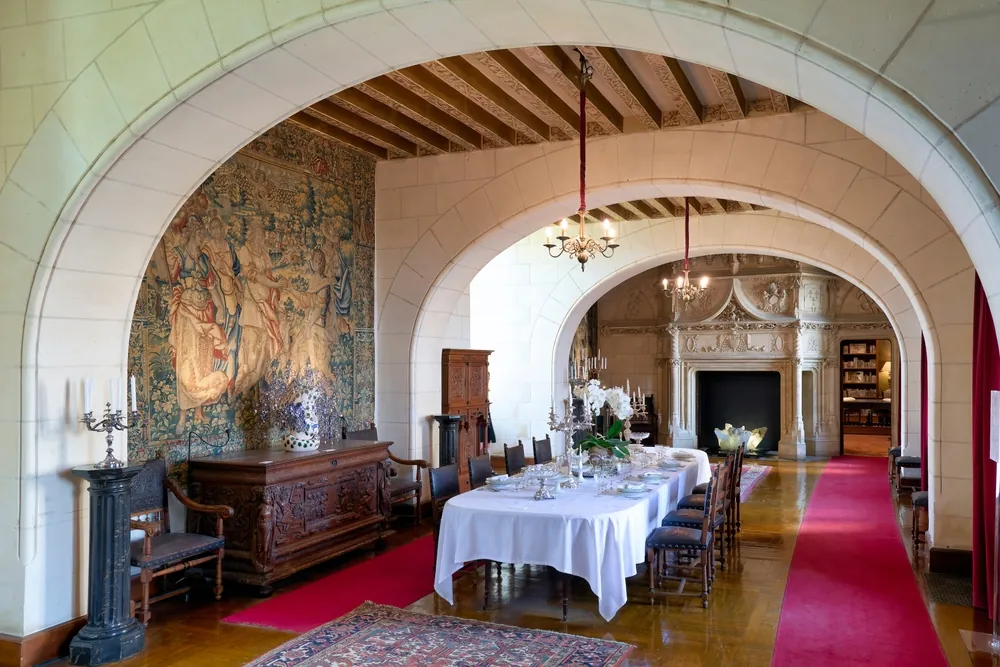
One of the first challenges is sheer scale. Heating, cleaning, furnishing, and maintaining such a vast footprint requires time, energy, and financial resources far beyond those of a standard home. Without a clear strategy, owners can find themselves overwhelmed by spaces they rarely use but still must care for.
Living Spaces
In order to make a large property more manageable, a possibility is creating a core living area, the part of the castle where daily life primarily happens. This zone typically includes main bedrooms, bathrooms, kitchen, dining space, living room, and home office. It should be compact, well-heated, easy to maintain, and close to essential services like plumbing and electrical infrastructure.
Ideally, the core zone should be located where the building is structurally sound, easiest to heat, and most naturally comfortable, often in lower floors or wings that already benefit from better insulation, sunlight, or proximity to mechanical systems.
Start by mapping your daily routines (where you wake up, cook, relax, work, and sleep) and cluster those activities into the smallest, most efficient footprint possible within the castle.
Beyond the core living area, most castles benefit from one or more secondary zones used less frequently. These areas often include guest bedrooms, formal dining rooms, salons, libraries, or family rooms. These spaces may be heated seasonally or on demand, rather than continuously.
This approach prevents the need to maintain and heat the entire castle at all times, while still preserving its capacity for entertaining, hosting, and ceremonial use. It also allows owners to maintain a balance between everyday practicality and the grandeur that makes castle living special.
Assigning Clear Functions to Every Space
One of the most common challenges in castles is having too many rooms with no clear purpose. Undefined spaces quickly become cluttered, neglected, or emotionally overwhelming. Every room should be assigned a function, even if that function is seasonal, occasional, or long-term storage.
Rooms can be categorized into daily use, guest use, ceremonial use, storage, utility, or conservation areas. This classification simplifies maintenance, helps guide furnishing decisions, and prevents the castle from feeling chaotic.
Create a written room-use plan that defines the purpose of each room and how often it will be used. Revisit and adjust this plan annually as your lifestyle evolves.
Castles are often organized vertically across multiple floors, towers, and basements. Using floors strategically is an effective way to manage space.
Lower floors typically work best for public and social functions such as kitchens, dining rooms, and living areas, while upper floors are better suited to private zones like bedrooms and offices. Basements and lower ground floors often serve utility functions such as storage, wine cellars, mechanical rooms, or workshops.
This vertical zoning helps establish natural boundaries between social and private life and reduces unnecessary movement throughout the building.
Rather than relying on modern partitions, castle owners can use existing architectural features to define zones in a way that respects the building’s character. Thick walls, arches, doorways, alcoves, fireplaces, staircases, and changes in ceiling height naturally segment space.
Furniture placement, rugs, lighting, and curtains can further reinforce these divisions without altering the structure. For example, a grand hall can be divided into a seating area, reading nook, and dining zone using rugs and lighting rather than walls.
Furnishing
What feels dramatic and inspiring at first can easily become overwhelming if furniture choices and layouts don’t respond thoughtfully to the space.
One of the main challenges is scale mismatch. Most modern furniture is designed for average-sized rooms, and when placed in vast halls or high-ceilinged salons, it can appear visually insignificant, making rooms feel empty, cold, and unfinished. This lack of visual grounding can make a space feel emotionally distant rather than welcoming. Instead of feeling like a home, the room can start to resemble a gallery or a public building.
Large spaces also amplify sensory experiences. Stone walls, vaulted ceilings, and hard floors reflect sound, light, and temperature. Without enough furniture, textiles, and soft surfaces, rooms echo, feel drafty, and lack warmth. This sensory intensity can create discomfort, making even beautiful rooms feel harsh, exposed, or tiring to occupy for long periods.
Large rugs define zones, reduce echo, and visually “ground” furniture so it doesn’t feel like it’s floating in space. Layering rugs, for example, a smaller rug over a larger natural fiber base, adds depth and softness.
Deep sofas, well-cushioned chairs, upholstered benches, window seats, and ottomans soften the visual severity of stone walls and high ceilings. Avoid overly delicate or museum-style pieces that discourage everyday living.
A successful castle interior often blends old and new: antique tables with modern sofas, historic cabinets with contemporary lighting, traditional woodwork with modern textiles. This contrast keeps the space feeling alive and personal rather than frozen in time.
Acoustics and Sound Management
Good acoustics are essential for emotional comfort. Humans instinctively associate soft, controlled sound environments with safety, warmth, and privacy. One of the most effective and heritage-friendly ways to improve acoustics in a castle is through furnishings and textiles.
Upholstered furniture absorbs sound and reduces echo. Sofas, armchairs, upholstered benches, headboards, and padded stools all contribute to a quieter environment. The more fabric and padding present, the more sound is softened.
Curtains, drapes, and wall hangings significantly reduce echo, particularly in rooms with tall windows, stone walls, or large expanses of glass. Heavy, lined curtains also improve thermal comfort and privacy, making them both acoustically and functionally valuable.
Lighting
Lighting affects how a space is experienced emotionally, physically, and psychologically. It influences mood, energy levels, sense of safety, and how connected or isolated a space feels. In castles, where rooms are oversized and architectural features dominate, lighting is what restores human scale.
Castles present specific challenges that require a different approach than modern homes. Natural light is often limited and many rooms were never intended for evening domestic use, and original lighting created a completely different ambiance than modern expectations.
Ambient lighting provides general illumination, but in castles it should never rely solely on a central ceiling fixture. Instead, ambient light should come from multiple sources distributed throughout the room, such as wall sconces, uplighters, floor lamps, and indirect lighting.
Task lighting supports specific activities such as reading, cooking, working, dressing, or grooming. Table lamps, desk lamps, bedside lamps, and under-cabinet lighting are essential for functional comfort.
Accent lighting highlights architectural features, artwork, bookshelves, fireplaces, tapestries, or textured walls. It adds visual interest, draws attention to beauty, and reduces the sense of emptiness in large rooms.
In every room, aim for at least three types of lighting—general, functional, and decorative—rather than relying on one main source.
It is also important to keep in mind that lighting should never compete with the architecture. Highlighting arches, vaults, columns, beams, staircases, and fireplaces draws attention to craftsmanship and makes the building feel alive.
Storage and Organization
In a castle, disorder doesn’t just look messy, it amplifies scale. When items are scattered across vast rooms or stored haphazardly, the space feels uncontained and mentally draining. Also, the size of the property doesn’t necessarily translate to more places to put things away. Rooms may be massive, but usable storage space is often limited.
Storage furniture such as benches with compartments, ottomans with hidden storage, coffee tables with drawers, beds with built-in storage, sideboards, armoires, and cabinets allow owners to store everyday items without disrupting the room’s visual harmony.
Freestanding wardrobes and armoires are particularly important in bedrooms where built-in closets are rare. Large historic wardrobes can serve both practical and aesthetic purposes, anchoring the room visually while offering substantial storage.
Choose furniture that looks intentional and substantial, so storage elements feel integrated rather than temporary or cluttered.
If space allows, dedicating specific rooms or zones to storage and utilities can dramatically improve livability. A castle often includes secondary rooms, service corridors, or unused chambers that can be repurposed into linen rooms or cleaning supply closets, for example.
Cleaning and maintenance
Cleaning and maintenance are among the biggest practical challenges of castle ownership. Without the right systems, tools, and routines, upkeep can feel overwhelming and time-consuming.
One of the most effective ways to simplify cleaning is to stop treating the castle as a single space. Instead, divide it into zones based on use and priority. This approach prevents burnout, keeps essential areas consistently comfortable, and allows less-used spaces to remain tidy without constant attention. Create a rotating cleaning schedule so no single day feels overwhelming.
Castle living is not about eliminating maintenance. It’s about integrating it into daily life in a sustainable way. Treating maintenance as part of the rhythm of the home, rather than a burden, helps build consistency and reduces stress.
Simple habits such as wiping surfaces regularly, airing rooms, addressing minor repairs immediately, and maintaining order prevent small issues from becoming large ones. Regular attention is far easier than periodic rescue missions.
When cleaning and maintenance feel manageable, the entire experience of castle living changes. The home feels lighter, warmer, and more welcoming. Time is freed for enjoyment, creativity, and connection rather than constant upkeep.
Is it Necessary to Employ Staff in a Castle?
The decision often comes down to a combination of budget, lifestyle, time availability, and how much of the castle is actively used. There is no universal right answer, only what aligns best with your lifestyle and vision for the property.
For those who choose to employ staff, roles vary depending on the size of the castle, the condition of the building, and how the property is used. In many cases, a small, well-coordinated team can maintain both comfort and preservation without turning the home into a fully staffed estate.
However, no matter what decision owners make, it is important to consider what tasks will require more work and, potentially, external help.
1. Cleaning Staff
Due to the scale of the interiors, regular cleaning is essential to control dust, protect historic surfaces, and maintain a welcoming atmosphere. This role goes far beyond ordinary housekeeping. Staff must be trained to clean stone, antique wood, historic textiles, and delicate finishes using appropriate products and methods. In larger properties, cleaning teams may rotate through zones of the castle, ensuring daily-use areas remain pristine while formal or rarely used rooms are maintained on a schedule.
2. Gardening and Grounds Staff
Some castles have large gardens, parklands, courtyards, forests, or agricultural land. These spaces are part of the castle’s identity and heritage. Groundskeepers maintain lawns, hedges, trees, flowerbeds, water features, paths, and boundary walls. In historic estates, they may also manage heritage landscapes, orchards, vineyards, or ancient trees that require specialized care. Well-maintained grounds dramatically enhance both livability and property value, while neglected land can quickly feel overwhelming.
3. Caretakers
A caretaker or estate manager is often the central figure in larger castle operations. This role combines practical oversight with administrative coordination. A caretaker monitors the building’s condition, schedules repairs, supervises contractors, manages staff, oversees security, and ensures that systems such as heating, plumbing, and electrical infrastructure function correctly. For owners who do not live full-time at the castle or who travel frequently, this role is invaluable, offering peace of mind that the property is continuously protected and maintained.
4. Maintenance
Maintenance and technical staff may also be necessary, either on a full-time basis or as contracted specialists. Castles often require ongoing work in areas such as stone masonry, carpentry, roofing, plumbing, heating systems, and electrical infrastructure. Some owners employ a resident maintenance technician or handyman who can respond quickly to issues and handle routine repairs, while others rely on a network of trusted external specialists familiar with historic buildings. This expertise is crucial, as improper repairs can damage the structure or violate heritage regulations.
5. Security
Security staff may be relevant for certain properties, especially those with valuable collections, extensive grounds, or public access. While modern security systems can handle many needs, human presence remains important for monitoring, access control, and emergency response. Even in private residences, discreet security support can enhance both safety and peace of mind without disrupting daily life.
Maintaining Atmosphere and Heritage While Integrating Modern Living
Modern life brings expectations that castles were never designed to meet. The difficulty lies in integrating systems without disrupting historic fabric or visual harmony. Modern installations often require cutting into walls, floors, and ceilings, actions that can conflict with heritage rules and risk damaging original materials. Even when permitted, poorly planned upgrades can look intrusive, creating visual dissonance between historic architecture and modern fittings.
There is also the challenge of scale. Installing modern systems in a structure built centuries ago, with thick stone walls and irregular layouts, is far more complex than in a modern home.
Whenever possible, modern interventions should be reversible. This means installing systems in ways that can be removed in the future without damaging original structures. Freestanding solutions, surface-mounted systems, and concealed conduits allow flexibility while preserving the building’s integrity.
Modern infrastructure should support the castle without drawing attention to itself. Heating systems can be hidden beneath floors, behind wall panels, or within existing voids. Electrical wiring can be routed through old chimneys, service shafts, or secondary spaces. Lighting can be integrated into cornices, beams, and architectural recesses.
Smart home systems, climate controls, and security technology can be centralized and discreet, allowing full functionality without visual intrusion.