
How to Buy a Castle
Learn how to buy a castle in Europe: real prices, legal checks, heritage rules, renovation costs, taxes, and where the private market actually exists.
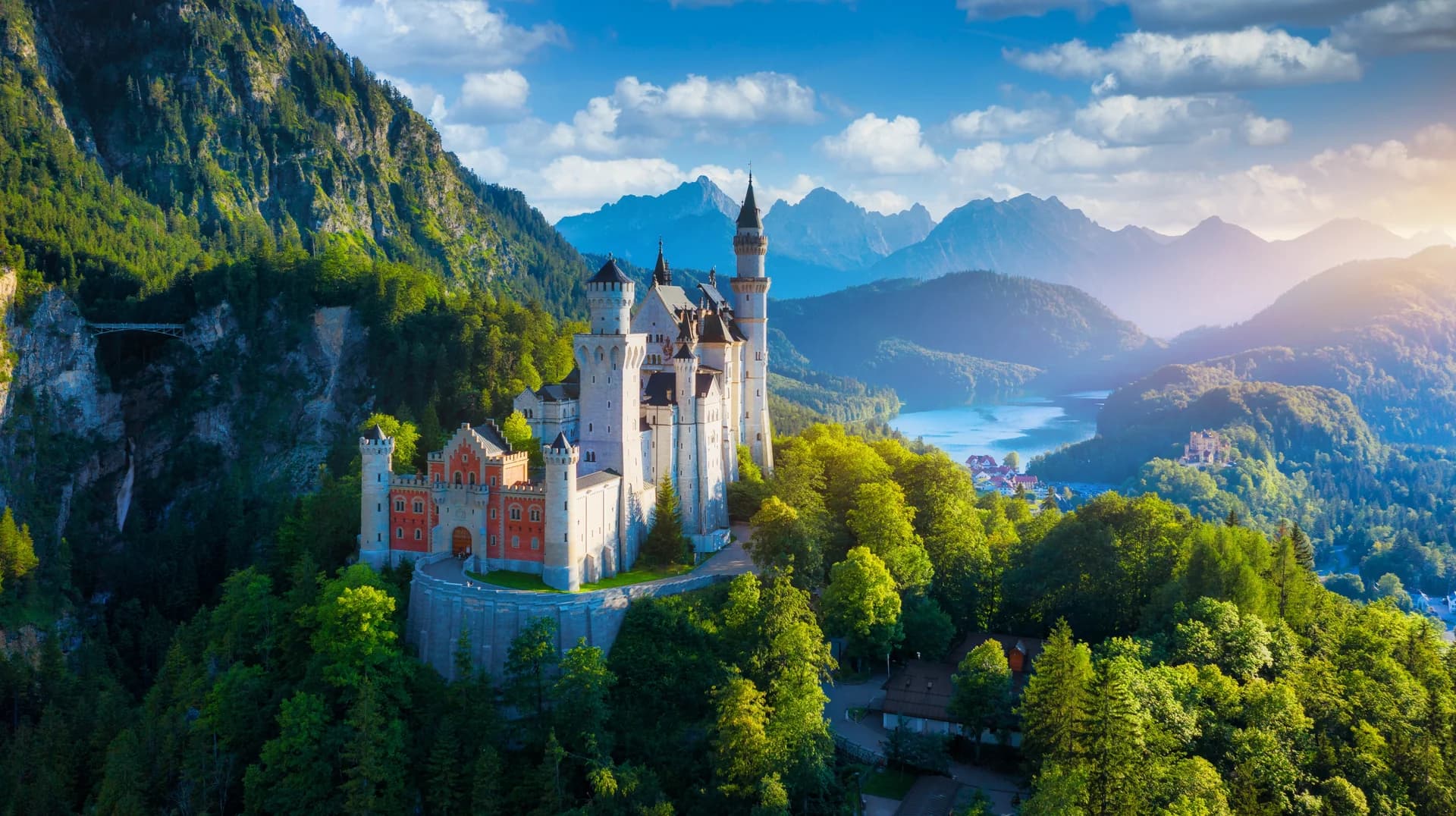
Across Europe and beyond, hundreds of castles, manor houses, châteaux, and historic estates are on the market at any given time. From rural fortresses in France and turreted estates in Scotland to grand properties in Italy, Germany, these historic properties can sometimes cost less than a city apartment in a major capital. What was once considered an impossible dream is, in many cases, a realistic investment opportunity.
But buying a castle is about far more than starting a fairy tale. Today, historic estates are increasingly being transformed into thriving businesses: boutique hotels, wedding venues, cultural centers, vineyards, event spaces, wellness retreats, and private rental properties.
What to keep in mind...
Purchasing a castle comes with unique considerations: restoration costs, preservation regulations, maintenance responsibilities, and operational planning. Yet with the right research, financing strategy, and vision, owning a castle can shift from fantasy to feasible.
To buy a castle, you need to find specialized listings and partner up with real estate experts who can understand all the costs. You acquire a piece of history, but you also accept a specific set of legal obligations. Most European countries protect these structures under monument regimes that dictate how you can renovate, who can live there, and how much tax you pay.
Many properties never appear on public listing sites because families hold them for generations or regulations limit who can buy them. This means the public market often shows only a fraction of what actually exists.
In this guide, we’ll explore how to buy a castle, what to consider when choosing a historic property, and what to avoid when turning a historic property into both a personal sanctuary and a powerful business opportunity.
Can you buy a castle in Europe? How to buy a castle
Yes, you can buy a castle in Europe in 2026 even if you’re a foreigner. In some countries, the state actively encourages potential owners to buy the historic property with some tax incentives. The market has plenty of opportunities, provided that you know where to look.
If you’re asking yourself how to buy a castle, the best way to do it in 2026 is by connecting with dedicated specialists. We source listings from specialist brokers and private sales to give you a full view of assets that you can legally own.
Why Buy a Castle?
Castles are not neutral assets. They are complex, living structures with histories, legal protections, and operational demands. Your intention determines whether the experience becomes manageable and rewarding, or overwhelming.
1. Private Residence
Some buyers envision a castle as a private residence, a singular home filled with character and permanence. The scale offers privacy, architectural beauty, and a sense of legacy that few modern properties can match. However, transforming a centuries-old structure into a comfortable primary home requires thoughtful modernization.
Heating vast stone halls, upgrading plumbing and electrical systems, installing insulation without compromising historical integrity, and maintaining extensive roofs and façades all require consistent investment. Choosing to live in a castle full-time is less about romance and more about embracing stewardship.
2. Holiday home
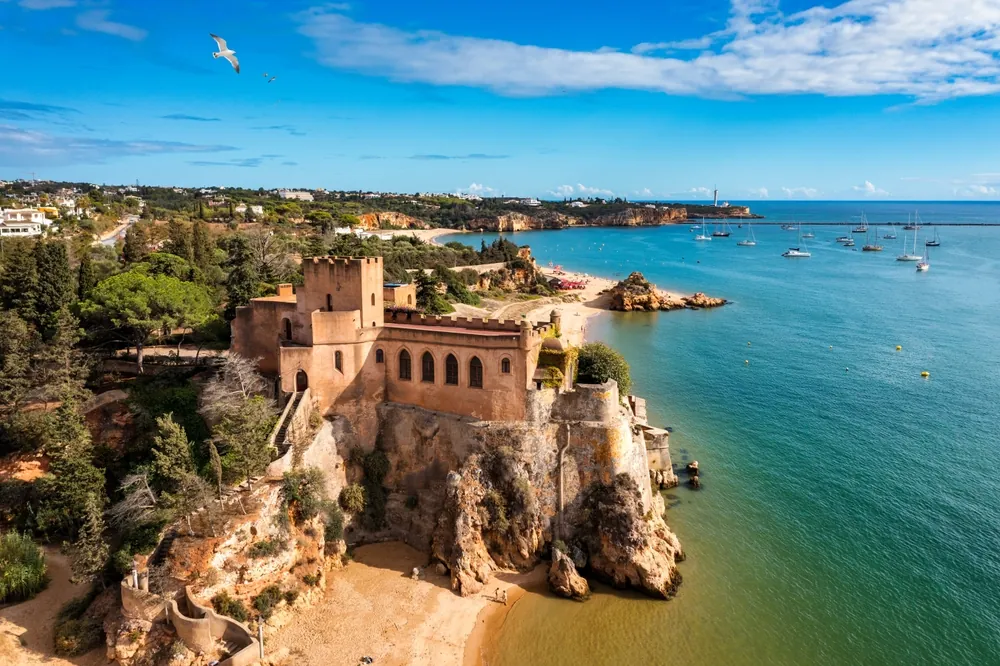
Others are drawn to the idea of a castle as a holiday home, a seasonal escape that combines prestige with privacy. This model offers flexibility, allowing owners to enjoy the estate for part of the year while maintaining their primary residence elsewhere. Yet a property of this scale cannot simply be locked and left.
Grounds require constant care, roofs and drainage systems must be monitored, and security must be ensured. Insurance premiums for historic properties, especially those unoccupied for long stretches, can be higher than standard second homes. If the property is located in a different country, owners must also navigate cross-border taxation, reporting requirements, and inheritance planning.
Some holiday-home buyers offset costs by renting the estate periodically, but doing so may reclassify the property as commercial, triggering additional taxes and regulatory requirements.
3. Business ventures
For more entrepreneurial buyers, the castle represents a business opportunity. Hospitality is one of the most common and financially strategic uses for historic estates today. Castles are transformed into boutique hotels, wedding venues, retreat centers, vineyard estates, or luxury event spaces. In this model, the property becomes a brand.
However, converting a castle into a hospitality venue is capital intensive. Fire safety systems, accessibility adaptations, commercial kitchens, expanded bathroom facilities, upgraded electrical infrastructure, and parking solutions may all be required to meet modern regulations. Zoning laws must permit commercial use, and operating licenses are mandatory. Taxes typically increase when a property is classified as commercial, and owners must account for payroll, tourism levies, value-added taxes, and corporate structures. Staffing becomes essential, from management and housekeeping to chefs, groundskeepers, and marketing teams. While the revenue potential can be substantial, this path requires business discipline, operational expertise, and sustained marketing efforts. A castle hotel is not a passive investment; it is a full-scale enterprise.
4. Restoration
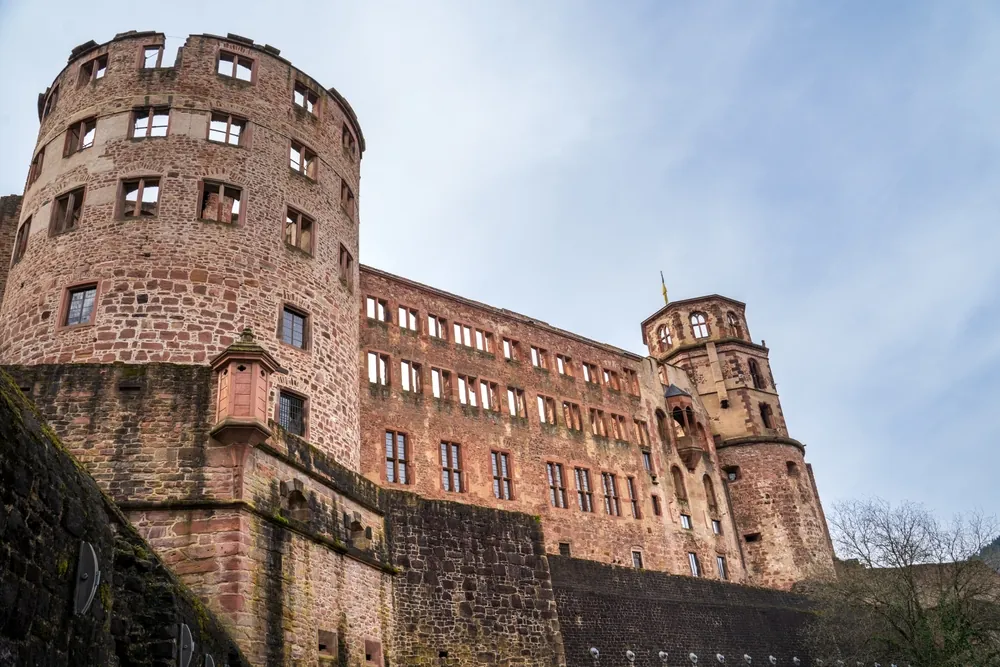
There are also buyers motivated primarily by restoration and long-term appreciation. Some castles come to market at a low price precisely because they require extensive work. For investors or heritage enthusiasts, the opportunity lies in restoring architectural integrity over time and increasing the property’s cultural and financial value. Yet restoration projects demand patience and specialized expertise. Structural stabilization, masonry repair, roof reconstruction, and archaeological considerations can significantly expand budgets.
Skilled conservation architects and craftspeople are often required to comply with preservation standards. In certain countries, grants or tax deductions are available for heritage restoration, partially offsetting costs. Still, the time horizon for value realization may span years or even decades. Historic estates are niche assets, and resale can take longer than conventional real estate. This path is best suited to those who view ownership as guardianship rather than quick investment turnover.
What “Castle” Actually Means
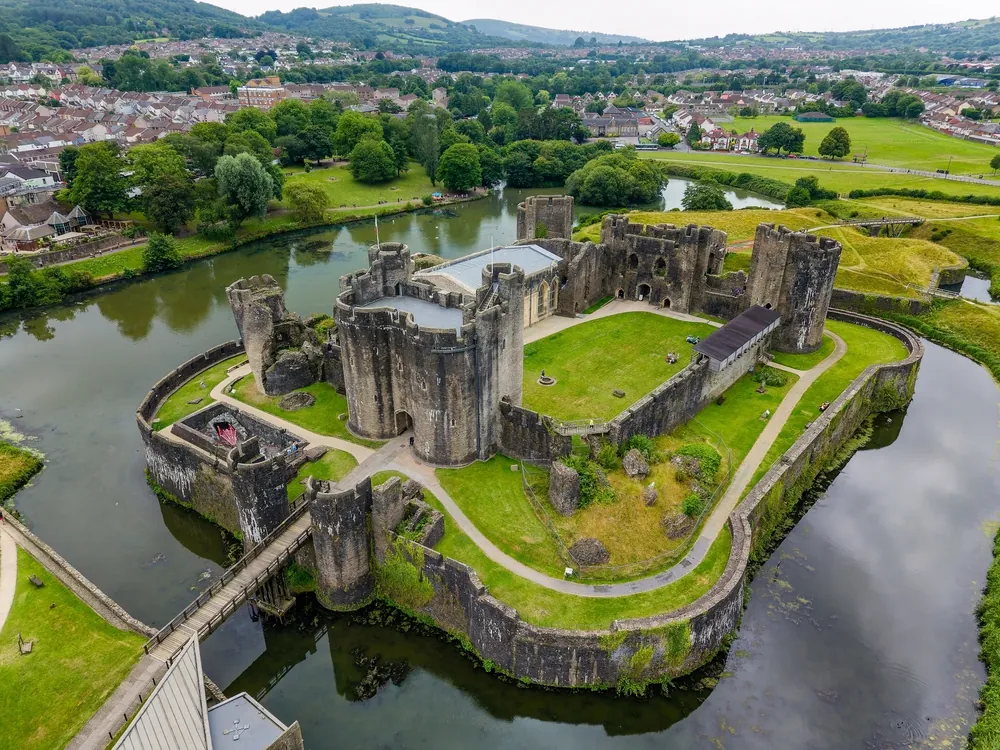
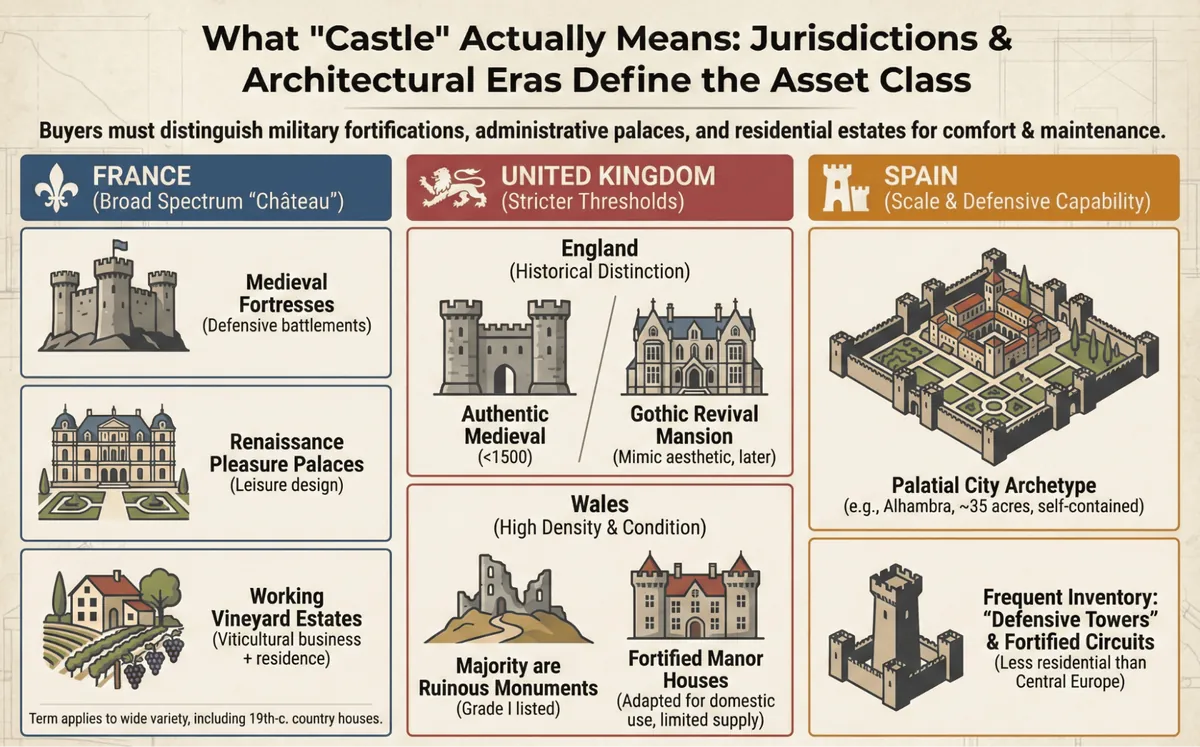
When you consider how to buy a castle, you must define what you want before you look, since "castle" means different things across Europe. This distinction determines your comfort level and your maintenance bills.
French law applies the term château (castle) to a broad class of structures. Fortresses from the Middle Ages with defensive battlements, Renaissance pleasure palaces built for fun, country houses from the 19th century, and working vineyard estates (even farmhouses) are all included in this category.
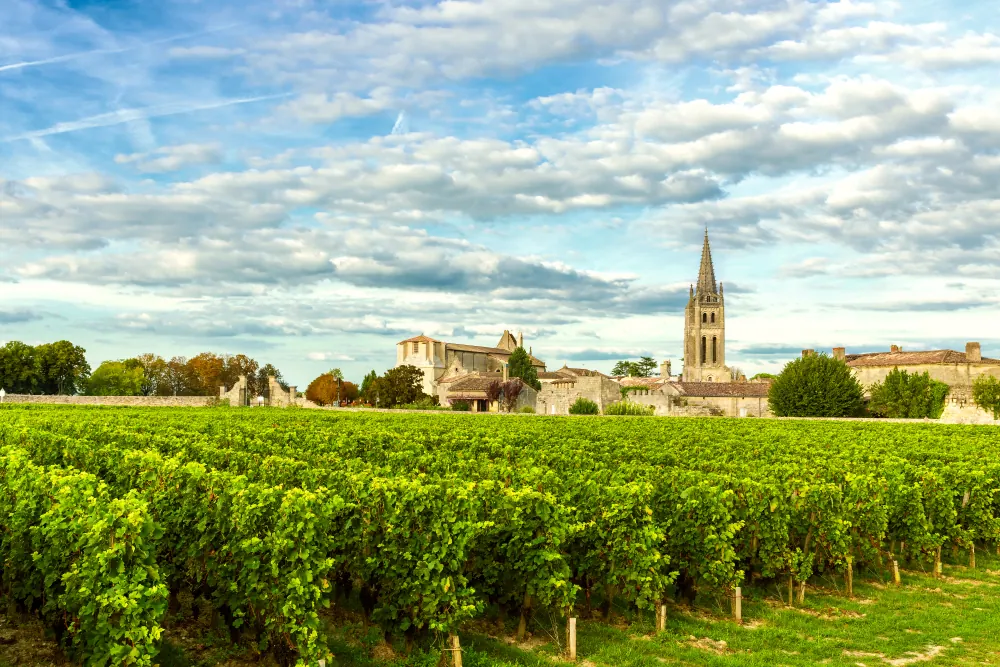
So, a buyer in France can acquire a grape farming facility attached to a residence rather than a purely defensive structure, and both are legally called a château. Actually, a small one-hectare vineyard near Bordeaux and the imposing Chambord stronghold can be both called a château. That’s why the term can be misleading to foreign buyers.
The UK has stricter rules when it comes to architecture and history. In England, the market distinguishes authentic medieval fortifications built before 1500 from later Gothic Revival mansions designed to mimic the aesthetic of a fortress.
In Wales you will find a high density of ruins, but very few habitable homes. You must distinguish between a Grade I listed monument and a fortified manor that you can actually live in.
Spain listings often consist of defensive towers or fortified circuits rather than the residential palaces you find in Central Europe.
The True Cost of Buying a Castle
The purchase price is only the beginning.
One of the most common misconceptions about buying a castle is that the listed sale price represents the full investment. In reality, the purchase price is often just a fraction of the financial commitment required. Buyers must account for transaction taxes, legal fees, notary costs, and, in some countries, stamp duties that can add a significant percentage to the purchase price. Depending on the jurisdiction, heritage classification may influence tax obligations, sometimes offering incentives, other times imposing additional compliance costs.
1. Renovation is another major factor. Even well-maintained castles often require modernization of electrical systems, plumbing, roofing, heating infrastructure, and insulation. If the property is protected as a historic monument, restoration work may need to follow strict conservation guidelines, which can increase both time and expense. What appears structurally sound at first glance may conceal substantial investment needs beneath centuries-old stone and timber.
2. Maintenance is not occasional: it is continuous. Large estates demand ongoing care: roof inspections, façade preservation, drainage management, landscaping of extensive grounds, and routine system servicing. Annual upkeep alone can represent a meaningful percentage of the property’s value.
3. Insurance premiums for historic buildings also tend to be higher than for conventional homes, particularly when reconstruction would require specialized materials and craftsmanship. And if the castle is intended for commercial use additional layers of cost emerge. Staffing, operational licensing, safety compliance, marketing, utilities at commercial scale, and payroll taxes must all be factored into financial projections.
Buying a castle is not simply a real estate transaction; it is a long-term financial ecosystem. Understanding the full spectrum of expenses from the outset allows buyers to move forward with clarity, realism, and confidence, turning an extraordinary property into a sustainable investment rather than an unexpected burden.
How Much Does It Cost to Buy a Castle
Buying a castle can cost between €100,000 and €20 million and beyond. So: It depends. How much capital you need will vary depending on the area, the condition of the buildings, and the size of the estate. Based on market data, specific entry-level and mid-market price anchors are set in key areas.
Scotland 🏴 £130,000. Scottish inventory includes “roofless shells” and remote tower houses at this price point. But to become habitable, these buildings would require a big investment. A budget of €750,000 secures a castle described as “frozen in time,” comparable to the price of a two-bedroom flat in the West End neighbourhood of Edinburgh.
England 🏴 £500,000. The entry level is defined by restoration opportunities. Prices range from £2 million to £8 million for castles that can are "turnkey" and have all the amenities needed for everyday life. Large estates and large plots of land make up the top end of the market, which trades for more than £20 million.
Wales 🏴 £600,000. Fortified manor houses that can be lived in start at this price point. Due to the large number of castles that are in public trust or in ruins, inventory is limited in Wales.
Ireland 🇮🇪 €950,000. This budget secures a habitable tower house or a medieval keep. Irish listings often come with large plots of land, which makes the prices higher than for similar homes in continental Europe.
Belgium 🇧🇪 €1.5 million. A budget of €1.5 million buys an entire fortified estate with extensive grounds. In comparison to Northern France or England, the Belgian market has more land and square feet for each euro.
Poland 🇵🇱 €1.5 million. This price point grants access to elegant palaces and Teutonic fortresses. As of now, the market is not as liquid as it is in Western Europe, but it offers good architectural assets for the money invested.
France 🇫🇷 €2 million. Well-maintained châteaux start at this level. A €2 million budget typically buys a smaller 19th-century country house or a minor historical fortress. Significant strongholds that go back to the Middle Ages, or more elegant châteaux, trade for many times this amount.
Germany 🇩🇪 €2 million. This is the starting price for trading castles that can be lived in outside of big cities. Prices in this sector are affected by strict rental laws and maintenance duties.
Spain 🇪🇸 €100,000. The Spanish market seemingly comes with the lowest entry price in Southern Europe. But this figure is relatively misleading. This investment covers a broken tower or a small defensive fortification that needs to be completely rebuilt. These assets often lack utility connections and habitable interiors, so getting a functional castle will cost much more.
Italy 🇮🇹 €2 million. Restored castles and fortified villas start here. Different parts of Italy have very different prices. Homes in Tuscany or Lombardy sell for much more than homes in the south.
United States 🇺🇸 Luxury market pricing. Rather than medieval fortifications, the US market is made up of “castle-style” estates or Gothic Revival mansions. The only category that these are sold as is high-end residential real estate. A 1998 castle in Texas with a Bavarian facade went for sale for $15 million.
To figure out how much to pay for a castle, you have to inquire about how much it will really cost. Fees for transaction, expert surveys, and immediate upkeep usually add 12 to 15 percent to the initial capital cost. If you’re in Belgium, for example, this cost could be even higher. So it really depends on each location and legal framework.
Regulation and Tax Incentives
Heritage laws often look like obstacles, but they can also present financial benefits. Understanding these rules helps you calculate the true cost of ownership.
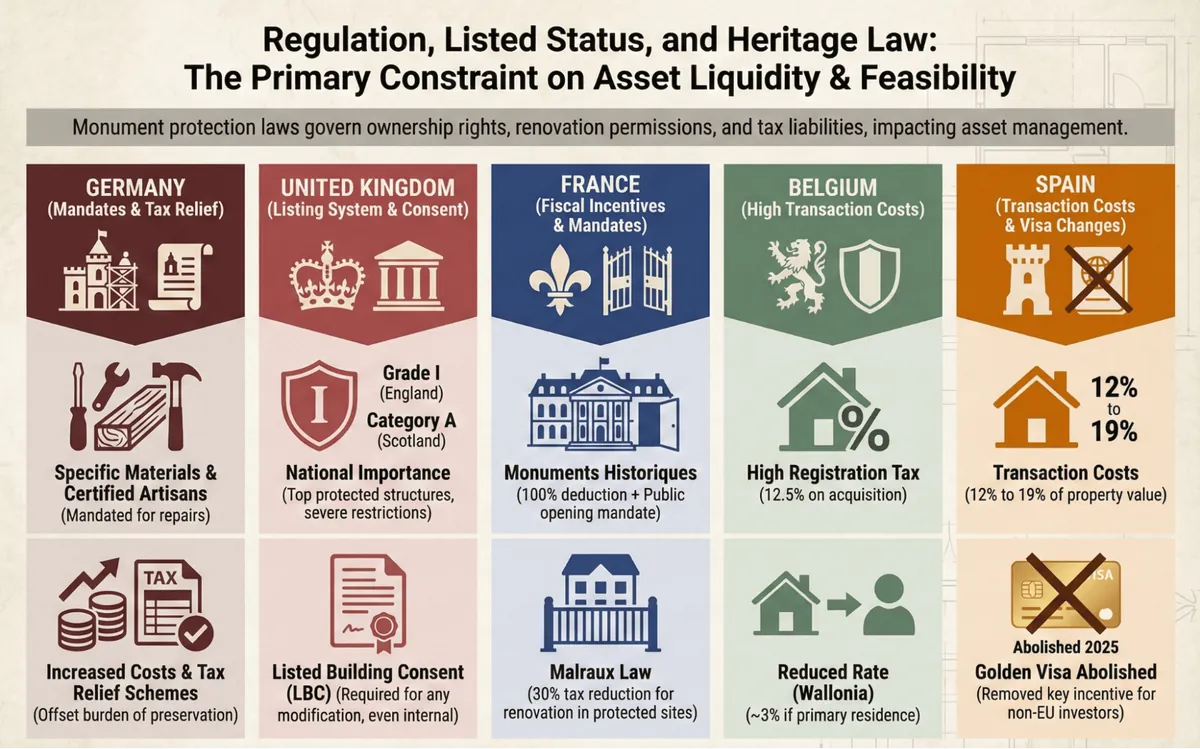
For example, German monument laws mandate specific materials and certified artisans for repairs. State authorities enforce the use of period-correct timber, stone, and mortar, which increases restoration costs significantly. This increases your repair costs, but it also triggers tax relief schemes that offset the burden.
The United Kingdom uses a listing system to categorise buildings by national importance. Grade I listed buildings constitute the top 2.5% of protected structures and impose the most severe restrictions on alteration. Owners must obtain Listed Building Consent (LBC) for any modification affecting the character of the building, including the interiors. Scotland classifies properties as Category A, B or C. Getting category A status means that something is important on a national level, and the owner has to follow strict conservation rules.
In France, the state encourages preservation through the tax code. If you classify your property as a "Monument Historique" and open it to the public for a minimum number of days, you can deduct 100% of your maintenance and restoration costs from your taxable income. On the other hand, the Malraux law (established by the notable culture minister André Malraux in the 1960s) lowers taxes by 30% for renovations done on homes that are in protected heritage sites.
Belgium imposes high transaction costs on acquisition. Buyers face a registration tax of 12.5%. This rate goes down to about 3% in Wallonia if the buyer plans to live in the castle full-time. Spain applies transaction costs ranging from 12% to 19% of the property value. Starting in early 2025, the Spanish government got rid of the "Golden Visa" residency path for €500,000 in real estate investments. This took away a big incentive for investors from outside the EU.
Choosing the Location of Your Castle
Where you buy can be just as important as what you buy.
Castles may share architectural grandeur across borders, but the legal, financial, and regulatory framfeworks that govern them vary dramatically from country to country. Selecting the right jurisdiction is a strategic decision that can shape your ownership experience for decades.
First and foremost, buyers must understand property ownership rules. Some countries place restrictions on foreign purchasers, require special permits, or impose additional taxes on non-residents. Others offer straightforward acquisition processes and strong protections for private property rights. The ease of purchase, inheritance planning rules, and residency implications can all influence the long-term viability of your investment.
Tax regimes also differ significantly. Transfer taxes, stamp duties, annual property taxes, wealth taxes, and capital gains taxes can substantially affect total cost. In certain jurisdictions, historic or listed properties benefit from tax incentives, restoration grants, or deductions for conservation work. In others, commercial use may trigger higher tax rates or additional levies tied to tourism and hospitality operations. Understanding whether a country encourages heritage investment, or simply regulates it, is essential.
Perhaps most critical are heritage protection laws. Many castles are officially listed as protected monuments, which can limit what owners are allowed to alter. Renovations may require approval from cultural authorities, and changes to façades, interiors, or structural elements may be restricted or even prohibited. While these protections preserve historical integrity, they can affect timelines, budgets, and business plans. Buyers intending to convert a castle into a hotel or event venue must ensure that local regulations permit such transformations.
Find Castles for Sale in Europe
The market and the negotiations on how to buy a castle change depending on where you look. You will find state-protected monuments in one country and commercial estates in another. This variety allows you to choose a property that fits your intentions, like having a private home or a business venue.
At Castle Collector we maintain a portfolio of heritage properties across the continent. Join our mailing list, and you’ll receive updates whenever a castle enters the market.
Common Mistakes to Avoid
Buying a castle is often an emotional decision, and that is precisely where problems can begin. Many first-time buyers fall in love with the romance of towers and tapestries, only to discover that sentiment does not replace due diligence. Emotion can inspire the purchase, but it cannot sustain it.
One of the most frequent mistakes is buying purely on romance, without fully assessing structural condition, regulatory constraints, or long-term viability. Closely related is the tendency to underestimate operating costs. Maintenance, utilities, staffing, and compliance expenses can quickly exceed initial projections, particularly in large historic estates.
Understanding these common pitfalls is not about discouraging ambition, it is about protecting it. With clarity and preparation, the dream of owning a castle can remain inspiring without becoming impractical.
1. Ignoring Operating Costs
The most dangerous financial mistake castle buyers make is focusing on acquisition and renovation while underestimating what it costs to run the property year after year.
Castles are operationally intensive. Heating alone can be a major expense, particularly in large stone structures with high ceilings and original windows. Even with modern upgrades, energy bills can be significantly higher than those of conventional homes. Grounds maintenance is continuous: lawns, forests, lakes, drainage systems, historic gardens, and access roads all require attention. Roof inspections, masonry repairs, pest control, and periodic structural assessments are not optional, they are part of preserving the asset.
If the property operates commercially, expenses multiply. Staffing becomes a recurring cost: managers, housekeepers, chefs, event coordinators, groundskeepers, and maintenance technicians. Utilities scale with guest usage. Licensing renewals, fire inspections, health compliance checks, accounting services, marketing campaigns, and booking platform commissions all reduce margins.
Before purchasing, commission a detailed annual operating budget. Speak to current or former owners of similar properties. Request historical utility bills and maintenance records. Build conservative projections and include a contingency buffer of at least 15–25% above expected annual costs. Treat the castle as an operating ecosystem, not a static asset.
2. Underinsuring
Insurance is often treated as a routine administrative step, but with castles it becomes a highly specialized necessity.
Historic properties can require bespoke reconstruction techniques and rare materials. If a fire damages a 17th-century timber roof or a stone tower collapses in a storm, rebuilding costs may far exceed the property’s market value. Standard policies may not account for heritage-specific restoration standards or the cost of skilled conservation craftsmen.
For commercial operations, liability exposure increases significantly. Hosting weddings, retreats, or public events introduces risks ranging from guest injuries to alcohol-related incidents. Without adequate liability coverage, a single claim can destabilize the entire investment.
Some owners also underestimate the risks associated with vacant periods. Castles used seasonally are more vulnerable to undetected leaks, electrical faults, or vandalism.
Work with insurers who specialize in historic or heritage properties. Ensure the policy covers full restoration value, not simply market resale value. If operating commercially, secure robust public liability and event coverage. Review policies annually and adjust coverage as renovations or business activities expand.
3. Overestimating Tourism Income
A castle’s visual appeal can create the illusion that visitors will naturally arrive in large numbers. But charm alone does not guarantee bookings.
Tourism demand depends heavily on location, accessibility, regional branding, airport proximity, and market positioning. A breathtaking estate in a remote area may struggle to maintain occupancy without strong marketing and infrastructure support. Seasonal fluctuations can also dramatically affect revenue, particularly in regions dependent on summer weddings or holiday tourism.
There is also the risk of optimistic occupancy projections. Assuming high booking rates year-round can distort financial planning and create cash flow pressure in low seasons.
Conduct a professional feasibility study before purchasing. Analyze regional tourism statistics, average occupancy rates, and pricing benchmarks. Speak to local hospitality operators. Build conservative income projections based on realistic occupancy scenarios, not peak-season performance. Consider phased openings rather than launching full-scale operations immediately.
4. Choosing the Wrong Region
Location is not just about scenery; it determines legal structure, market demand, tax exposure, and long-term sustainability.
Some regions offer strong tourism ecosystems, tax incentives for heritage restoration, and efficient administrative processes. Others may impose complex bureaucratic requirements, high transfer taxes, strict renovation restrictions, or limited commercial zoning flexibility.
Economic stability and political climate also matter. Shifting regulations, evolving property laws, or changing tax regimes can impact long-term investment value.
Finally, regional brand perception plays a role. Certain countries are globally associated with castles and heritage tourism, naturally attracting international buyers and guests. Others may require more intensive marketing to reach comparable visibility.
Research beyond the property itself. Study local property laws, foreign ownership regulations, tax structures, and zoning classifications. Visit the area multiple times in different seasons. Consult local lawyers, accountants, and real estate specialists with experience in historic estates. Align your intended use with what the region realistically supports.
Is Buying a Castle Worth It?
Buying a castle makes sense when you approach it as both a passion project and a structured commitment.
It is particularly worthwhile when you have a clear purpose for the property, whether as a primary residence, a lifestyle retreat, a hospitality venture, or a mixed-use estate. Clarity reduces costly pivots later. It also makes sense when you have sufficient liquidity not only for acquisition, but for sustained maintenance and unexpected repairs. Castles reward financial resilience.