
How to Assess a Castle’s Condition Before You Buy
Learn how to assess a castle before buying—structural risks, damp and drainage, utilities, heritage constraints, and the specialist surveys you’ll need.
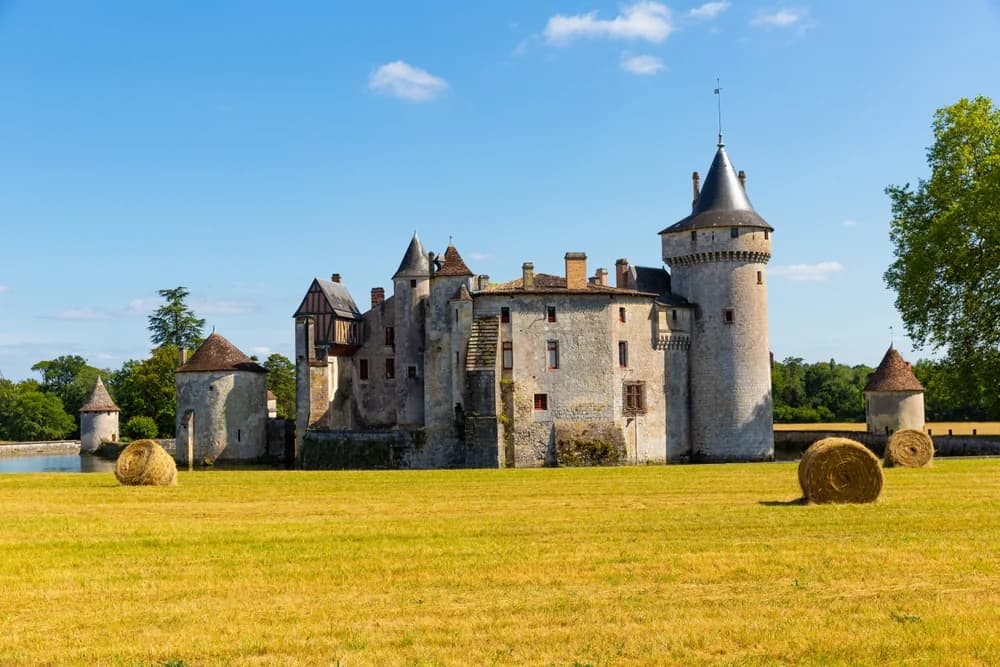
Purchasing a castle is a rare opportunity to own a piece of history, but it also comes with responsibilities that go far beyond a standard property purchase. Unlike modern homes, castles and other historic properties were built using traditional techniques, natural materials, and layouts that predate today’s living standards by centuries. Assessing a castle’s condition is essential. A thorough evaluation helps buyers understand what can be preserved, what must be restored, and what adaptations may be required to make the property comfortable, compliant, and financially viable.
Renovations often require specialised craftsmanship, conservation-approved materials, and professionals experienced in historic structures. Issues such as ageing stonework, moisture ingress, outdated utilities, or limited insulation can significantly affect both restoration costs and long-term maintenance. In addition, many castles lack modern infrastructure, meaning that integrating heating, plumbing, electricity, and connectivity must be carefully planned to respect the building’s historic fabric.
Beyond practical considerations, a detailed assessment is frequently a requirement for mortgages, grants, or other financing options. Lenders and institutions typically demand clear reports on structural integrity, foundations, and overall condition before approving funding for historic properties. Understanding these factors early can prevent costly surprises and strengthen your position as a buyer.
Structural Assessment
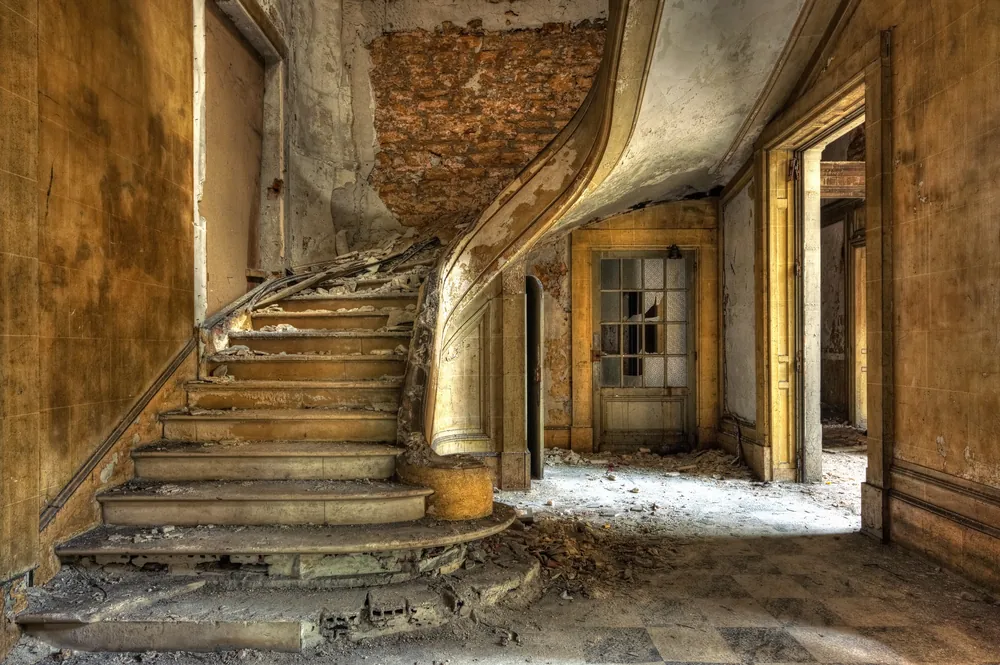
At its core, a structural assessment is a detailed inspection carried out by a qualified structural engineer or conservation surveyor with experience in historic buildings. Its purpose is to evaluate the load-bearing elements of the structure, identify signs of movement or failure, and determine whether the building is stable, repairable, or in need of urgent intervention. For castles and heritage properties, this process must balance safety, longevity, and conservation principles.
A comprehensive structural assessment for a castle typically focuses on the main elements that keep the building standing: walls, towers, roofs, floors, and structural connections. Each component is assessed in the context of age, materials, and historical construction techniques.
Load-Bearing Walls and Masonry
Stone and masonry walls are the backbone of most castles. During a structural assessment, experts examine:
- Cracking patterns and their direction, which may indicate settlement, movement, or historical stress
- Bulging or bowing walls, often caused by foundation movement or roof spread
- Erosion, weathering, or decay of stone and mortar
- Past repairs, including incompatible materials such as modern cement mortars that can trap moisture and accelerate deterioration
Special attention is given to whether damage is historic and stable or active and progressive, as this directly impacts restoration urgency and cost.
Towers, Turrets, and Vertical Elements
Castles often feature towers, turrets, and tall vertical structures that are especially vulnerable to movement and wind exposure. An assessment of these elements will verify:
- Vertical alignment and signs of lean or rotation
- Stress fractures around openings, staircases, or upper levels
- Load transfer between floors, staircases, and supporting walls
These elements can be structurally complex and expensive to repair, making early identification of issues essential.
Roof Structure and Load Distribution
Roofs play a vital role in protecting historic structures from water ingress, one of the greatest threats to long-term stability. A structural assessment will review:
- Timber trusses, beams, and rafters for rot, insect damage, or deflection
- Roof spread, where outward pressure from the roof pushes walls apart
- The condition of roof coverings and how effectively they shed water
In many castles, roof failure is the root cause of wider structural damage, making this evaluation particularly important.
Floors, Ceilings, and Internal Structure
Historic floors are often constructed from timber or stone vaulting and may not meet modern load expectations. Assessments examine:
- Sagging or uneven floors
- Structural capacity for modern use, especially if the property is intended for residential or commercial purposes
- Connections between floors, walls, and beams
This is especially relevant for buyers planning to adapt a castle for modern living or hospitality use.
Foundations and Building Movement
While foundations are often hidden, structural engineers look for indirect signs of foundation issues, such as:
- Differential settlement causing uneven floors or stepped cracking
- Movement linked to soil conditions, drainage problems, or nearby vegetation
- Historic adaptations where foundations were extended or altered over time
In older properties, foundations may be shallow or inconsistent, which does not automatically mean failure but does require specialist interpretation.
Moisture, Drainage & Foundations

Understanding how moisture interacts with a historic building is central to assessing a castle’s condition. A proper evaluation does not aim to make the building “dry” in a modern sense, but to ensure that moisture can enter and leave the structure in a controlled, non-damaging way.
Why Moisture Poses a High Risk
Stone, brick, and lime mortar are porous materials. They absorb moisture during wet conditions and release it as the environment dries. Problems arise when water ingress increases beyond what the building can naturally expel, or when inappropriate modern materials prevent evaporation. Persistent moisture accelerates stone decay, washes salts to the surface, weakens mortar joints, and creates conditions for timber rot and insect infestation. Over time, this can compromise structural stability and significantly increase restoration costs.
In castles, moisture issues are often amplified by their scale, exposed locations, thick walls, and proximity to sloping land, rivers, or historic moats. Lower levels, vaulted rooms, cellars, and towers are especially vulnerable, as they sit closer to ground moisture and often receive limited ventilation.
Specialists will study how water behaves around and within the building. They assess whether moisture is entering from above, through walls, or from the ground, and whether it can escape naturally. This involves careful visual inspection, moisture readings interpreted in a historic context, and an understanding of how the building has performed over time.
Experts look for patterns of damp rather than isolated marks. Staining, salt deposits, blistering plaster, algae growth, and friable stone can all indicate long-term moisture movement. Cracking combined with damp can suggest foundation movement linked to fluctuating ground moisture. Externally, surveyors assess roof drainage, rainwater goods, and ground levels, noting whether water is being directed toward the building rather than away from it.
Drainage is examined both above and below ground. Many castles have drainage systems that are centuries old, partially collapsed, or altered over time. Blocked drains, broken downpipes, and poorly managed surface water are common contributors to damp problems. Historic features such as wells, moats, and underground channels are also considered, as they can dramatically influence ground saturation and foundation behaviour.
Foundations are assessed indirectly through signs of movement and settlement. Because foundations in historic properties are rarely uniform or documented, experts focus on how stable the structure is rather than whether it meets modern standards. Uneven floors, stepped cracking, leaning walls, and distorted openings may indicate that moisture-related ground movement is affecting the building’s base.
Who Should Assess and Address These Issues
Owners and buyers should seek professionals with proven experience in historic and listed buildings. In the UK, this typically includes conservation-accredited surveyors, structural engineers specialising in heritage structures, and building pathologists who focus on moisture behaviour in traditional buildings. Across Europe, similar expertise can be found in architects and engineers with conservation credentials, often recognised by national heritage bodies.
General damp-proofing contractors are rarely suitable for castles. Many modern damp solutions, such as injected chemical barriers or impermeable coatings, can worsen problems by trapping moisture within thick masonry walls. Conservation specialists understand how traditional materials behave and can recommend solutions that respect the building’s historic fabric.
For complex cases, a multidisciplinary approach is often required. This may involve a conservation surveyor to diagnose moisture sources, a structural engineer to assess foundation stability, and a drainage specialist experienced in historic sites to design sympathetic water management solutions.
How to Identify Early Warning Signs
While professional assessment is essential, owners can often spot early indicators of moisture and drainage issues. Persistent damp smells, visible salt crystals, recurring mould in specific areas, or finishes that fail repeatedly despite repairs can all suggest underlying moisture problems. Externally, overflowing gutters, water pooling near walls, or vegetation thriving unusually close to foundations may indicate poor drainage.
Monitoring changes over time is particularly important. Historic buildings often move and respond seasonally, so gradual changes may reveal more than isolated defects.
Addressing moisture and foundation issues in a castle is usually about management rather than eradication. Effective solutions often start with simple, non-invasive measures such as improving roof maintenance, clearing drainage systems, adjusting ground levels, and restoring breathable lime-based materials. In many cases, these steps significantly reduce moisture levels without the need for major structural intervention.
Where more substantial work is required, it must be carefully designed and approved, particularly for listed or protected properties. Long-term success depends on understanding the building as a system, respecting its original construction, and working with specialists who prioritise conservation over quick fixes.
Moisture, drainage, and foundations are deeply interconnected in historic castles. A thorough, specialist-led assessment in this area protects not only the structure itself, but also the investment, usability, and future of the property.
Utilities & Modern Infrastructure

Assessing utilities in a castle requires an understanding of how modern systems can be introduced into ancient fabric in a way that is discreet, reversible where possible, and compliant with conservation regulations. For buyers, this assessment is essential to understanding both the feasibility and the cost of making a castle habitable by today’s standards.
Existing Utility Systems
Many castles have undergone partial modernisation over decades, or even centuries, resulting in a patchwork of outdated, incompatible, or poorly documented systems. Specialist surveyors begin by identifying what infrastructure already exists, how old it is, and whether it meets current safety and regulatory requirements.
Electrical systems are a key priority. Older installations may not be grounded, may lack sufficient capacity for modern usage, or may pose fire risks due to ageing wiring concealed within walls and floors. Specialists assess load capacity, distribution routes, and whether the existing system can be upgraded or must be replaced entirely. In historic properties, routing new cabling is often as challenging as the system itself, requiring careful planning to avoid damaging stonework or decorative elements.
Plumbing and water supply are equally critical. Castles may rely on a mix of historic pipework, private water sources, or outdated connections to public networks. Surveyors examine pipe materials, water pressure, and the risk of leaks within thick masonry walls. Particular attention is paid to how water is distributed vertically within towers and multi-storey structures, where pressure and access issues are common.
Sewage and drainage systems often present some of the most complex challenges. Many castles predate modern sewer networks and may rely on septic systems, historic drains, or adaptations that no longer meet environmental regulations. Specialists assess whether existing systems are compliant, sufficient for intended use, and capable of expansion if the property is to be adapted for residential, hospitality, or event purposes.
Heating and Thermal Comfort
Thick stone walls provide thermal mass but offer little insulation by modern standards, and many historic layouts make even heat distribution difficult. Assessors evaluate existing heating systems, if present, and determine whether they are efficient, safe, and appropriate for the building.
Conservation-focused engineers consider options such as biomass boilers, heat pumps, underfloor heating in limited areas, or traditional radiators adapted for historic interiors. They also assess whether the building can accommodate these systems without intrusive alterations. Importantly, specialists balance energy efficiency with moisture control, as overly aggressive insulation or sealing can disrupt ventilation and lead to damp problems.
Adaptability to Modern Living Standards
A central question in any utility assessment is whether the castle can realistically be adapted to meet modern expectations of comfort and functionality. This includes not only basic services, but also fire safety systems, emergency lighting, and, increasingly, digital infrastructure such as broadband and mobile coverage.
Specialists assess available service routes, voids, and historic alterations that may allow discreet installation of new systems. They also evaluate structural capacity to support additional equipment, such as plant rooms, boilers, or water storage tanks. In listed or protected buildings, they consider what level of intervention is likely to be approved by heritage authorities.
The goal is not to force a castle to behave like a modern house, but to create a sensitive balance between historic character and contemporary usability.
Heritage Elements & Specialist Reports
Castles are cultural assets, often legally protected, and their historic value extends far beyond their visual appeal. As a result, assessments, surveys, and renovation plans must be carried out by appropriately qualified experts who understand conservation principles, heritage law, and traditional construction techniques.
Heritage elements are the original or historically significant features that contribute to a property’s cultural, architectural, and historical importance. In castles, these elements are often numerous and complex. They may include original stone walls, towers, battlements, vaulted ceilings, historic roofs and timber structures, medieval fireplaces, staircases, decorative plasterwork, wall paintings, and centuries-old joinery. External features such as curtain walls, gatehouses, moats, bridges, and landscaped grounds may also be protected.
Specialists evaluate not only their physical condition, but also their significance, authenticity, and sensitivity to change. Some elements may allow careful repair or adaptation, while others must be preserved with minimal intervention. Understanding this distinction is essential before any renovation or modernisation is planned.
Key Reports Owners May Need
The exact requirements vary by country and by the level of protection applied to the property, but commonly required or recommended reports include heritage impact assessments, conservation surveys, and specialist condition reports. These documents explain the historical significance of the property, assess the impact of proposed works, and outline appropriate conservation strategies.
For protected buildings, authorities may require detailed method statements explaining how repairs will be carried out, what materials will be used, and how historic fabric will be safeguarded. Archaeological assessments may also be required, particularly where ground works are planned. In some cases, measured surveys and historic building records are necessary to formally document the property before any intervention.
Lenders, insurers, and grant bodies often rely on these reports to evaluate risk and eligibility, making them an essential part of the purchasing and renovation process.
Finding the Right Experts
Owners should always look for professionals with recognised conservation credentials and proven experience in historic properties, particularly castles.
In the United Kingdom, conservation-accredited surveyors, architects, and engineers are often registered with bodies such as Historic England, the Institute of Historic Building Conservation, or the Royal Institute of British Architects with conservation specialisation. Local conservation officers within planning authorities also play a key role in guiding permitted works.
In France, owners typically work with architects specialising in historic monuments, often recognised by the Ministry of Culture. Properties classified as monuments historiques require involvement from approved heritage architects and oversight from regional cultural authorities.
In Italy, conservation architects and engineers experienced in beni culturali are essential. Oversight is provided by regional heritage offices, and any work on protected properties must align with national cultural heritage regulations.
In Spain, heritage architects and técnicos specialising in patrimonio histórico work alongside regional heritage departments. Each autonomous community has its own cultural heritage authority, making local expertise particularly important.
In Germany, conservation professionals collaborate closely with Landesdenkmalämter, the regional monument protection offices. Specialists in Denkmalpflege guide both assessments and renovation strategies.
In Czechia, owners of historic castles work with conservation architects and experts approved by the National Heritage Institute, which oversees protected properties and advises on acceptable interventions.
Across all these countries, engaging local specialists early is crucial, as heritage regulations, approval processes, and expectations vary significantly.
When to Bring in Experts
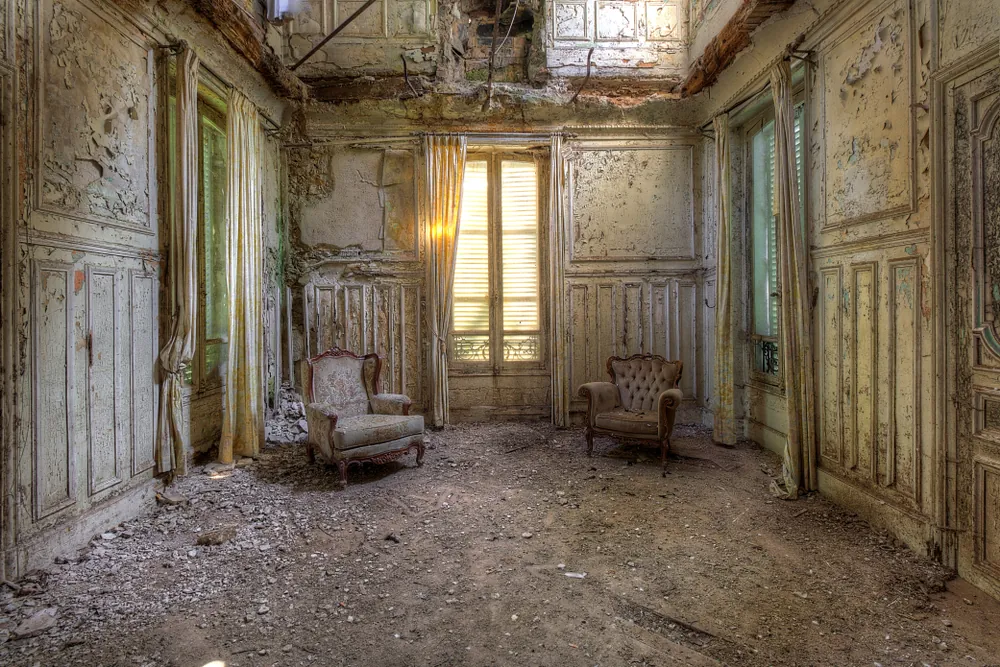
Ideally, experts should be brought in as soon as a castle becomes a serious acquisition prospect. Early-stage assessments help identify major structural, moisture, heritage, or infrastructure risks before contracts are exchanged. This information is often crucial for price negotiations, feasibility studies, and financing discussions. Waiting until after purchase can expose owners to unexpected legal, technical, and financial challenges.
Initial expert input typically begins with a high-level condition survey, which then determines whether more detailed investigations are required.
A conservation-accredited building surveyor or architect often leads the process. This professional has broad oversight of the building, understands historic construction methods, and coordinates input from other experts. They assess overall condition, identify heritage-sensitive elements, and ensure that recommendations align with conservation principles and local regulations.
Structural engineers with experience in historic buildings are essential for evaluating load-bearing walls, towers, roofs, floors, and foundations. Their expertise goes beyond modern calculations; they understand how ancient structures distribute loads, respond to movement, and age over time. They also advise on whether observed defects are historic and stable or active and progressive.
Moisture specialists or building pathologists play a critical role in diagnosing damp, drainage, and ventilation issues. In historic properties, moisture behaviour is complex, and incorrect diagnosis can lead to harmful interventions. These specialists identify moisture sources, assess material performance, and recommend breathable, conservation-appropriate solutions.
Building services engineers are brought in to assess utilities and modern infrastructure. They evaluate electrical systems, plumbing, heating, drainage, and fire safety, determining whether existing services are safe, compliant, and adaptable to modern use. Their input is particularly important when planning upgrades that must be integrated discreetly into historic fabric.
Heritage consultants and conservation specialists focus on the property’s cultural significance and legal protections. They identify protected elements, advise on what alterations may be permissible, and prepare or contribute to heritage impact assessments required for approvals. Their expertise is essential when dealing with listed buildings, scheduled monuments, or properties within protected zones.
Depending on the site, additional specialists may be required. Archaeologists are often involved when ground works are planned, particularly in castles with long and complex histories. Timber specialists assess historic beams and roof structures for decay or infestation. Stone conservators evaluate masonry condition and appropriate repair methods. In larger estates, landscape historians may assess historic grounds, walls, and water features.
Assessing a castle is not about identifying every imperfection, but about understanding the building as a whole. Bringing in the right experts at the right time creates a balanced, accurate picture of the property’s condition and potential.
Guidelines and Standards
Assessing a castle or historic property is never done in a regulatory vacuum. Across the UK and Europe, conservation practice is shaped by a network of international principles, national heritage bodies, and regional authorities that define how historic structures should be inspected, repaired, and adapted.
At their core, all major heritage guidelines are built on shared conservation principles. Internationally, these principles are articulated by the International Council on Monuments and Sites (ICOMOS), whose charters and recommendations underpin heritage policy throughout Europe. ICOMOS promotes minimal intervention, respect for original materials, reversibility of works where possible, and the use of traditional techniques and compatible materials. Crucially, ICOMOS emphasises understanding a historic structure before intervening, making thorough surveys and condition assessments a foundational requirement.
This philosophy is echoed across national systems. Whether dealing with a castle in England, France, Italy, or elsewhere in the EU, authorities generally require that a building’s history, construction methods, and current condition are properly documented before any major work is approved. Across jurisdictions, there is strong emphasis on expert-led inspections, detailed recording, and long-term monitoring rather than quick or purely cosmetic solutions.
Another common element is the distinction between maintenance, repair, and alteration. Routine maintenance is encouraged everywhere and often does not require formal approval, while repairs and alterations typically demand specialist reports and official consent. In all systems, undocumented or inappropriate work can result in legal penalties and long-term damage to the property’s value.
In the United Kingdom, Historic England provides detailed guidance on surveying and condition assessment of historic buildings. Their manuals and technical advice notes set out best practices for inspecting masonry, timber, roofs, moisture behaviour, and structural movement. While Historic England guidance itself is advisory, it strongly influences what local planning authorities expect when assessing listed building consent applications. In practice, following these guidelines is essential for gaining approvals and satisfying lenders and insurers.
In France, properties protected under the Monuments Historiques system are subject to strict inspection and reporting requirements. Condition assessments and restoration proposals must often be prepared or validated by accredited heritage architects, and inspections are carried out in line with national conservation doctrine overseen by the Ministry of Culture. The French system places particularly strong emphasis on architectural integrity and authenticity, and assessments tend to be highly detailed and formalised.
In Italy, the Soprintendenza system governs historic structures and archaeological heritage. Any assessment or intervention involving a protected property must align with national cultural heritage law. Surveys are expected to document not only physical condition but also historical stratification, meaning the different phases of construction and alteration over time. The Italian approach places strong weight on historical research and material analysis before approving any works.
At the European level, EU heritage-related standards and initiatives promote harmonisation of inspection and risk management practices, particularly for publicly significant heritage assets. While the EU does not override national heritage law, its frameworks influence funding requirements, reporting standards, and cross-border best practices. EU-backed projects often require structured condition assessments, risk analysis, and long-term conservation planning aligned with recognised heritage asset inspection standards.