
Castles in Scotland
Castles in Scotland can be purchased from around £130,000. The most iconic Scottish castles include Edinburgh Castle, Stirling Castle, and Balmoral Castle.
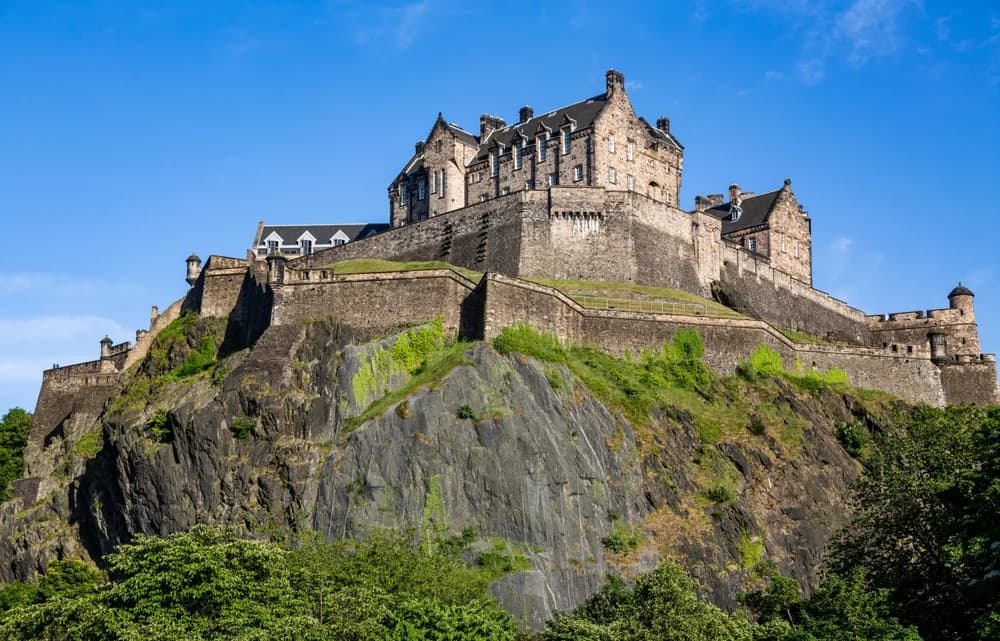
In Scotland, frequent wars (starting from the wars for Scottish independence in the 14th century) shaped how builders designed castles. Scottish castles function as fortresses first, and their military function gave birth to the Scots Baronial style. Builders built thick walls and vertical facades to withstand attacks, with castles so well-prepared that a Scottish leader once famously requested to destroy them. The purpose of this peculiar demand was simple: So that their enemy, the English, couldn’t use them against the people of Scotland. Today, the state guards some sites, while families own others.
This guide answers the core questions around Scotland’s castles, including their distribution, historical development, public access, and role within private ownership.
How Many Castles Are in Scotland?
Scotland has 3,000 castles. About 1,500 structures remain intact. Aberdeenshire holds the most sites per acre in the United Kingdom. The rest exist as ruins.
Roughly 1,500 of these structures are still standing today. They survive in varying conditions. Some are fully intact buildings, while others are roofless shells. Historic Environment Scotland and the National Trust for Scotland together recognize roughly 1,500 sites within their official registers, a figure that broadly aligns with current archaeological consensus.
The rest exist as ruins or lost sites. Approximately 500 castles survive only as collapsed masonry or fragmentary remains. Other locations are known solely through buried foundations or documentary records and require archaeological investigation for confirmation.
Famous Castles in Scotland
These castles hold national and international recognition due to their scale and continued public access.
1. Edinburgh Castle (Edinburgh)
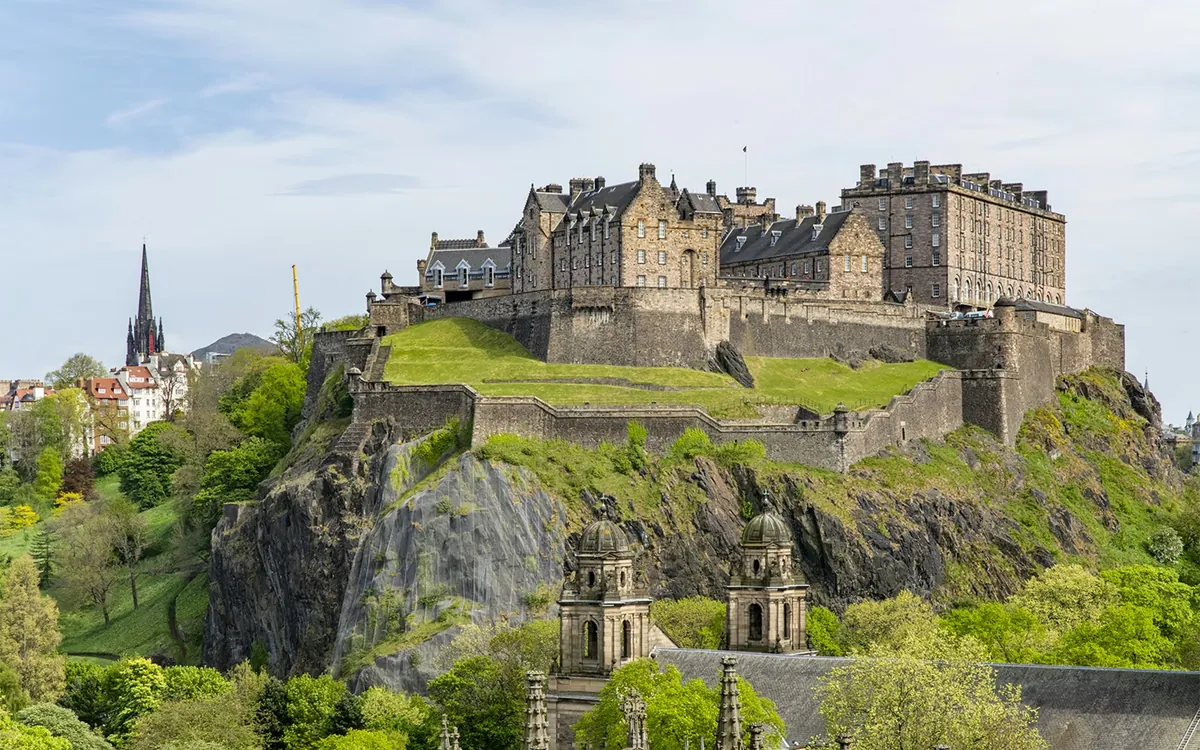
The castle receives nearly 2 million visitors annually, which effectively makes it Scotland’s most visited paid attraction. Standard adult admission is priced at £21.50 online (£24 walk-up), with additional income generated through guided tours, audio guides, retail sales, and venue hire.
During the Jacobite Risings of the 18th century, the Scottish upgraded Edinburgh Castle and added the barracks that still operate as a military facility today.
2. Stirling Castle (Stirling)
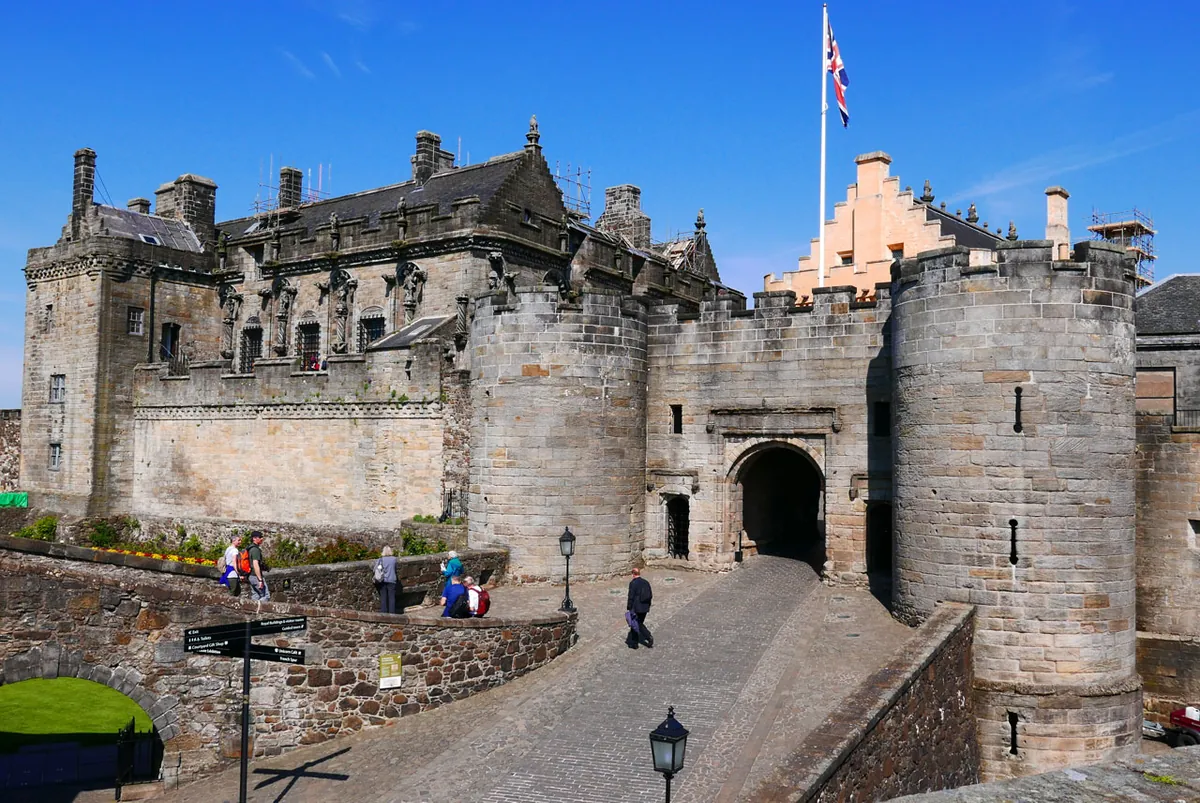
In 2024, Stirling Castle welcomed 594,938 visitors. Standard adult admission is £18.50. Visitors can explore the Royal Palace, Great Hall, Chapel Royal, and castle battlements. The site offers guided tours, costumed interpretation, and access to the Argyll and Sutherland Highlanders Museum.
3. Eilean Donan Castle (Eilean Donan)
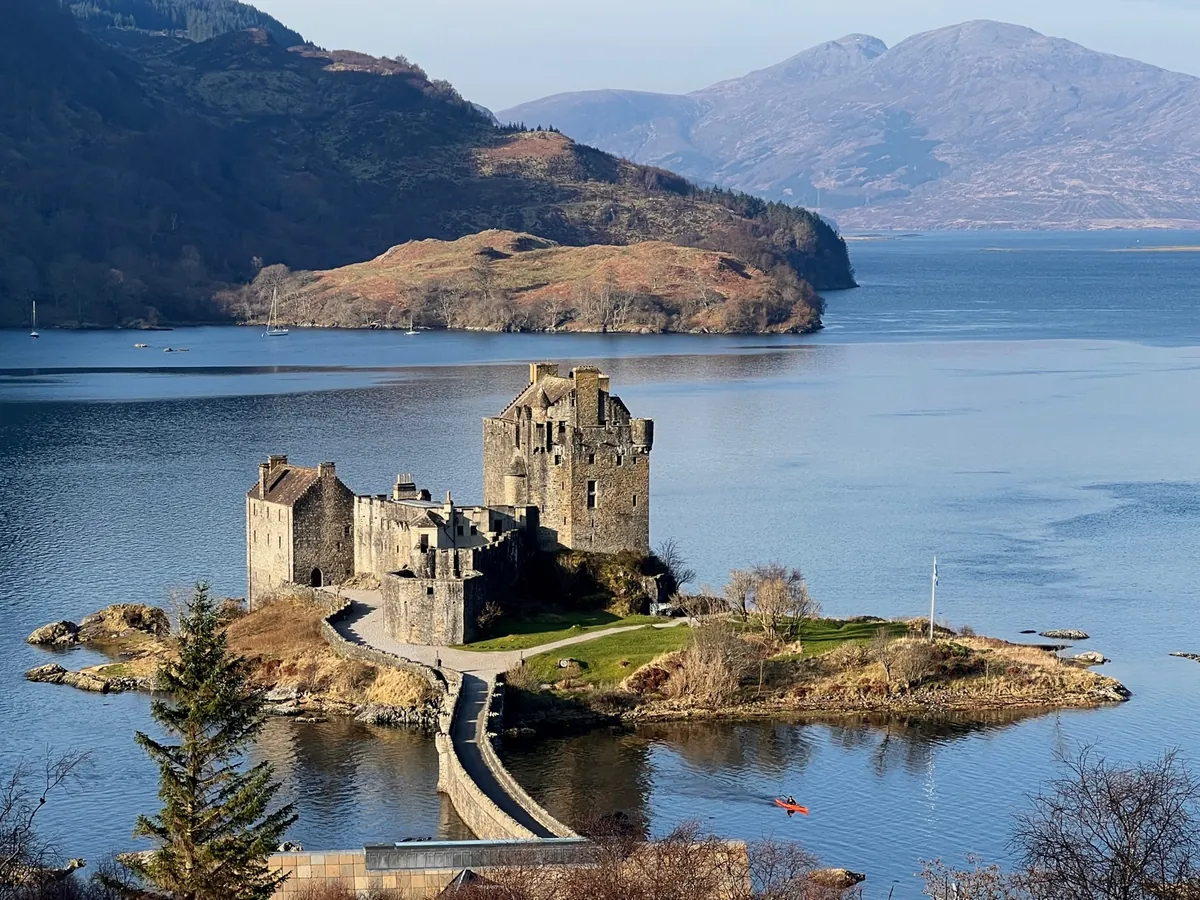
The castle attracts approximately 550,000 visitors annually. It’s one of the most photographed and economically important heritage sites in the Highlands. Adult admission is more accessible at £12.00 per ticket.
4. Balmoral Castle (Aberdeenshire)
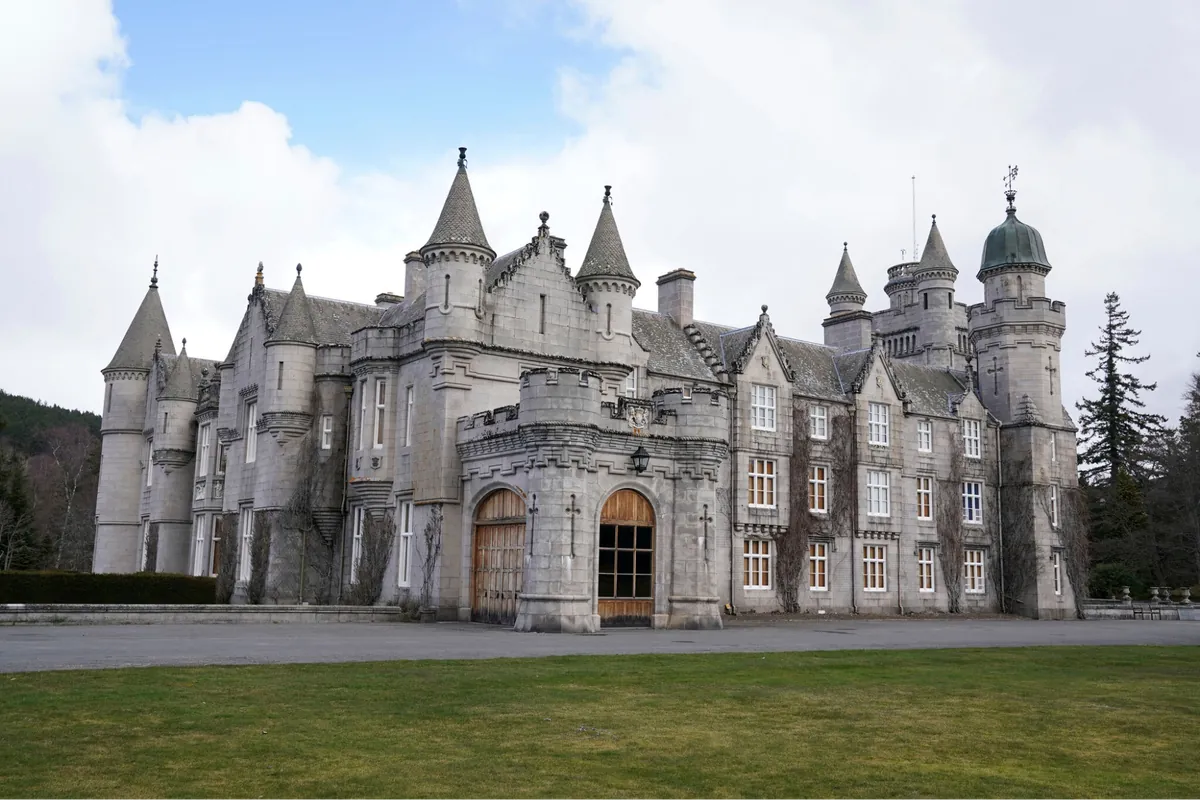
Public access is seasonal and limited. General admission to the grounds is free, though parking fees apply. The estate supports the local economy through tourism, retail, hospitality, and estate operations rather than ticketed castle entry.
5. Glamis Castle (Angus)
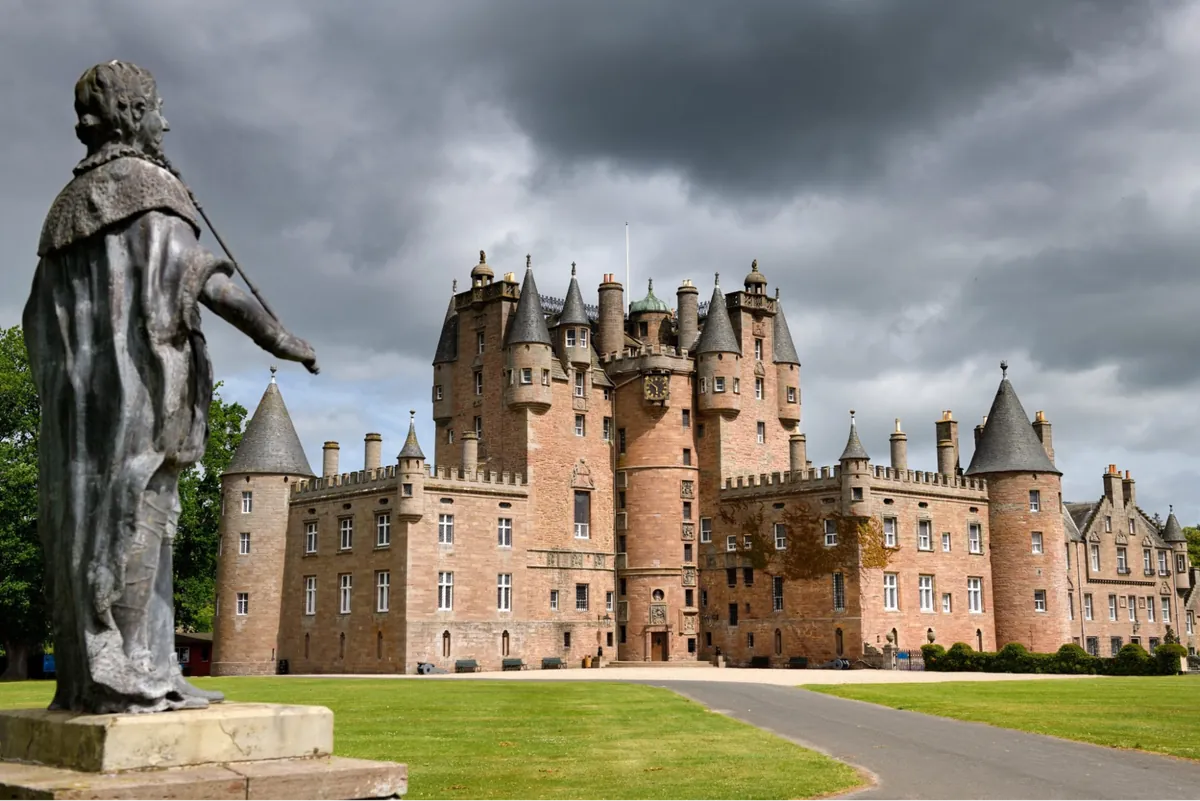
The estate operates as a major visitor attraction in Angus. Adult admission for a guided castle tour and grounds access is £19.50, with tours included in the ticket price.
Medieval Scottish Castles
Widespread castle construction began in the 12th century under King David I. He introduced a feudal landholding system and invited Norman and French nobles to build fortifications. The earliest castles took the form of motte-and-bailey structures, built around a raised earth mound topped by a timber tower and enclosed by a lower defensive court.
Stone replaced timber as the dominant building material during the 13th century. Builders moved toward enclosure castles, defined by high curtain walls protecting interior halls, kitchens, and service buildings. Castle Sween and Castle Tioram illustrate this transition and are among the earliest surviving stone fortifications in Scotland.
From the 14th century onward, the tower house became the most common form of noble residence. Approximately 800 of these tall stone buildings were constructed between the 14th and 17th centuries. Their designs were both for defense and residential use, and relied on thick walls, narrow openings, and vertical plans to resist small-scale raiding rather than prolonged siege warfare. In the Borders, this model produced smaller regional variants known as peel towers, adapted to persistent cross-border conflict.
Abandoned Castles in Scotland
Many Scottish castles fell out of use through direct military action or abrupt political change. Old Castle Lachlan fell into ruin after government shelling in 1746, following the Battle of Culloden. The owning clan abandoned the damaged structure and relocated to a newly built residence nearby.
Political forfeiture also played a defining role. Edzell Castle declined after the Earl of Panmure lost his lands for supporting the 1715 Jacobite Rebellion. Subsequent owners lacked the capital required to maintain the complex. Old Slains Castle suffered a more deliberate end: King James VI ordered its destruction with gunpowder in 1594, which left only two standing walls.
Economic pressure became the dominant factor in later periods. Dunalastair House was abandoned after the First World War when its owners could no longer support the staffing and upkeep demanded by a large country house. Lennox Castle followed a different path. It shifted from private residence to hospital use in 1936, before a fire in 2008 caused severe structural damage. Buchanan Castle was deliberately de-roofed in 1954, a common practice intended to avoid property taxes on unoccupied buildings.
Castles for Sale in Scotland
Scottish castles hit the market rarely. Conditions vary. Some sellers offer ruins to fix, while others sell homes ready to inhabit. Affordable sites list near £130,000 but demand large sums to repair. Yet, restored estates fetch over £5 million.
The market rewards those who take risks. A Scottish castle recently went up for sale for £750,000, but considering that market prices are above that figure, a buyer who restores it could put up an asking price that’s twice the initial figure. In southwest Scotland, a 400-year-old Scottish went up for sale for £100k. Considering the castle was a location in different films, the next owner could recoup the investment by offering it as a shoot setting.
So, buyers can expect huge returns when they restore a damaged structure. This potential draws investors to the Highlands.
Biggest Castle in Scotland
The definition of Scotland’s “biggest” castle varies by measurement. Scale can refer to footprint, internal volume, room count, or landholdings, and each produces a different result.
Edinburgh Castle is the largest castle in Scotland by structure size and overall volume. Its fortified enclosure contains multiple independent buildings, including St Margaret’s Chapel and the Great Hall, and functions more as a fortified complex than a single residence.
Floors Castle is the largest permanently inhabited castle in the country. The Duke of Roxburghe and his family reside in this estate year-round. Balmoral Castle is the biggest by land ownership, with an estate extending to approximately 50,000 acres or more than 20,000 hectares.
Dunrobin Castle is the castle with the most rooms and contains 189 rooms. This makes it one of the largest houses in the Northern Highlands. Drumlanrig Castle follows, with 120 rooms and 17 turrets constructed in red sandstone. Inveraray Castle serves as a major 18th-century example of massive residential scale in Argyll.
Castle Tourism in Scotland
Castle tourism is a major component of Scotland’s heritage economy and attracts well over 5 million visitors each year. Edinburgh Castle leads by a wide margin, with annual visitors exceeding 2 million.
But some castles further away from the big cities also draw numbers. Doune Castle starred as Winterfell in Game of Thrones, and Castle Leoch shows up in Outlander. These screen spots pull thousands of fans to the site each year. History buffs also tour the grounds where Robert the Bruce fought to free the nation. Stirling Castle hosts actors who recreate these medieval battles for crowds. Beyond the drama, the rugged cliffs and stone towers offer perfect shots for photographers. The sheer size of the landscape is just as interesting as the history.
Explore More Castles in Europe
Buyers who admire the rugged towers of Scotland often seek similar forts in Ireland and England. These regions house stone structures that match the Scottish style. We track the best heritage homes available across the continent. Join our list to receive alerts when fresh sites hit the market.