
Castles in England
Castles in England can be purchased from around £500,000. The most visited English castles include Windsor Castle, the Tower of London, and Warwick Castle.
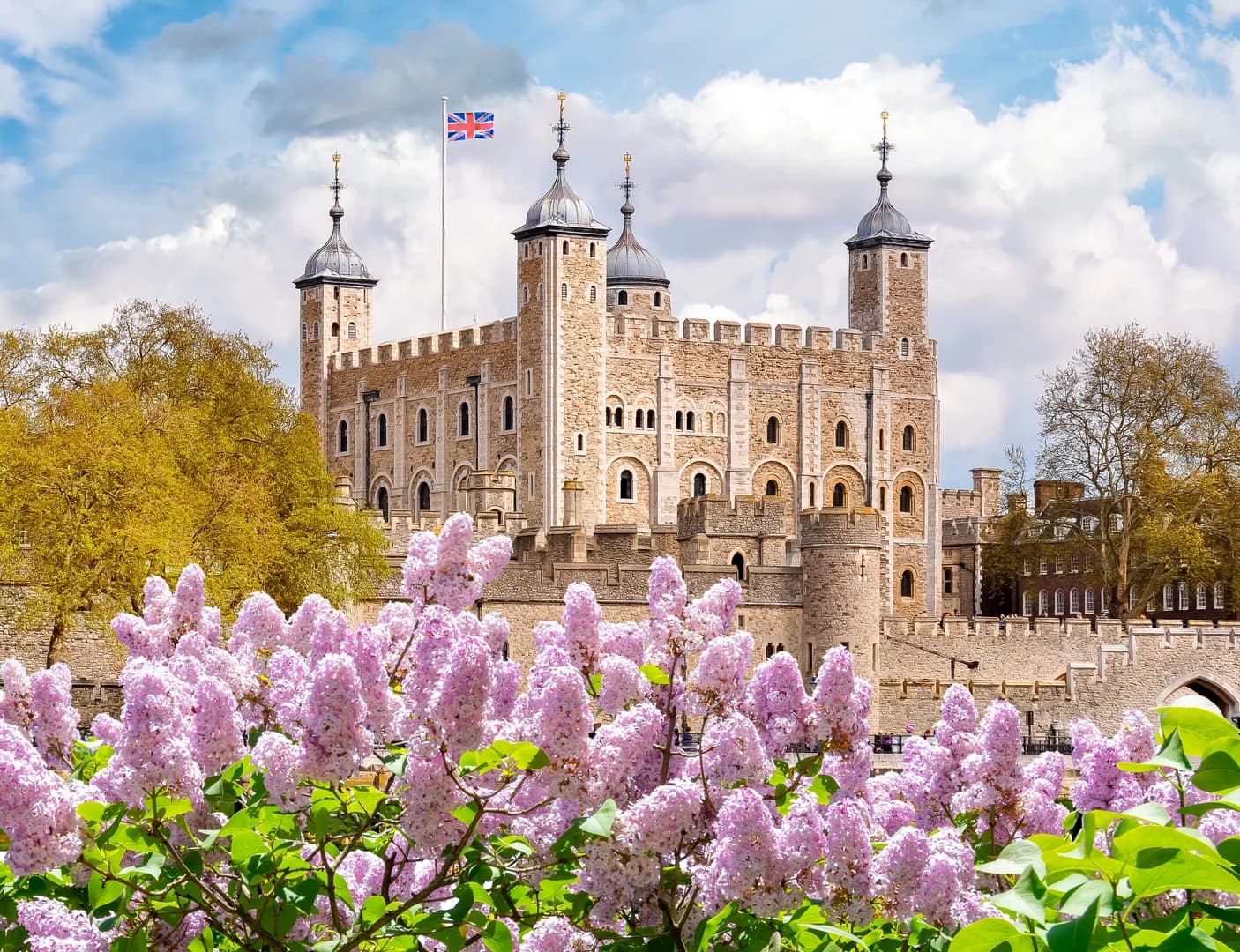
England’s history of building castles starts with a hostile takeover. The Normans invaded in 1066 and needed to secure their win. A small force of 10,000 Normans had to rule over 2 million distraught locals. They built castles at high speed to crush dissent. Builders placed these towers on top of old Roman ruins to prove they now owned the past. The Normans did a bit more than start building castles, since they also built some vocabulary regarding these stone buildings. The English word "castle" is derived from the Norman French word castel, which itself comes from the Latin castellum (meaning a fortified village or camp).
Kings used these sites as weapons of control. Henry II lined the coast with forts to stop new fleets. Similarly, in Wales, Edward I built a "Ring of Iron" to subdue the borders. These castles served as power centers. They let the monarch watch the roads and tax the people.
You can still see this history in the countryside. England retains hundreds of intact keeps. Other sites survive as grassy mounds where timber motte-and-bailey forts once stood.
This guide answers key questions about castles in England, including their historical development, architectural evolution, distribution, and contemporary role within heritage and private ownership frameworks.
How Many Castles Are in England?
England has more than 1,500 recorded castle sites, although the precise total depends on how a castle is defined. The Castellarium Anglicanum, an index published in 1983, identifies over 1,500 sites, a figure that remains the most widely cited academic baseline. Larger studies have found more than 4,000 sites, but this number often includes old hillforts and earthworks that are no longer in place. Other experts estimate that 900 structures remain intact, but these survivors range from roofless shells to inhabited homes.
Oldest Castles in England
There is no single, agreed designation for the oldest castle in England. The earliest castles date to the years immediately following the Norman Conquest, when fortified sites were introduced rapidly and frequently replaced or rebuilt within a short period.
Historical and archaeological evidence identifies several sites from the immediate post-conquest period:
Berkhamsted Castle: This site was likely founded in 1067 by Robert of Mortain, the half-brother of William the Conqueror. While originally a timber structure, most of the surviving fabric dates to the 12th and 13th centuries.
Norwich Castle: Established in 1067 to control the region of East Anglia, this castle appears as one of 48 sites mentioned in the Domesday Book of 1086. Archaeologists discovered the castle was built over an Anglo-Saxon cemetery.
Warwick Castle: Originally constructed as a wooden fort in 1068 by order of William the Conqueror, the site was rebuilt in stone during the 12th century.
Lincoln Castle: This fortress was built in 1068 on the site of an earlier Roman fortress. It is one of only two castles in England with two mottes, the other being Lewes Castle.
Richmond Castle: Founded in 1071, this site preserves more 11th-century architecture than any other castle in England.
Dover Castle: While the site reached its peak scale under Henry II in the 12th century, it was founded by William the Conqueror during his initial campaign in the 11th century.
Famous Castles in England
English castles are some of the most visited heritage sites globally. These properties serve as royal residences, military museums, or private estates with high cultural visibility.
1. Tower of London (London)
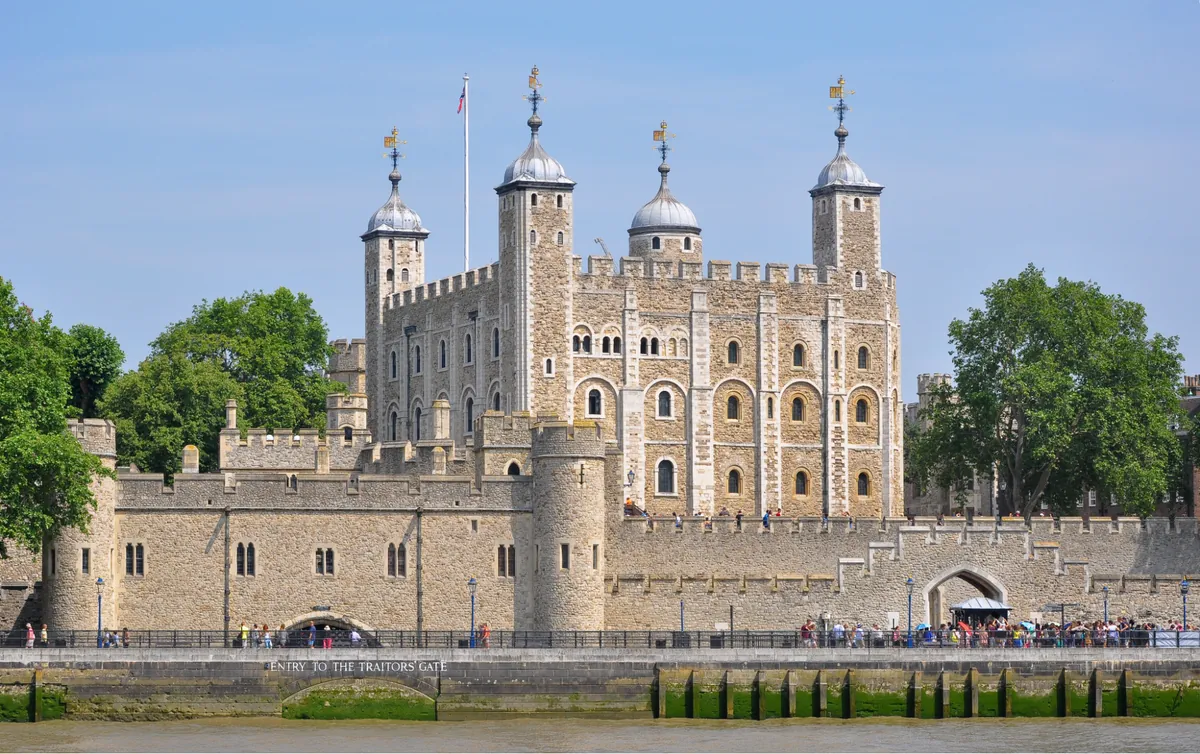
The
Tower of Londonis a fortified royal complex that has served as a palace, treasury, armory, and prison since the late 11th century. Its core structure, the White Tower, was completed under William the Conqueror and is one of the most complete Norman keeps in Europe.
In 2024, it recorded 2.9 million visitors, the highest attendance for any paid heritage attraction in England. Standard adult admission tickets are typically priced in the £30-£35 range, with concessions and family tickets available.
2. Windsor Castle (Berkshire)
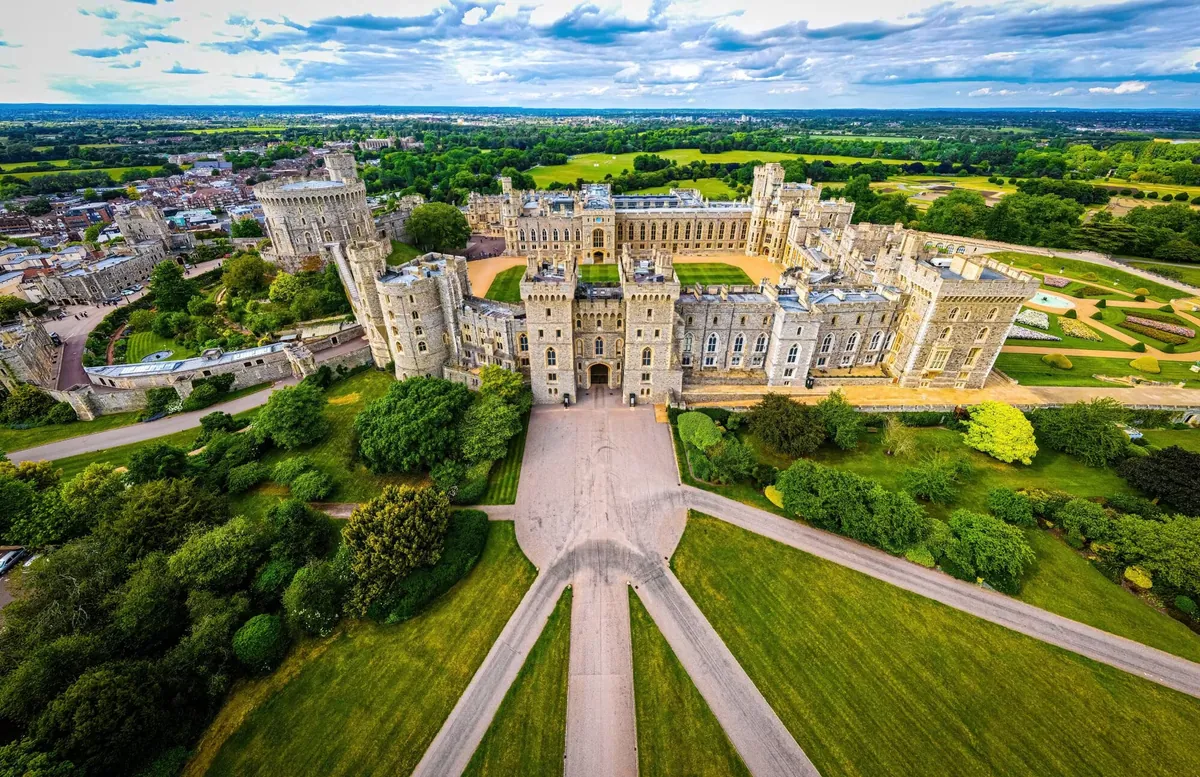
Located in Berkshire,
Windsor Castleis the oldest and largest inhabited castle in the world. It has been a residence for the British Royal Family for over 900 years. The site features St George’s Chapel and serves as the official residence for the monarch. Last year, the castle welcomed
1.4 millionpaid visitors.
Adult ticket prices are generally £28-£32, subject to seasonal access and state apartment availability. Visitors can tour the State Apartments, St George’s Chapel, ceremonial rooms, and castle precincts when the site is open to the public.
3. Warwick Castle (Warwickshire)
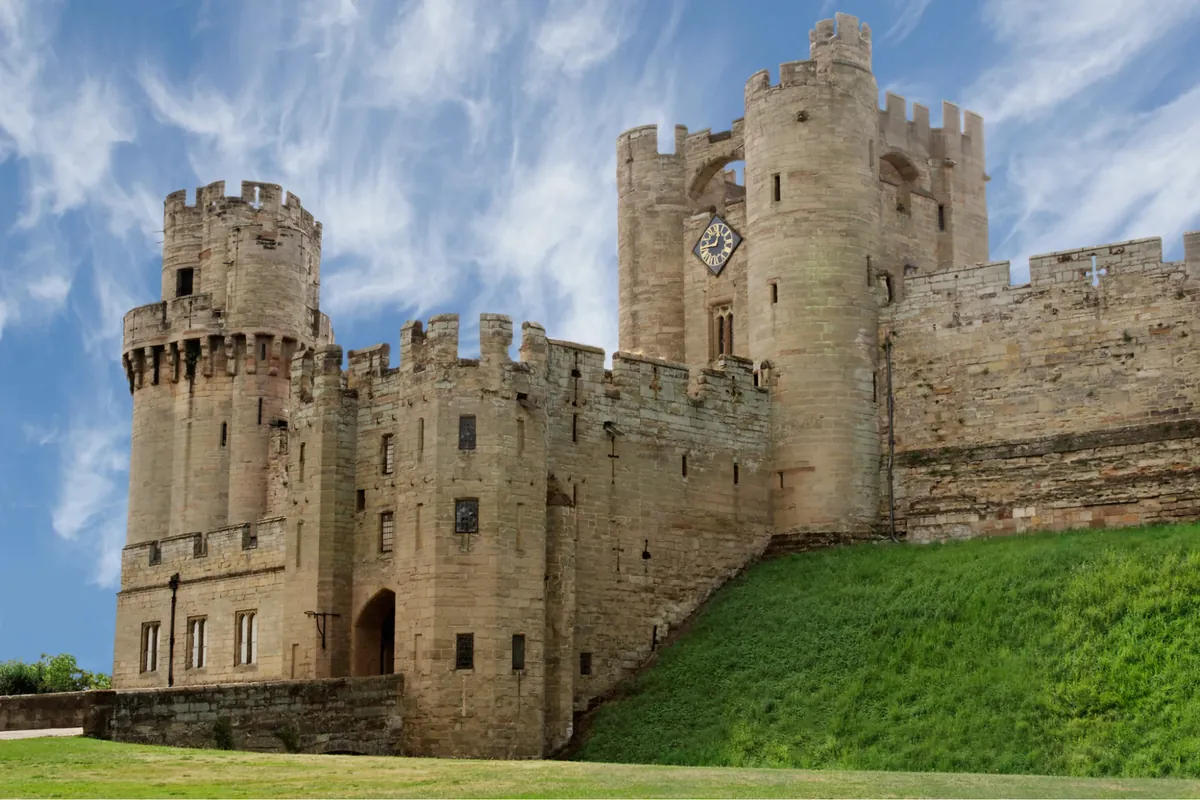
transitioned from a Norman military stronghold to a later aristocratic residence. After 374 years of ownership by the Greville family, the property was sold in 1978 to the Tussauds Group for £1.3 million and is now operated by Merlin Entertainments as a large-scale heritage attraction.
In 2024, Warwick attracted approximately 750,000 visitors, which makes it one of the most commercially successful privately operated castles in England. Adult admission prices are typically positioned in the £30-£40 bracket, with dynamic pricing and advance booking discounts common.
4. Arundel Castle (West Sussex)
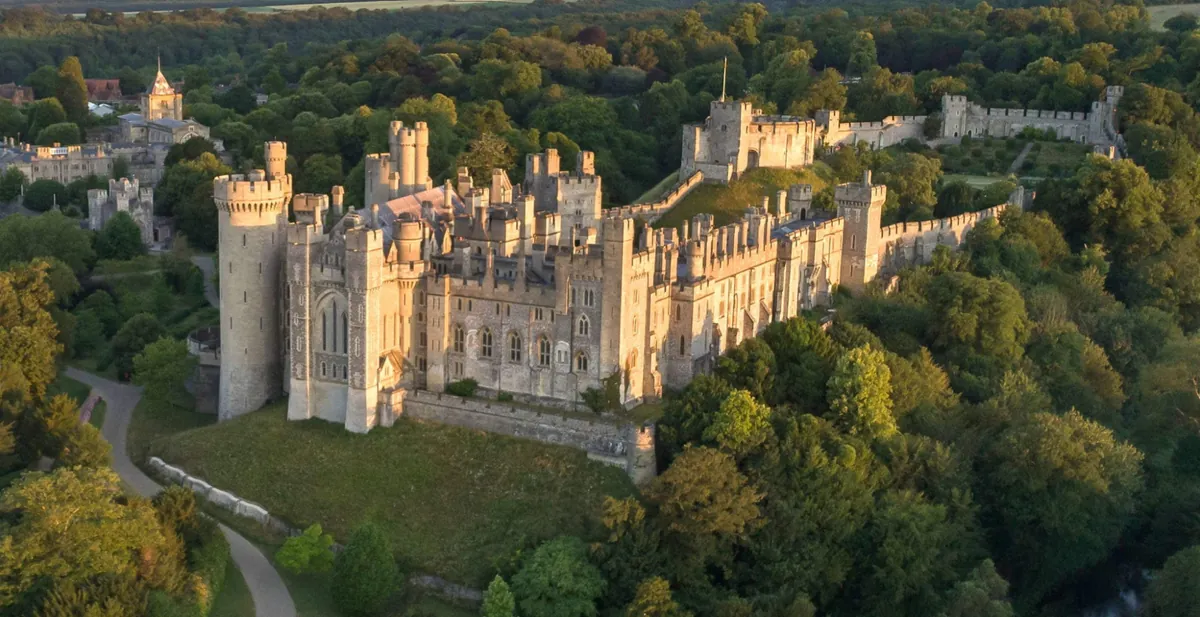
This
site, located in Sussex, has served as the seat of the Dukes of Norfolk for more than 850 years. Although extensively remodeled in the late 19th and early 20th centuries, the castle retains substantial medieval fabric and is one of the longest continuously occupied noble residences in England.
The castle received approximately 180,000 visitors in 2024. Standard adult tickets are generally priced at £25-£30, subject to access to interiors and gardens.
5. Alnwick Castle (Northumberland)
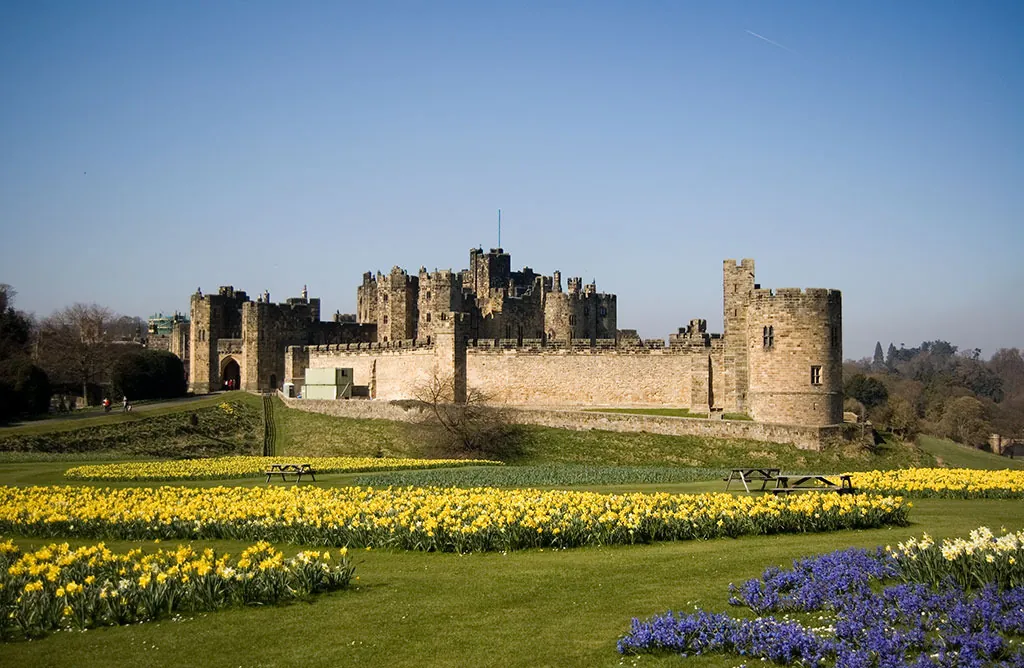
This Northumberland
fortressis the second-largest inhabited castle in England. It has been the seat of the Percy family for centuries and gained international recognition as a filming location for the
Harry Potterseries.
In 2024, the castle recorded approximately 264,000 visitors. Adult admission tickets typically fall between £20 and £25, with seasonal pricing and family options available. Visitors can access state rooms, defensive walls, exhibitions, and themed experiences linked to the castle’s film history.
Castles for Sale in England
The UK (and thus English) castle market is a specialized segment of the luxury real estate sector. Approximately 50 to 80 castles change hands annually. The rules and regulations for acquisition are very different from those for regular residential property. But collectors can indeed access castles that are historically significant and not just access castellated properties.
For example, the 900-year-old Appleby Castle in Cumbia, a Norman castle, recently went up for sale for £5.5 million (even though it was originally set to go for up to £10 million; this cutback is a clear indication of how castle prices fluctuate and are dictated by the market’s demand). It was once held by English kings including Henry II, Richard I the Lionheart and Richard III. Ripley Castle, a castle in North Yorkshire, in northern England, was also listed for sale and was allegedly eyed by Donald Trump. This property was listed for more than £20 million.
[Insert Property Slider Here]
Biggest Castles in England
The biggest castle in England is Windsor Castle, and it’s also the largest inhabited castle in the world.
Alnwick Castle follows as the second-largest inhabited castle in the country, with extensive residential accommodation that has survived in continuous use. Dover Castle is frequently cited as the largest English castle by total extent, due to the scale of its defenses and the area enclosed within its outer works. The site includes a substantial stone keep and an extensive system of tunnels constructed for military use during the Napoleonic Wars and later adapted during the Second World War.
Highclere Castle occupies a more ambiguous position within this category. Although generally classified as a country house rather than a defensive castle, the present building contains approximately 300 rooms and ranks among the largest historic residences in England.
Medieval English Castles
The medieval era was the peak period for military castle construction. These structures were designed to resist sieges and provide territorial control. Early Norman designs used the motte-and-bailey plan, which featured a timber fort on an artificial mound and favored speed of construction and visual dominance over permanence. By the 12th century, wealthy nobles transitioned to stone keeps that demonstrated enduring strength and prestige.
Henry II shaped Dover Castle to project power. He added double walls to stop attackers. Later owners favored luxury. Bodiam Castle resembles a fortress but serves as a palace. Sir Edward Dalyngrigge erected it in 1385 with grand suites to impress guests rather than repel armies. Bamburgh Castle in Northumberland is so well-preserved it has featured in two different Macbeth films.
Castle Tourism in England
Travelers spend £76 billion across England each year. Families fuel this demand. English Heritage welcomed 550,000 families in 2023, which broke all previous records. The market expands every season. Historic sites saw traffic jump by 3.1% recently. National leaders aim to attract 50 million international guests by 2030. This target suggests the industry will surge over the next decade.
Most savvy travelers arrive in May or September. You dodge the summer crowds while the weather holds. To see the densest chain of coastal forts, drive the Northumberland Coastal Route. This path links the massive walls of Bamburgh Castle with the cliffside ruins of Dunstanburgh.
England also lets guests live the history. Warwick Castle stages full medieval jousts where knights clash for crowds. Those who seek luxury sleep at Thornbury Castle. Henry VIII stayed in these very rooms with Anne Boleyn.
For a darker tradition, the Tower of London performs the Ceremony of the Keys. Yeoman Warders have locked the gates with this ritual every night for 700 years. Families find space to roam at Leeds Castle. Children solve riddles in the spiraling yew maze while parents tour the moat.
Explore More Castles in Europe
Buyers often look beyond England. Wales shares the strongest historical roots. Scotland features unique tower houses. We track these markets to find the best heritage homes across Europe.
Join our mailing list, and you’ll receive updates whenever a castle enters the market.